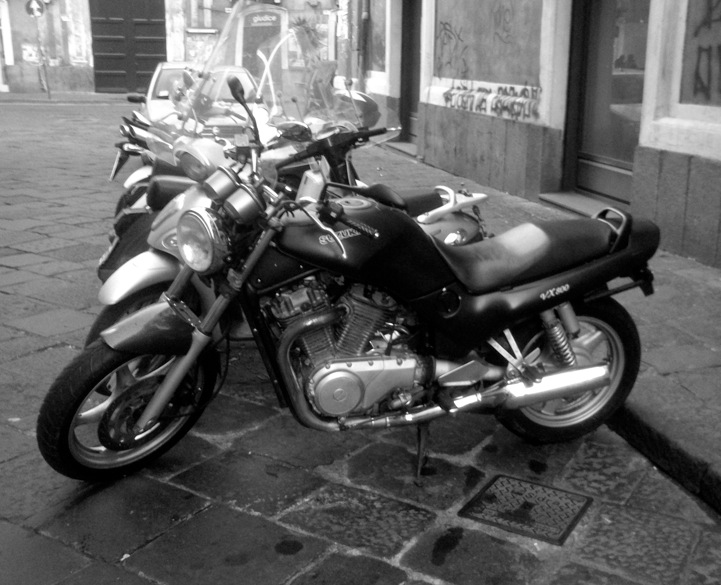
Suzuki VX 800
Suzuki VX 800 – The Forgotten V-Twin Roadster
The Suzuki VX 800 remains one of the most distinctive and underrated motorcycles of the late 1980s and early 1990s. With its unique blend of cruiser torque and naked roadster aesthetics, the VX 800 was an anomaly in a market flooded with either full-fledged sportbikes or laid-back cruisers. Though it never achieved commercial success, the VX 800 cultivated a loyal fanbase and continues to intrigue motorcycle enthusiasts decades after its production ceased.
Introduction and Background
Launched in 1989, the Suzuki VX 800 was designed to straddle two motorcycle segments: the mid-weight cruiser and the sport-tourer. Produced until 1997, it was mainly targeted at the European and North American markets. Its primary competition came from bikes like the Yamaha TDM 850, Kawasaki ZR-7, and Honda NTV650, but the VX 800 stood out thanks to its shaft drive, V-twin configuration, and long-legged ergonomics.
Engine and Powertrain
At the heart of the VX 800 lies a 805cc liquid-cooled, four-stroke, 45-degree V-twin engine. The engine is derived from the Intruder 750 cruiser, but re-tuned for better midrange and road-going performance.
Engine Specifications:
- Engine type: 805cc, 4-stroke, 45-degree V-twin
- Bore x Stroke: 83.0 mm x 74.4 mm
- Compression ratio: 10.0:1
- Fuel system: Dual Mikuni BDS36 carburetors
- Cooling system: Liquid-cooled
- Valve configuration: SOHC, 3 valves per cylinder (2 intake, 1 exhaust)
- Ignition: Electronic Transistorized Ignition (CDI)
- Maximum power: ~63 hp (47 kW) @ 7,500 rpm
- Maximum torque: 72 Nm @ 6,500 rpm
- Redline: 8,000 rpm
The engine delivers a broad spread of torque, making it well-suited for both city commuting and long-distance cruising. Power delivery is linear, and the V-twin thrum gives it a distinctive character compared to inline-four competitors.
Transmission and Final Drive
The VX 800 uses a 5-speed gearbox mated to a shaft drive, a relatively rare feature in this segment. Shaft drives are favored for their cleanliness and low maintenance, and while they can add weight and slightly reduce efficiency, Suzuki engineered the unit to be as compact and unobtrusive as possible.
Drivetrain Specifications:
- Transmission: 5-speed manual
- Clutch: Wet multi-plate
- Final drive: Shaft
- Gear ratios: Wide-spaced for better touring performance
The combination of a V-twin engine with a shaft drive and standard bike ergonomics was, at the time, quite unconventional, which perhaps contributed to its niche appeal.
Chassis and Suspension
The VX 800’s frame is a steel double cradle, designed for rigidity without sacrificing ride comfort. With a relatively long wheelbase and relaxed steering geometry, the bike offers a smooth, composed ride suitable for both highway cruising and winding back roads.
Chassis Specifications:
- Frame type: Tubular steel double-cradle
- Front suspension: Telescopic fork, 41 mm, non-adjustable
- Rear suspension: Dual shocks with adjustable preload
- Front travel: ~150 mm
- Rear travel: ~110 mm
- Front brake: Single 296 mm disc, 2-piston caliper
- Rear brake: Drum (in U.S. models) or 250 mm disc (in European models)
- Front tire: 110/80-18
- Rear tire: 150/70-17
Though it lacked adjustable suspension, the stock setup was considered well-balanced for its time. The long wheelbase (1,565 mm) and generous rake/trail made the VX 800 incredibly stable at speed, if slightly sluggish in tight corners.
Dimensions and Weight
For a mid-weight machine, the VX 800 leans more toward the heavier side, owing to the shaft drive and robust frame.
Physical Specifications:
- Length: 2,220 mm
- Width: 790 mm
- Height: 1,130 mm
- Wheelbase: 1,565 mm
- Seat height: 775 mm
- Wet weight: ~245 kg (540 lbs)
- Fuel capacity: 19 liters (5.0 US gal)
- Oil capacity: 3.5 liters
The low seat height and narrow waist make the bike manageable even for shorter riders, while the substantial fuel tank offers excellent touring range—over 300 km (180+ miles) on a full tank, depending on riding conditions.
Ergonomics and Ride Quality
The upright handlebars, slightly rear-set footpegs, and generously padded seat make the VX 800 a surprisingly comfortable bike for longer journeys. It’s not a pure tourer, but it’s certainly not a cramped sportbike either. Wind protection is minimal due to its naked design, though aftermarket windscreens were a popular upgrade.
The engine’s broad torque curve means less shifting is required, especially useful when riding in urban environments or tackling hilly terrain. Vibration is well-damped thanks to counterbalancers, although some typical V-twin rumble does make it to the pegs and bars—enhancing the bike’s character without being fatiguing.
Model Variants and Regional Differences
The VX 800 was available in slightly different trims depending on the market. The European models often came with rear disc brakes and different handlebar configurations, while U.S. versions generally used a rear drum brake. Cosmetic differences such as paint schemes and instrument cluster layouts also varied.
Notably, the U.S. market models were only sold from 1990 to 1993, after which poor sales led Suzuki to discontinue the model in North America. European markets continued until 1997 with modest updates and improved reliability.
Legacy and Aftermarket
The VX 800 didn’t sell well, which paradoxically makes it a sought-after cult classic today. Its unique engineering, understated aesthetics, and bulletproof reliability have earned it a quiet but enduring following. There’s a modest aftermarket for the bike, with parts shared from the Intruder 750/800 and some Bandit models.
Owners often upgrade the suspension, exhaust system (to unleash a deeper V-twin growl), and brake components. Some convert the bike into café racers or brats, although purists prefer to preserve its rare OEM form.
Conclusion
The Suzuki VX 800 is a testament to Suzuki’s willingness to experiment with hybrid designs and innovative engineering. It doesn’t scream for attention, but once you ride it, you understand its charm—smooth, torquey, dependable, and just a bit quirky. It may never have achieved commercial stardom, but for those who own and ride one, the VX 800 is a roadster worth remembering.
Whether you’re a collector, a weekend rider, or a vintage V-twin enthusiast, the VX 800 offers something unique in a world often dominated by formulaic motorcycle categories. It’s a bridge between cruiser comfort and standard-bike practicality—something that still feels fresh, even decades after its debut.
