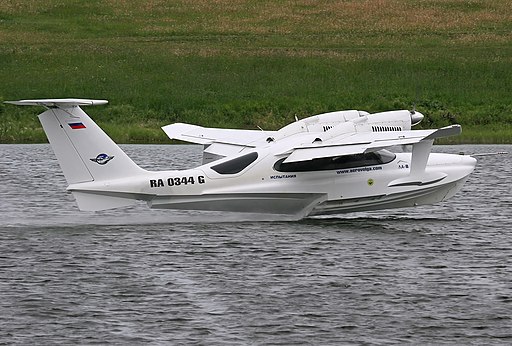
AeroVolga LA-8
AeroVolga LA-8 stands out as an innovative solution in the world of light, amphibious aviation. This aircraft represents a fusion of modern composite technology, aerodynamic efficiency, and versatile performance that caters to both recreational pilots and professional operators looking for an aircraft capable of operating from water and land. The LA-8 is a testament to thoughtful design, engineering ingenuity, and the ongoing evolution of small-scale aircraft technology.
Introduction
The AeroVolga LA-8 was conceived with the goal of delivering a reliable, high-performance amphibious aircraft that could excel in diverse environments. In an era where versatility and efficiency are paramount, the LA-8 provides operators with the flexibility to navigate both traditional runways and open water, expanding the horizons of light aviation. From scenic recreational flights to practical applications in remote or coastal regions, the aircraft’s design focuses on providing comfort, safety, and economic operation.
Historical Context and Design Philosophy
AeroVolga, known for its commitment to innovative aviation solutions, developed the LA-8 as part of its strategy to blend traditional aircraft concepts with modern materials and technology. The design philosophy centers on three primary principles:
- Versatility: The aircraft is engineered to perform seamlessly on both land and water, making it an ideal choice for areas where access to conventional runways is limited.
- Efficiency: Emphasis is placed on fuel economy and low operating costs without compromising on performance. Lightweight composite structures and optimized aerodynamics help achieve these goals.
- Safety and Reliability: Redundant systems, robust design, and advanced avionics are integrated to ensure that the LA-8 meets stringent safety standards while delivering dependable performance over extended missions.
Technical Specifications and Design Parameters
Dimensions and Structural Design
- Wingspan and Length: The LA-8 features a wingspan of approximately 11 meters (36 feet) and a fuselage length in the vicinity of 8 meters (26 feet). These dimensions are carefully balanced to provide sufficient lift and stability while keeping the aircraft agile.
- Wing Configuration: A high-wing design maximizes visibility and contributes to enhanced stability during water operations. The wing incorporates a moderate dihedral angle, which aids in handling and minimizes adverse aerodynamic effects during banked turns.
- Wing Area: With an estimated wing area of around 16–18 square meters, the LA-8 achieves a favorable lift-to-drag ratio, essential for efficient cruise performance and low-speed handling.
- Materials: The structure is built primarily from advanced composite materials such as fiberglass and carbon fiber. These materials offer high strength-to-weight ratios, corrosion resistance (a key factor in amphibious operations), and improved fatigue life, ensuring long-term durability.
Weight and Balance
- Empty Weight and Maximum Takeoff Weight (MTOW): The LA-8 is designed with a focus on weight reduction. An empty weight in the range of 750 kilograms (1,650 pounds) combined with an MTOW of approximately 1,200 kilograms (2,645 pounds) allows for ample payload while maintaining excellent performance.
- Center of Gravity: Critical attention is paid to the aircraft’s center of gravity, ensuring that the distribution of weight between the engine, fuel, passengers, and cargo is optimized for both stability and maneuverability during water and land operations.
Powerplant and Propulsion
- Engine Choice: The AeroVolga LA-8 is typically powered by a high-efficiency, four-stroke engine such as the Rotax 912 series. This engine, delivering roughly 100 horsepower, is well-regarded for its reliability, low fuel consumption, and ease of maintenance.
- Propeller: A three-blade, composite propeller is commonly paired with the engine, offering enhanced thrust efficiency and reduced vibration. The propeller’s design is optimized for both water takeoff performance and smooth, low-noise operation during cruise.
- Fuel System: With a fuel capacity that typically ranges between 70 and 90 liters, the LA-8 offers a balance between range and weight, supporting flights of moderate distance while maintaining quick refueling turnaround.
Performance Characteristics
- Cruise Speed and Climb Rate: The aircraft can achieve a cruise speed of approximately 160–180 km/h (100–112 mph) under optimal conditions. Its power-to-weight ratio, combined with aerodynamic efficiency, ensures a respectable climb rate, essential for short-field operations and rapid altitude gains.
- Range and Endurance: Thanks to its fuel-efficient engine and streamlined design, the LA-8 can cover distances of up to 800–1,000 kilometers (500–620 miles) under standard operating conditions. This extended range is particularly advantageous for missions in regions with dispersed water bodies or isolated airstrips.
- Short Takeoff and Landing (STOL) Capability: A hallmark of the LA-8 is its STOL performance. The amphibious design, combined with effective high-lift devices on the wing, allows the aircraft to take off and land in short distances, whether from water surfaces or compact runways.
Avionics and Flight Systems
- Cockpit and Instrumentation: The LA-8’s cockpit is designed with modern avionics that provide essential flight data and situational awareness. A glass cockpit, featuring integrated GPS, digital engine monitors, and communication systems, simplifies operations while enhancing safety.
- Control Systems: The aircraft is equipped with a fly-by-wire or conventional control system (depending on the configuration) that incorporates redundancy and backup mechanisms, ensuring smooth handling across all flight regimes.
- Navigation and Safety Equipment: Advanced navigation systems, including autopilot and terrain awareness, are standard in the LA-8, along with emergency systems such as a ballistic parachute option, contributing to overall flight safety in challenging environments.
Aerodynamic and Hydrodynamic Considerations
The dual-mode operation of the LA-8 requires careful aerodynamic and hydrodynamic design integration. Engineers addressed several key challenges:
- Aerodynamic Optimization: The wing’s airfoil is designed to deliver high lift at low speeds, crucial for water takeoffs and landings. The overall aerodynamic profile minimizes drag during cruise, contributing to fuel efficiency.
- Hydrodynamic Hull Design: The fuselage is shaped to perform effectively in water, reducing resistance during takeoff runs and ensuring stability on the water’s surface. The hull’s design incorporates a combination of smooth curves and reinforced structural points to withstand the unique stresses encountered during amphibious operations.
- Integrated Control Surfaces: Both aerodynamic and hydrodynamic control surfaces are integrated seamlessly into the design. This integration allows the aircraft to transition smoothly between air and water operations without compromising handling characteristics.
Operational Versatility and Applications
The AeroVolga LA-8’s design lends itself to a broad range of applications:
- Recreational Aviation: Its ease of operation and versatile performance make the LA-8 a popular choice among sport pilots and aviation enthusiasts who value the freedom to explore diverse environments.
- Utility Missions: In remote or coastal areas, the aircraft’s ability to land on water and short runways opens up opportunities for search and rescue operations, environmental monitoring, and logistical support.
- Training and Education: The simplicity and reliability of the LA-8 make it an excellent platform for pilot training, especially in multi-environment operations, where transitioning between water and land flight introduces valuable skills.
Engineering Challenges and Innovations
Designing an amphibious aircraft like the LA-8 is inherently complex. The development process required overcoming several technical challenges:
- Weight Management: Achieving a lightweight structure without compromising durability was a central challenge. Advanced composite materials and innovative structural engineering techniques were employed to strike the right balance.
- Corrosion Resistance: Operating in a marine environment demands high resistance to corrosion. Special coatings and corrosion-resistant alloys were applied to critical components to ensure longevity.
- Hydrodynamic Integration: The transition between water and air presents unique aerodynamic challenges. Engineers developed specialized hull designs and retractable or adjustable control surfaces to ensure optimal performance in both domains.
- Energy Efficiency: Maintaining fuel efficiency while providing robust performance in diverse operating conditions required precise tuning of engine performance, propeller dynamics, and aerodynamic features.
Legacy and Future Directions
The AeroVolga LA-8 represents a significant milestone in amphibious aviation. Its blend of efficiency, versatility, and modern design principles has influenced subsequent developments in light aircraft engineering. Looking ahead, the lessons learned from the LA-8 continue to shape future projects, with ongoing research focusing on:
- Next-Generation Materials: Exploration of even lighter and stronger materials to further reduce weight and enhance performance.
- Hybrid Power Solutions: Integration of hybrid propulsion systems that combine traditional engines with electric or alternative power sources to improve efficiency and reduce environmental impact.
- Enhanced Avionics: Continuous improvements in digital flight management and safety systems to further simplify operations and increase reliability.
Conclusion
The AeroVolga LA-8 stands as a compelling example of how modern engineering can bridge the gap between versatility and efficiency. Its technical parameters—ranging from an optimized high-wing design and composite construction to a reliable powerplant and advanced avionics—demonstrate a thoughtful approach to meeting the diverse demands of amphibious flight. As aviation continues to evolve towards more sustainable and flexible solutions, the LA-8’s innovative design and operational versatility provide a roadmap for future developments in the field of light, amphibious aircraft.
.jpg)