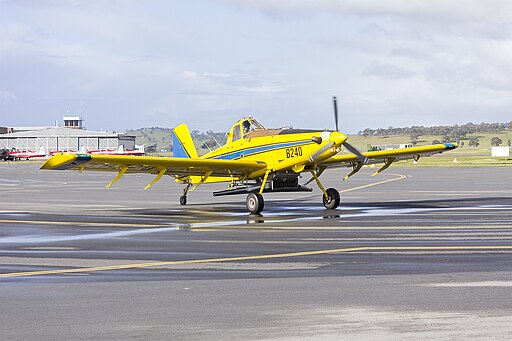
Air Tractor AT-500
The Air Tractor AT-500 represents a new pinnacle in agricultural aviation technology. Building on a legacy of reliability and performance from earlier models, the AT-500 is a purpose-built machine engineered to handle the demanding needs of modern aerial application, crop dusting, and diverse utility missions. With a focus on superior power, extended range, and enhanced safety features, this aircraft is set to redefine operational efficiency in the agricultural sector.
Historical Background and Development
The development of the AT-500 is rooted in decades of continuous innovation by Air Tractor. Drawing on the operational feedback and design philosophies of its predecessors, such as the AT-300 and AT-400, the engineers behind the AT-500 aimed to address both the rigorous challenges of aerial application and the evolving needs of modern farming practices. The journey of the AT-500 began with the ambition to combine increased horsepower, improved aerodynamic performance, and advanced avionics—all while maintaining the rugged durability essential for operations in demanding environments.
Design and Structural Overview
The AT-500 is an engineering marvel, displaying significant design refinements that enhance both its flight performance and ease of operation. Attention to detail is evident from the robust airframe down to the ergonomically designed cockpit, ensuring that every component serves a purpose in optimizing efficiency and safety.
Aerodynamic Profile and Airframe Construction
The aircraft features a high-wing configuration that not only provides optimal visibility for low-altitude operations but also enhances flight stability during precise maneuvering. Advanced composite materials and high-strength aluminum alloys have been utilized in the airframe, reducing weight while ensuring exceptional durability. The streamlined shape minimizes aerodynamic drag and ensures that the AT-500 can perform consistently under the strenuous conditions typical of agricultural missions.
Cockpit Design and Pilot Ergonomics
In the AT-500, pilot comfort meets modern technology. The cockpit is designed with an emphasis on intuitive control and clear instrumentation. A state-of-the-art digital display system, coupled with well-organized analog gauges, provides real-time data on flight dynamics, engine performance, and critical environmental conditions. Ergonomically positioned controls minimize pilot fatigue, enabling long-duration missions and rapid decision-making. The design ensures that operators can focus on the task at hand, with all necessary information at their fingertips.
Technical Specifications and Parameters
The technical parameters of the AT-500 showcase the aircraft’s capability to meet the high expectations of modern agricultural operations. From a powerful engine to an advanced avionics suite, every specification has been calibrated to deliver peak performance in demanding conditions.
Engine and Propulsion System
At the core of the AT-500 lies a modern single turbocharged piston engine, producing an impressive 500 horsepower. This powerplant is supported by an advanced cooling system and precision turbocharging that guarantees optimal performance across varying altitudes. The engine’s robust design ensures that the aircraft can quickly accelerate for short takeoffs, sustain high-speed cruise conditions, and maintain efficiency during prolonged low-altitude operations.
Performance Metrics
The AT-500 is crafted to operate seamlessly across a variety of mission profiles. Key performance metrics include:
- Cruise Speed: Approximately 185 mph (298 km/h)
- Maximum Speed: Up to 200 mph (322 km/h)
- Range: Up to 600 miles (966 km) when fully loaded for aerial application
- Service Ceiling: Approximately 15,000 ft (4,572 m)
- Rate of Climb: Around 1,000 ft/min (5.1 m/s)
These figures reflect the AT-500’s ability to handle rapid transitions between extensive field coverage and the intricacy required during precise application tasks.
Payload, Fuel Efficiency, and Capacity
The AT-500 is purpose-designed to deliver a balanced compromise between payload capacity and fuel efficiency. This model is capable of carrying considerable quantities of agricultural chemicals or fertilizers while maintaining stability and optimal flight performance. Its fuel capacity, often around 240 US gallons, ensures that the aircraft is ready for extended missions, reducing the need for frequent refueling stops. Integrated fuel management systems provide real-time monitoring and adjustments, ensuring that every flight is both cost-effective and operation-friendly.
Avionics and Instrumentation
A standout feature of the AT-500 is its upgraded avionics suite. The cockpit is equipped with modern digital displays, GPS-based navigation, and encrypted communication systems that enable seamless interaction between the aircraft and ground control. Real-time telemetry, coupled with advanced flight management software, aids in stabilizing flight paths in dynamic conditions. The integration of these technologies not only enhances performance accuracy but also plays a crucial role in flight safety, making high-precision operations both feasible and efficient.
Below is a summary table of the AT-500’s key technical parameters:
| Parameter | Value |
|---|---|
| Crew | 1 (Pilot) |
| Length | 27 ft (8.2 m) |
| Wingspan | 42 ft (12.8 m) |
| Height | 11 ft (3.35 m) |
| Empty Weight | Approximately 5,000 lbs (2,268 kg) |
| Maximum Takeoff Weight | Approximately 10,000 lbs (4,536 kg) |
| Engine | Single turbocharged piston (~500 hp) |
| Fuel Capacity | 240 US Gallons |
| Cruise Speed | 185 mph (298 km/h) |
| Maximum Speed | 200 mph (322 km/h) |
| Range | 600 miles (966 km) |
| Service Ceiling | 15,000 ft (4,572 m) |
| Rate of Climb | 1,000 ft/min (5.1 m/s) |
Operational Capabilities and Versatility
The AT-500 is more than just an aerial application tool—it is a versatile platform built to adapt to a variety of operational demands. Its design priorities ensure that whether it is engaged in primary agricultural tasks or supporting secondary roles, the aircraft performs reliably.
Agricultural Applications
Aerial application is the heart of the AT-500’s mission. The enhanced stable flight characteristics, in combination with an extended range and substantial payload capability, make it an asset for crop dusting, fertilizing, and pesticide spraying. The aircraft’s advanced control systems and precision instrumentation ensure minimal overspray and consistent coverage, which are critical for sustainable farming practices. These features help maximize efficiency, reducing both operational downtime and the environmental impact of aerial chemical applications.
Multi-Role Adaptability
In addition to serving agricultural operations, the AT-500 is engineered to be adaptable to other roles. With minor modifications, it can be deployed for firefighting efforts, fitted with specialized retardant tanks and dispersion systems. Environmental monitoring, wildlife management, and even search and rescue operations benefit from the aircraft’s robust performance characteristics and extended endurance. This versatility not only extends the operational life of the asset but also enhances its overall value to a wide range of industries.
Safety and Maintenance
Safety remains at the forefront of the AT-500’s design ethos. The aircraft incorporates multiple redundant systems and safeguards to ensure that every flight meets the highest safety standards. Its design also emphasizes ease of maintenance, making it a practical choice for operators seeking long-term reliability.
Safety Features and Redundancies
The AT-500 is built with safety in mind. Dual-channel hydraulic circuits, backup avionics, and reinforced structural components work together to minimize risks during unforeseen circumstances. Modern stall-warning systems and automatic flight control adjustments ensure that the pilot has timely support during critical maneuvers. These features are complemented by advanced onboard diagnostics that alert operators to potential issues before they become critical, ensuring that every flight is as safe as it is efficient.
Maintenance and Service Considerations
Designed for the rigors of daily operation, the AT-500 features a maintenance-friendly design with easily accessible service panels and modular components. This layout allows for quick inspections and repairs, reducing downtime significantly. Predictive maintenance protocols, supported by integrated sensor arrays, enable ground crews to monitor wear and tear in real time, ensuring that maintenance schedules are both precise and proactive. This systematic approach maximizes operational readiness and extends the service life of this advanced agricultural aircraft.
Conclusion
The Air Tractor AT-500 stands as a testament to the relentless drive for innovation in agricultural aviation. Its refined aerodynamic design, powerful 500 hp engine, advanced avionics, and safety-centric features combine to offer a robust, versatile platform that meets the evolving demands of modern farming and beyond. As the challenges of agricultural operations grow more complex, the AT-500 provides a reliable, efficient solution that not only enhances productivity but also paves the way for future technological advancements in aviation.
_taxiing_at_Wagga_Wagga_Airport.jpg)