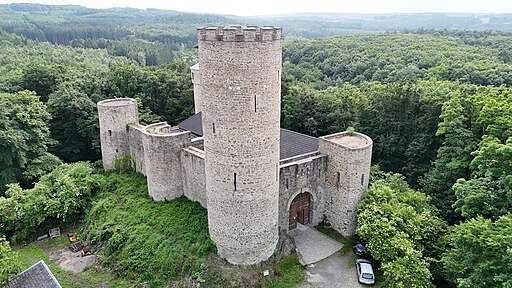
Laufenburg
Nestled atop a rolling limestone ridge above the Erft River, the medieval ruins of Burg Laufenburg overlook the historic town of Langerwehe. Though often overshadowed by the more famous castles of the Eifel and Ardennes, this compact fortress and its surrounding village offer a rich tapestry of history, nature and local culture. From ancient Roman roads to vibrant community festivals, Laufenburg yields an immersive experience for history buffs, hikers and anyone seeking an authentic slice of rural North Rhine-Westphalia.
Geography and Landscape
The Erft Valley
The Erft River meanders through Langerwehe’s countryside, carving a gentle valley ringed by wooded slopes. In spring and summer, wild orchids and anemones carpet the limestone meadows; autumn brings coppery beech leaves that glow at sunset. The sound of flowing water from the old mill ponds mingles with birdsong, creating a serene backdrop for exploration.
Surrounding Nature Reserves
A short walk from the castle ruins leads into protected areas such as the Wehebachtal Nature Reserve. Here, rare amphibians like the fire salamander find refuge, while ancient beech stands shade narrow stream gullies. Well-maintained footpaths and waymarkers guide visitors past rocky outcrops and panoramic viewpoints of the Erft floodplain.
Historical Overview
Origins in Antiquity
Long before the first stone walls were raised, Roman travelers followed a dirt road along the Erft banks, linking the legionary base at Köln to the eastern frontier. Fragments of Roman pottery and coins unearthed near today’s village center hint at this forgotten chapter when merchant caravans and military detachments paused by freshwater springs.
The Rise of Burg Laufenburg
In the early 12th century, a local noble family recognized the strategic vantage point offered by the hilltop and constructed a simple stone watchtower. Over the next two centuries, the tower expanded into Burg Laufenburg: a compact fortress featuring a donjon, curtain walls and a dry moat. Its role was to control trade routes, levy tolls on river traffic and guard the northern approaches to Aachen.
Later Ownership and Preservation
By the 15th century, Burg Laufenburg passed through several hands—from the Duchy of Jülich to local knightly families. As artillery rendered small hilltop castles obsolete, the fortress fell into disuse and gradually deteriorated. In the early 20th century, local heritage societies began archaeological excavations and rudimentary restoration, stabilizing the remaining walls and creating an accessible trail network.
Exploring Burg Laufenburg Today
Ruins and Architecture
Visitors ascend a gentle path to the castle gatehouse, where a reconstructed drawbridge spans the original moat. Inside, the keep’s lower masonry reveals irregular mortar lines that betray multiple construction phases. Narrow arrow slits frame views toward Langerwehe and the distant Eifel heights, offering a palpable sense of medieval defense strategy.
Hiking Trails and Panoramic Viewpoints
A looping circuit trail circles the ridge, guiding walkers past lookout platforms built on ancient bastions. On clear days, the white spires of Cologne Cathedral outline the horizon. Benches placed at strategic intervals invite you to linger, sketch or photograph the changing light over the Erft corridor.
Outdoor Events at the Castle
In summer, the moat transforms into a natural amphitheater for open-air concerts featuring folk ensembles and chamber orchestras. During autumn, guided “ghost walks” dramatize legends of lost treasure hidden within the keep. Local theater groups stage medieval pageants, complete with traditional costumes and archery demonstrations.
Cultural Life in Laufenburg (Langerwehe)
Local Festivals and Traditions
Each May, the Langerwehe Maifest celebrates spring with live brass bands, maypole dancing and culinary stalls. Harvest season brings the Erft Valley Wine Fair, where vintners from the lower Rhine region present young white and rosé wines alongside cured meats and hard cheeses. The carnival season (Fastelovend) bursts into color with costumed processions snaking through village streets.
Community and Clubs
Despite its small size, Laufenburg boasts an active community spirit. The Burgfestivalverein organizes castle clean-ups and educational workshops for schoolchildren. Sport clubs run youth soccer teams and Nordic walking groups that explore hidden forest tracks. A volunteer history circle publishes an annual booklet chronicling newly discovered artifacts and building records.
Culinary Highlights
Regional Dishes and Specialties
The local kitchens emphasize farm-to-table freshness. Traditional dishes include Erft Valley trout, pan-seared and drizzled with herb butter, and rye bread dumplings served with wild mushroom ragout. House-made mustard and horseradish from nearby Hodorf elevate bratwurst and dry-cured ham that pair perfectly with hearty local peasoup.
Wine and Beer Culture
While vineyards are sparse, the nearby Moselle and Ahr regions supply crisp Rieslings and light Spätburgunders. Within Langerwehe itself, a microbrewery crafts small-batch ales infused with dandelion petals or elderflowers harvested from hedgerows. Visitors can sample flights in a rustic taproom lit by lanterns carved from hollowed gourds.
Practical Travel Information
Getting There
Laufenburg sits just off the B399 federal road, between Düren and Heimbach. Regular regional trains stop at Langerwehe station, with onward bus connections to the castle viewpoint. For drivers, free parking is available at the Erftparkplatz below the hill; from there, an easy ten-minute climb leads to the gatehouse.
Accommodation Options
A handful of family-run guesthouses line the main street, offering cozy rooms adorned with local wood carvings. A converted mill on the riverbank operates as a boutique B&B, complete with riverside terraces for morning coffee. Camping enthusiasts can pitch tents at the nearby Wehebachtal campground, where stargazing on clear nights reveals the Milky Way overhead.
Tips for Visitors
- Wear sturdy shoes: sections of the castle path are uneven and strewn with loose limestone.
- Bring binoculars: the Erft Valley harbors kingfishers and buzzards that patrol the skies.
- Check the event calendar: many guided tours and performances take place only on weekends from May through October.
- Support local businesses: small cafés and artisans keep heritage alive with handcrafted pottery and cured sausages.
Conclusion
Laufenburg’s unassuming ruins and vibrant community life illustrate how history and nature can intertwine to create a living heritage site. Whether you arrive seeking a quiet woodland hike, a hands-on glimpse of medieval architecture or an intimate village festival, this hidden gem rewards every curious traveler. In a region famed for grand cathedrals and sprawling Eifel parks, Laufenburg stands out by celebrating the power of place—where one stone wall can whisper a thousand stories.
