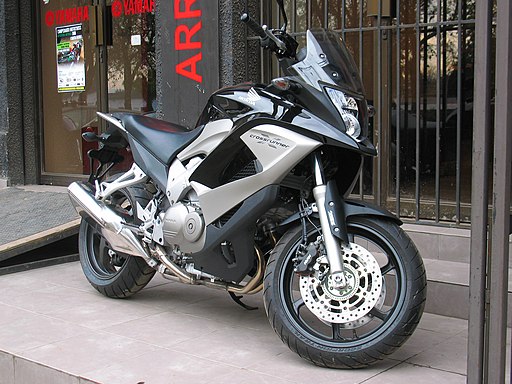
The Honda Crossrunner arrived in 2011 as a versatile adventure-sport motorcycle designed to bridge the gap between naked roadsters and full-bore adventure bikes. With upright ergonomics, a torquey V4 engine, and a semi-faired body, the Crossrunner offers spirited performance on winding asphalt and confidence-inspiring poise on gravel tracks. This article unpacks the Crossrunner’s engineering highlights, performance figures, maintenance essentials, and spec-by-spec breakdown for riders seeking a do-it-all machine.
Design Philosophy and Model Evolution
Honda conceived the Crossrunner to satisfy riders who crave spirited sportbike dynamics without sacrificing upright comfort and mild off-road capability. Key development objectives included:
- Narrow powerplant packaging for agile handling
- Ergonomic adjustable windscreen and handlebar reach
- Balanced chassis geometry for on-road agility and mild trail use
- Adaptable suspension to suit solo riders or two-up touring
Since its introduction, the Crossrunner has evolved through incremental updates to engine mapping, electronics, and styling while retaining its core V4 character and dual-purpose appeal.
Engine Architecture
Configuration and Displacement
The heart of the Crossrunner is a liquid-cooled, 25° longitudinal V4 engine derived from the VFR1200 series. Core parameters include:
- Displacement: 1,237 cc
- Bore × Stroke: 81 mm × 60.6 mm
- Compression Ratio: 11.6 : 1
This layout delivers perfect primary balance, low vibration, and a narrow crankshaft width to optimize chassis centralization.
Valvetrain and Induction
- Head: DOHC per bank, four valves per cylinder (16 total)
- Cam Drive: Precision roller chain with hydraulic tensioners
- Fuel System: Sequential multi-port electronic injection with 44 mm throttle bodies
- Electronic Controls: Throttle-by-wire (Honda Selectable Torque Control)
Advanced injection mapping smooths throttle transitions under load, while the torque control system offers rider-selectable levels of traction intervention.
Lubrication and Cooling
- Oil Capacity: 4.2 L including filter
- Oil System: Wet sump with full-flow spin-on filter
- Cooling System: 4-row aluminum radiator with dual thermostatic fans
An integrated oil cooler and optimized coolant circuits maintain stable temperatures during extended high-load riding.
Transmission and Final Drive
- Transmission: Six-speed constant-mesh gearbox
- Clutch: Assisted slipper clutch, cable-actuated
- Final Drive: 520 O-ring chain; front sprocket 18T, rear sprocket 47T
Close-ratio gearing keeps the V4 in its broad torque band, while the slipper function reduces rear-wheel hop during aggressive downshifting.
Chassis and Ergonomics
Frame and Geometry
- Frame Type: Aluminum twin-spar perimeter
- Wheelbase: 1,530 mm
- Rake / Trail: 25.5° / 107 mm
- Seat Height: 830–850 mm (adjustable)
- Dry Weight: 236 kg
The perimeter frame stiffly links headstock and swingarm pivot for precise turn-in, and adjustable seat and footpeg positions accommodate different rider sizes.
Ergonomic Features
- Handlebar: 840 mm wide, adjustable reach via risers
- Windscreen: Electrically adjustable over 60 mm travel
- Windscreen Profile: Tapered design to minimize turbulence at highway speeds
Comfort-focused cockpit geometry balances sport posture with long-distance touring capability.
Suspension and Braking
Front Suspension
- Forks: 45 mm Showa cartridge-style inverted
- Adjustments: Preload, compression, rebound
- Travel: 150 mm
Rear Suspension
- Swingarm: Pro-Link single-shock aluminum
- Shock: Remote reservoir Showa unit
- Adjustments: Spring preload, compression, rebound
- Travel: 140 mm
Progressive linkage rates yield supple response over small bumps and rising support in hard cornering.
Brakes and Wheels
- Front Brakes: Dual 310 mm discs; Nissin four-piston radial-mount calipers
- Rear Brake: Single 256 mm disc; Nissin two-piston caliper
- Wheel Size: 17 × 3.50 in front; 17 × 5.50 in rear
- Tire Fitment: 120/70 ZR17 front; 190/50 ZR17 rear
High-stiffness calipers and large rotors deliver confident, fade-resistant braking, while the rear disc offers smooth, predictable stopping power.
Electronic Aids
- ABS: Dual-channel anti-lock braking system
- HSTC: Honda Selectable Torque Control with three modes plus off
- Power Modes: Sport, Standard, Rain
- Display: Full-color TFT dashboard with gear indicator, fuel economy gauge, shift light
Integrated electronics enhance safety and allow riders to tailor engine character and traction intervention to road conditions.
Performance Figures
- Peak Power: 127 hp @ 10,000 rpm
- Peak Torque: 126 Nm @ 7,250 rpm
- Top Speed: 230 km/h
- 0–100 km/h: 3.7 s
- Fuel Economy: 5.9 L/100 km (mixed riding)
- Fuel Capacity: 18.5 L (including 4 L reserve)
Strong midrange torque makes the Crossrunner feel agile from low revs, while peak horsepower provides brisk top-end acceleration.
Maintenance and Servicing Strategies
- Valve Clearance: Inspect every 16,000 km; shim adjustment required
- Oil Change: Replace oil and filter every 12,000 km or annually
- Chain Care: Lube and adjust every 1,000 km; inspect sprockets for wear
- Brake Fluid: Flush dual-circuit system every two years
- Suspension: Service fork and shock seals every 24,000 km or when damping deteriorates
Following these intervals preserves ride quality, engine reliability, and component longevity under varied riding conditions.
Technical Specification Summary
| Parameter | Specification |
|---|---|
| Engine Type | Liquid-cooled 25° V4 |
| Displacement | 1,237 cc |
| Bore × Stroke | 81 mm × 60.6 mm |
| Compression Ratio | 11.6 : 1 |
| Valvetrain | DOHC per bank; 4 valves/cylinder |
| Fuel System | EFI with 44 mm throttle bodies |
| Transmission | 6-speed constant-mesh |
| Final Drive | 520 O-ring chain (18 T/47 T) |
| Frame | Aluminum twin-spar perimeter |
| Front Suspension | 45 mm Showa inverted, preload/comp/reb |
| Rear Suspension | Pro-Link Showa remote-reservoir shock |
| Wheelbase | 1,530 mm |
| Seat Height | 830–850 mm (adjustable) |
| Dry Weight | 236 kg |
| Fuel Capacity | 18.5 L (4 L reserve) |
| Peak Power | 127 hp @ 10,000 rpm |
| Peak Torque | 126 Nm @ 7,250 rpm |
| Top Speed | 230 km/h |
Legacy and Upgrades
Since its launch, the Crossrunner has earned praise for versatile performance and reliability. Popular aftermarket enhancements include:
- Quick-shifter installations for seamless upshifts
- LED lighting kits to reduce electrical load and improve visibility
- High-flow air filters and slip-on mufflers for deeper sound and marginal power gains
- Adjustable rearsets to refine ergonomics for sporting rides
A robust community shares setup guides, mapping files, and touring routes that showcase the Crossrunner’s dual-purpose capability.
Conclusion
The Honda Crossrunner combines a potent V4 powerplant, adaptable electronics, and adventure-style ergonomics into a single, do-everything machine. Its precise chassis, generous torque, and electronic safety nets cater equally to canyon-carving days and cross-country tours. With routine maintenance and targeted upgrades, the Crossrunner remains a compelling choice for riders seeking sportbike thrills without sacrificing touring comfort.
.jpg)