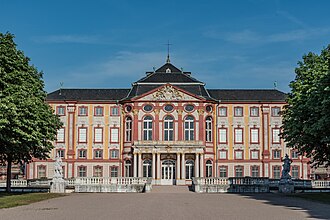
Schloss Bruchsal: A Majestic Tale of Baroque Splendor, Destruction, and Rebirth
Nestled in the heart of Bruchsal, a city on the Upper Rhine in southwestern Germany, Schloss Bruchsal stands as one of the most atmospheric and architecturally significant palace complexes in the country. More than just a historic monument, it is a living narrative of artistic ambition, ecclesiastical power, and human resilience. From its inception in the early 18th century as the principal residence of the Prince-Bishops of Speyer to its near-total destruction at the end of World War II and subsequent meticulous reconstruction, Schloss Bruchsal remains a testament to both the heights of Baroque artistry and the enduring desire to preserve cultural memory for generations to come.
In this extensive blog‑style article, we will delve deep into the history, design, cultural context, and modern significance of Schloss Bruchsal, exploring its architectural genius, the stories of the people who built and lived within its walls, the devastating wartime events that threatened its existence, and the beautiful experience it offers to visitors today. This is a journey through time and space that reveals how a palace becomes more than stone and plaster—it becomes a mirror reflecting society itself.
A Palace Born of Power: Origins of Schloss Bruchsal
The story of Schloss Bruchsal begins in the early 1700s, during a time when ecclesiastical rulers wielded both religious authority and secular power. In 1719, Prince-Bishop Damian Hugo von Schönborn, an influential and cultured figure within the Holy Roman Empire, decided to relocate his official residence from Speyer to Bruchsal. This was more than a simple change of address; it was a bold statement of prestige and intent. By building an imposing new residence, Schönborn sought to solidify his legacy and underscore the political and cultural relevance of his bishopric on the Upper Rhine.
From the moment its foundation was laid in 1720, Schloss Bruchsal was conceived as a grand architectural ensemble rather than merely a functional dwelling. Unlike many medieval fortresses that prioritized defense, this residence was designed to impress—to embody the Baroque ideals of spectacle, harmony, and theatrical grandeur. Its location on elevated ground gave it commanding views over the city, affirming the prince-bishop’s presence and authority in both spiritual and worldly realms.
The palace was constructed as a three‑winged complex arranged around a large courtyard, using fine sandstone that gleamed in the soft light of the Rhein plain. Decorative and symbolic elements were infused into every part of the design, blending the architectural language of Baroque with layers of meaning that spoke of the power, culture, and aspirations of its builders.
Baroque Grandeur: Architectural Ambition and Design
Walking through the gates of Schloss Bruchsal, one of the first impressions is the sheer vibrancy of the complex. The gatehouse, treasury building, and adjacent wings are adorned with richly painted facades and dynamic stucco work—decorative touches that announce the Baroque ethos: space as theater, vision as sensory experience. Golden dragons perched as waterspouts or gargoyles bring a slightly whimsical flourish, manifesting the Baroque love of allegory and ornate detailing.
Baroque architecture in general embraced drama, movement, and visual richness. At Schloss Bruchsal, these ideals were translated into a spatial choreography designed to evoke awe and delight. The courtyard itself—rare among such complexes for its ornamental water features and sunken gardens—hinted at the palace’s role not as fortification but as a stage for ceremonial life.
At the heart of the palace lies its most universally admired architectural feature: the grand staircase. Conceived and brought to life by the brilliant architect Balthasar Neumann, this staircase has been called the “crown jewel of all Baroque staircases.” Rather than serving merely as a means of moving between floors, it was designed with a conceptual flourish that plays with light, perspective, and spatial relationships. Emerging from darker grotto-like spaces into rooms of brilliant light and ornament, visitors ascend through an almost symbolic journey from earthly shadow into celestial splendor.
The staircase’s form is dynamic yet harmonious, dramatic yet welcoming. It speaks of the marriage between engineering ingenuity and artistic expression that defined the apex of Baroque architectural achievement in Europe.
Inside the Palace: Splendor and Symbolism
Beyond the staircase, the interior rooms of Schloss Bruchsal reveal layers of artistic intention and historical context. The palace was decorated over decades not only in the Baroque style but also later in Rococo refinement, forming a kind of visual timeline of 18th‑century European artistic taste. Franz Christoph von Hutten, who succeeded Damian Hugo von Schönborn, played a pivotal role in completing and decorating many of the opulent rooms that continue to captivate visitors today.
Each chamber within Schloss Bruchsal is a testament to craftsmanship. Wall and ceiling frescoes depict a rich interplay of mythological subjects, symbolic narratives, and references to both divine and worldly authority. Intricate stucco work, finely grained marble, and gilt detailing work together to create a sense of warmth and theatricality—a hallmark of Rococo aesthetics.
Some rooms showcase tapestries from France—luxurious textiles woven with mythic scenes, floral motifs, and heraldic symbols. These woven works served not only decorative purposes but also conveyed messages of lineage, diplomacy, and cultural identity. Together they formed one of the most important tapestry collections of its era.
The corridors and galleries were not merely functional spaces, but conduits for experience—crafted so that each transition from room to room felt like a new chapter of a larger narrative. The careful orchestration of light, color, ornament, and structure makes moving through the palace feel akin to wandering through a living painting.
Life in the 18th Century: Courtly Culture and Ceremony
To fully appreciate Schloss Bruchsal, it helps to imagine the rhythms of life when it was first occupied. For the prince‑bishops and their households, the palace was both residence and center of governance. It was where ceremonies were performed, guests were welcomed, decisions were made, and alliances were brokered. Life here was governed not only by religious duties but also by social rituals rooted in display and ceremony.
In this context, the palace’s design fulfilled both practical and symbolic functions. Public rooms were expansive and elaborately decorated to host visitors and dignitaries. Banquet halls resounded with music, laughter, and conversation. The private apartments balanced refinement and comfort, offering peaceful retreats after long days of official duties.
The gardens, arranged according to Baroque principles of symmetry and visual extension of interior spaces, were another important aspect of courtly life. Walks among tree‑lined avenues, contemplative pauses by fountains, and orchestrated sightlines to distant vistas were part of a cultured ruler’s engagement with nature and artifice alike.
A Monument Under Fire: World War II and Devastation
The tranquil legacy of the palace was violently disrupted in March 1945 during the final months of World War II. An air raid struck the city of Bruchsal, targeting its strategic rail hub—yet the palace itself bore the devastation. Almost the entire complex burned to the ground as bombs and ensuing fires ravaged its structures. What had taken decades of craftsmanship to build was in a matter of hours reduced to a skeletal shell.
The destruction was profound. Roofs collapsed, frescoes were lost, marble halls caved in, and treasures vanished beneath rubble. The monumental staircase, though severely damaged, remained one of the few sections with any structural survival—a poignant symbol of both impermanence and hope.
For decades after the war, Schloss Bruchsal stood in ruins, a stark reminder of the losses wrought by conflict. But the story was not yet over.
Reconstructing Glory: Postwar Restoration and Renewal
In the years following World War II, a passionate movement for reconstruction was born. Restoring an architectural masterpiece like Schloss Bruchsal was neither simple nor inexpensive. It required meticulous research, commitment to historical accuracy, and an extraordinary degree of craftsmanship. Yet, the restoration effort that began in the 1950s and continued through the late 20th and early 21st centuries is now widely regarded as one of Germany’s greatest cultural achievements.
The palace’s central sections, including the grand staircase and main halls, were painstakingly reconstructed using original plans, photographs, and surviving fragments. New materials were sourced and traditional techniques revived in service of historical fidelity. The gamble paid off. Today, Schloss Bruchsal stands once again in its full Baroque glory, its interiors resonating with color and ornament as they did centuries ago.
In 2017, the Beletage—the central level with its princely apartments—was reopened to the public, offering an even richer and more immersive view into 18th‑century life. A vast collection of tapestries, restored furniture, and decorative arts returned to their original positions, allowing visitors to experience the palace much as its original inhabitants did.
A Modern Museum Complex: Layers of History and Culture
Today, Schloss Bruchsal is not simply a restored relic—it is a thriving museum complex with multiple facets. In addition to the palace rooms themselves, the complex hosts:
- The Deutsches Musikautomaten‑Museum (German Museum of Mechanical Musical Instruments), a fascinating collection that charts the history of musical automatons from early mechanical devices to intricate musical machines.
- The City Museum of Bruchsal, located on the upper floors, which explores the rich history of Bruchsal from prehistoric times to modernity, including archaeological finds and cultural artifacts that span millennia.
This dual‑museum format enriches the visitor experience, blending architectural grandeur with cultural education and storytelling across disciplines.
Visiting Today: An Immersive Experience
Walking through Schloss Bruchsal today is a multisensory encounter. The grand courtyard welcomes visitors with its vibrant colors and playful dragon motifs. Inside, the staircase leads the eye upward, its sweeping curves and luminous surfaces guiding a journey through light and space. The great halls, chambers, and galleries echo with stories of ceremony and power, while delicate tapestries and decorative paintings draw you closer into moments of intimacy and detail.
Beyond the palace walls, the garden offers a quiet contrast—a place for reflection among sculptured paths and fountains that owe their design to the Baroque emphasis on harmony between built form and nature.
Guided tours, audio guides, and exhibitions add layers of narrative that help visitors connect the architectural splendor with the lived realities of history. Whether you are a student of art history, a lover of music automatons, or simply someone enchanted by beauty and craftsmanship, Schloss Bruchsal provides an unforgettable experience.
Conclusion: A Testament to Creation and Preservation
Schloss Bruchsal is more than a palace—it is a storyteller. From its origins as a symbol of ecclesiastical might to its near destruction and remarkable rebirth, it embodies the arc of human creativity, vulnerability, and perseverance. It reminds us of how art and architecture can shape identity, affirm values, and bridge centuries through shared cultural heritage.
In its stones and stucco, its paintings and staircases, Schloss Bruchsal encapsulates the grandeur of the Baroque era and the enduring human spirit that chose to preserve it—despite war, ruin, and the passage of time. (Schloss Bruchsal)
For anyone passionate about history, design, or the narratives that unfold between walls and corridors, Schloss Bruchsal offers more than a visit; it offers a deep, resonant encounter with the past that still speaks to our present.
