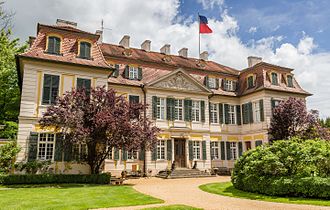
Schloss Dennenlohe: Bavaria’s Hidden Palace of Gardens, Wilderness, and Aristocratic Elegance
In the heart of Franconia, surrounded by forests, lakes, meadows, and quiet villages, there exists a place that feels suspended between aristocratic grandeur and untamed nature. Schloss Dennenlohe is not merely a castle, nor only a garden estate, nor simply a historical residence. It is a world unto itself — a harmonious fusion of landscape architecture, noble heritage, ecological beauty, and deeply personal creativity. While Bavaria is internationally associated with dramatic Alpine scenery and famous royal palaces such as Neuschwanstein Castle, Schloss Dennenlohe offers something quieter, more intimate, and in many ways more surprising.
The estate does not overwhelm visitors through monumental scale alone. Instead, it gradually reveals itself through atmosphere, detail, and emotional resonance. A journey to Schloss Dennenlohe feels less like entering a tourist attraction and more like stepping into a private dream cultivated across generations. Visitors encounter expansive English-style landscape gardens, tropical plant collections, reflective lakes, dense forests, ornamental structures, hidden pathways, and an aristocratic residence that remains genuinely connected to family life rather than existing solely as a museum frozen in time.
This unique combination gives Schloss Dennenlohe a special identity among Germany’s historic estates. It is alive in the truest sense of the word. Plants grow wildly yet carefully. Water reflects shifting skies. Rare trees mature slowly over decades. Seasons transform the landscape with extraordinary intensity. Human design and natural spontaneity coexist in delicate balance.
The estate also reflects a distinctly Franconian relationship with land and history. Unlike castles built primarily for defense, Schloss Dennenlohe evolved into a place dedicated increasingly to aesthetics, cultivation, hospitality, and environmental harmony. Its story is therefore not only about aristocratic lineage but also about changing European attitudes toward nature, beauty, and landscape design.
For travelers seeking destinations beyond the obvious landmarks of Germany, Schloss Dennenlohe represents a remarkable discovery. It rewards patience, curiosity, and slow observation. The estate cannot be understood through hurried sightseeing. Its beauty unfolds gradually, through long walks beneath ancient trees, quiet moments beside lakes, and the subtle realization that every pathway has been shaped by generations of human imagination.
The Origins of Schloss Dennenlohe
A Noble Estate in Franconian Bavaria
The history of Schloss Dennenlohe reaches deep into the aristocratic traditions of Franconia, a region whose cultural identity differs in many ways from southern Bavaria’s Alpine image. Franconia possesses its own architectural language, culinary traditions, and historical atmosphere shaped by medieval bishoprics, noble estates, and centuries of regional autonomy within the Holy Roman Empire.
The origins of the estate date back several centuries, though the current form of the palace and gardens evolved gradually through multiple architectural phases. Unlike heavily fortified medieval castles perched dramatically on rocky cliffs, Schloss Dennenlohe emerged as a more refined aristocratic residence integrated directly into the surrounding landscape. Its purpose extended beyond defense toward representation, comfort, and the cultivation of beauty.
The noble families associated with Dennenlohe played important roles within regional society. Estates such as this functioned not merely as private residences but as economic and cultural centers influencing nearby villages, agricultural activity, and local governance. Aristocratic life in Franconia revolved around land stewardship as much as ceremonial prestige.
Over time, the estate reflected changing architectural tastes and social ideals. Medieval practicality gradually gave way to Baroque elegance, and later to Romantic landscape aesthetics emphasizing harmony between human design and nature. This evolution remains visible throughout the property today, where formal structures coexist with expansive gardens that appear almost natural despite careful planning.
Survival Through Centuries of Change
One of the most remarkable aspects of Schloss Dennenlohe is its continuity. European history has not been gentle toward aristocratic estates. Wars, revolutions, economic crises, and political transformations destroyed or radically altered countless historic properties. Yet Dennenlohe survived.
The estate endured periods of instability that reshaped Germany repeatedly. The Thirty Years’ War devastated large parts of Central Europe. Later centuries brought Napoleonic conflict, industrialization, imperial unification, and eventually the catastrophic upheavals of the twentieth century. Through all these transformations, Schloss Dennenlohe adapted while preserving its essential identity.
This continuity gives the estate unusual emotional depth. Visitors are not encountering a reconstructed fantasy detached from history but a genuine historical environment shaped gradually across generations. The palace, gardens, and surrounding landscape carry traces of centuries of human experience embedded within them.
Importantly, Schloss Dennenlohe also avoided becoming a static monument disconnected from everyday life. Many historic estates survive only as museums. Dennenlohe retained something far rarer: continuity of lived experience. This ongoing connection between family, property, and landscape contributes enormously to the atmosphere visitors encounter today.
The Extraordinary Gardens of Dennenlohe
One of Germany’s Most Impressive Landscape Gardens
Although Schloss Dennenlohe itself is architecturally fascinating, the gardens represent the estate’s true masterpiece. The property contains one of Germany’s largest and most remarkable privately maintained landscape parks. Spanning extensive grounds that include forests, lakes, meadows, and cultivated gardens, the estate creates an immersive world where nature and artistic vision merge seamlessly.
Unlike rigidly symmetrical Baroque gardens designed primarily to demonstrate human control over nature, Dennenlohe’s landscape reflects the influence of the English garden tradition. This style emerged during the eighteenth century as a reaction against geometric formalism. Instead of imposing strict order, English landscape gardens sought to create idealized natural scenery — landscapes appearing spontaneous despite careful orchestration.
At Dennenlohe, this philosophy reaches extraordinary scale. Pathways curve gently through forests and open lawns. Lakes reflect trees and sky with painterly beauty. Rare botanical specimens appear unexpectedly amid seemingly wild vegetation. Every vista feels composed yet organic.
The experience of walking through these gardens differs profoundly from visiting conventional tourist attractions. There is no single focal point demanding immediate attention. Instead, beauty reveals itself gradually through movement and observation. Visitors encounter constantly shifting relationships between water, light, architecture, and vegetation.
The Vision Behind the Landscape
The gardens owe much of their contemporary identity to the creative vision of the current aristocratic family, particularly Robert Freiherr von Süsskind, whose passion for horticulture and landscape design transformed the estate into an internationally respected garden destination.
What distinguishes Dennenlohe from many historic gardens is the deeply personal nature of its development. This is not a landscape maintained purely for historical preservation. It is a living artistic project shaped continuously through experimentation, botanical curiosity, and emotional connection to the land.
The estate incorporates influences from numerous international garden traditions while retaining a distinctly Franconian atmosphere. Visitors may encounter subtropical plantings, Asian-inspired features, romantic woodland sections, and expansive English-style lawns within the same broader landscape. Yet despite this diversity, the estate feels coherent rather than fragmented.
This coherence emerges from sensitivity to scale and atmosphere. The gardens never feel artificially crowded with attractions. Space, silence, and natural rhythm remain central to the experience. Large areas are intentionally left open or semi-wild, allowing visitors to experience tranquility and immersion rather than constant stimulation.
The Palace Architecture
Elegance Rather Than Monumentality
Architecturally, Schloss Dennenlohe embodies aristocratic refinement rather than overwhelming grandeur. Unlike royal palaces built to intimidate subjects and foreign ambassadors, Dennenlohe possesses a more intimate elegance rooted in regional tradition.
The palace integrates harmoniously into the surrounding landscape rather than dominating it aggressively. Its proportions feel balanced and humane, emphasizing comfort and aesthetic coherence over theatrical display. This architectural restraint contributes significantly to the estate’s charm.
The building reflects multiple historical periods layered together organically. Baroque influences shape certain elements, while later modifications introduced softer and more romantic features. Large windows establish visual connection between interior spaces and gardens, reinforcing the estate’s fundamental relationship with landscape.
Visitors often remark upon the atmosphere of authenticity within the palace. Rooms feel lived-in rather than staged artificially for tourism. Furnishings, artwork, and decorative details communicate continuity of family history rather than museum-like detachment.
Interiors and Aristocratic Atmosphere
Inside Schloss Dennenlohe, historical elegance combines with warmth and personality. Many aristocratic residences can feel emotionally distant, emphasizing ceremonial grandeur over intimacy. Dennenlohe avoids this problem through its sense of genuine habitation.
Historic furniture, portraits, books, and decorative objects contribute to an atmosphere suggesting ongoing family life rather than frozen historical reconstruction. Visitors sense that the estate remains connected to human experience across generations.
The interiors also reflect changing aristocratic tastes over time. Different rooms reveal varying influences from Baroque, Romantic, and later aesthetic movements. Yet the overall atmosphere remains coherent because comfort and livability were always prioritized alongside prestige.
Large windows frame garden views almost like living paintings. Seasonal changes therefore become integral to the interior experience. Spring blossoms, summer greenery, autumn foliage, and winter mist constantly alter the emotional character of rooms throughout the year.
The Relationship Between Nature and Aristocratic Culture
The Evolution of Landscape Ideals
Schloss Dennenlohe offers fascinating insight into broader European cultural history through its relationship with nature. Aristocratic estates historically functioned as laboratories for evolving ideas about landscape, beauty, and environmental order.
Medieval nobles viewed forests primarily through practical and symbolic lenses. Woodlands provided hunting grounds, timber, and strategic protection. During the Baroque era, aristocratic gardens emphasized control, symmetry, and domination over natural chaos. Later, Romanticism introduced entirely different ideals celebrating emotional connection to untamed scenery.
Dennenlohe reflects these intellectual transformations physically. Its landscape embodies the Romantic belief that nature should inspire contemplation, emotional depth, and spiritual reflection rather than merely demonstrating wealth or authority.
This philosophical dimension distinguishes great gardens from decorative parks. Dennenlohe encourages visitors not simply to admire visual beauty but to experience changing emotional states through interaction with landscape. Open lawns evoke calm expansiveness, wooded pathways suggest mystery, and lakes encourage reflection both literal and metaphorical.
Ecological Awareness and Modern Stewardship
Another remarkable quality of Schloss Dennenlohe is its integration of modern ecological awareness with historical preservation. The estate demonstrates that historic landscapes need not remain trapped in outdated environmental practices.
Biodiversity plays a major role throughout the gardens and surrounding parklands. Rare plants coexist with native species, creating habitats supporting insects, birds, and other wildlife. Water management, forestry practices, and landscape maintenance increasingly reflect ecological sensitivity.
This modern stewardship aligns naturally with the estate’s long historical relationship to land management. Aristocratic estates traditionally required deep understanding of agriculture, forestry, and environmental conditions. At Dennenlohe, this legacy continues in updated form.
Visitors therefore encounter not merely preserved history but evolving dialogue between past and present. The estate honors historical traditions while adapting thoughtfully to contemporary environmental realities.
Seasonal Beauty at Schloss Dennenlohe
Spring: Renewal and Explosion of Color
Spring at Schloss Dennenlohe feels almost theatrical in its transformation. After winter’s restraint, the gardens awaken with astonishing intensity. Blossoms emerge across the landscape, fresh greenery softens architectural lines, and water surfaces reflect increasingly bright skies.
The estate’s botanical diversity becomes especially visible during this season. Flowering trees, magnolias, rhododendrons, and countless ornamental plants create constantly shifting waves of color. Yet despite this abundance, the gardens rarely feel overwhelming because plantings are integrated naturally into broader landscape composition.
Spring also changes the emotional atmosphere of the estate profoundly. Pathways seem lighter, birdsong intensifies, and visitors often experience heightened energy and optimism while exploring the grounds. The connection between seasonal rhythm and human emotion becomes unmistakably clear.
Summer: Lush Grandeur and Deep Tranquility
During summer, Schloss Dennenlohe reaches peak luxuriance. Dense vegetation creates cool shaded areas beneath mature trees, while open lawns glow vividly beneath long daylight hours. Lakes mirror dramatic cloud formations and shifting evening light.
Summer invites slower exploration. Visitors linger beside water features, rest beneath ancient trees, and wander extended pathways through woodland sections of the estate. Heat and abundance combine to produce an atmosphere simultaneously vibrant and peaceful.
The gardens also reveal extraordinary textural richness during summer months. Different leaf shapes, tree forms, grasses, and flowering species create visual complexity rewarding careful observation. Dennenlohe’s beauty often lies not in isolated spectacular features but in subtle relationships between countless natural elements.
Autumn: The Estate at Its Most Romantic
Many visitors consider autumn the most magical season at Schloss Dennenlohe. The transformation of foliage into gold, crimson, amber, and copper tones creates scenery of almost overwhelming beauty.
The estate’s extensive tree collections become especially dramatic during this period. Reflections in lakes intensify color effects, while cooler air and softer light enhance the contemplative atmosphere. Autumn emphasizes the Romantic character of the landscape more strongly than any other season.
There is also emotional poignancy in autumn’s beauty. Falling leaves and fading vegetation remind visitors of impermanence and cyclical change. Historic estates naturally encourage reflection upon time, memory, and continuity, and autumn amplifies these themes profoundly.
Winter: Silence and Mystical Atmosphere
Winter strips the landscape to essential forms. Without dense foliage, architectural details and topographical contours become more visible. Mist often drifts across the grounds, creating scenes of haunting beauty.
Snow occasionally transforms Schloss Dennenlohe into something resembling a Northern European fairy tale. Bare branches frame the palace elegantly, while frozen lakes and silent pathways create almost meditative stillness.
Winter also reveals the structural sophistication of the gardens more clearly. Pathways, sightlines, and compositional balance emerge distinctly when vegetation recedes. Visitors willing to embrace colder temperatures often experience the estate at its most intimate and emotionally powerful during this season.
Lakes, Water, and Reflection
Water as the Soul of the Landscape
Water plays a central role throughout Schloss Dennenlohe’s gardens. Lakes, ponds, streams, and reflective surfaces shape the emotional and visual identity of the estate profoundly. Landscape designers throughout history understood water’s unique ability to animate scenery, alter light, and create psychological calm.
At Dennenlohe, water serves multiple purposes simultaneously. It reflects sky and vegetation, expands perceived space, supports ecological diversity, and introduces constant movement and sound into the landscape. Even subtle ripples transform the atmosphere of surrounding areas.
Walking beside the estate’s lakes often becomes one of the most memorable aspects of visiting Dennenlohe. Reflections blur distinctions between land and sky, creating scenes that feel almost painterly. Seasonal changes become especially dramatic near water, where color and light double in intensity.
The Emotional Psychology of Water
Human beings respond emotionally to water in remarkably consistent ways across cultures. Lakes and flowing streams encourage introspection, relaxation, and imaginative reflection. Historic gardens frequently incorporated water features precisely because they shaped psychological experience so effectively.
At Schloss Dennenlohe, these effects are heightened by scale and natural integration. The water bodies feel like organic components of the landscape rather than decorative additions imposed artificially. This authenticity deepens emotional impact considerably.
Visitors often describe experiencing unusual calm while walking through the estate. Water contributes significantly to this sensation by slowing perception and encouraging sustained observation rather than hurried movement.
Rare Plants and Botanical Diversity
A Paradise for Plant Enthusiasts
Schloss Dennenlohe has achieved international recognition among gardeners and horticultural enthusiasts for its extraordinary botanical collections. The estate contains countless rare and exotic plant species carefully integrated into the broader landscape.
This botanical richness reflects decades of experimentation, curiosity, and dedication. Plants from diverse climatic regions coexist surprisingly harmoniously due to thoughtful placement and microclimate management. Visitors encounter unusual trees, subtropical species, ornamental grasses, flowering shrubs, and exotic perennials throughout the grounds.
Importantly, botanical diversity never overshadows overall landscape coherence. Some gardens become cluttered through excessive collecting, but Dennenlohe maintains strong compositional discipline. Rare plants enhance atmosphere rather than functioning merely as isolated curiosities.
The Philosophy of Living Gardens
One reason the estate feels so dynamic is that the gardens remain genuinely alive and evolving. Plants grow unpredictably, weather alters compositions, and new experiments continually reshape portions of the landscape.
This openness to change distinguishes living gardens from static museum displays. Dennenlohe embraces natural processes rather than resisting them completely. Controlled wildness becomes part of the estate’s identity.
Visitors therefore encounter not perfection frozen in time but beauty emerging through ongoing interaction between human intention and natural growth. This balance gives the gardens unusual vitality and emotional authenticity.
Schloss Dennenlohe and Franconian Identity
The Distinct Character of Franconia
Understanding Schloss Dennenlohe also requires appreciating the cultural identity of Franconia itself. Although politically part of Bavaria today, Franconia possesses distinct historical traditions, dialects, cuisine, and architectural styles.
The region historically consisted of fragmented territories governed by bishops, nobles, and free imperial cities. This decentralization produced extraordinary cultural richness visible today in castles, churches, market towns, and rural estates.
Schloss Dennenlohe reflects Franconia’s quieter, more understated aristocratic culture compared with the theatrical royal imagery associated with southern Bavaria. Elegance here emerges through subtlety, continuity, and deep connection to landscape rather than overwhelming monumentality.
Rural Heritage and Slow Living
Franconia also preserves stronger connections to rural tradition than many heavily urbanized European regions. Agricultural rhythms, village life, forestry, and local craftsmanship continue shaping cultural identity.
The estate embodies this slower relationship with time and environment beautifully. Visitors are encouraged implicitly to move more slowly, observe more carefully, and engage more deeply with natural surroundings.
In contemporary society, where speed and constant stimulation dominate many experiences, places like Schloss Dennenlohe offer increasingly valuable alternatives rooted in patience and sensory awareness.
Cultural Events and Public Life
Opening Private Beauty to the Public
One of the most admirable aspects of Schloss Dennenlohe is its openness to visitors despite remaining a private estate. Sharing such landscapes with the public requires significant commitment and trust.
The estate regularly hosts garden festivals, cultural gatherings, and horticultural events attracting visitors from across Germany and beyond. These events strengthen connections between historical heritage, contemporary culture, and environmental appreciation.
Importantly, public access has not destroyed the estate’s atmosphere of intimacy. Visitors still experience tranquility and personal discovery rather than overwhelming commercialization.
Education Through Experience
Historic estates often educate most effectively not through formal instruction but through immersive experience. Schloss Dennenlohe teaches visitors about landscape design, ecology, history, and aesthetics simply through direct encounter with place.
Walking through the gardens encourages awareness of seasonal rhythm, biodiversity, spatial composition, and environmental stewardship. Such learning feels organic rather than imposed.
This educational dimension gives the estate broader cultural significance extending beyond tourism alone.
Photography and Visual Imagination
Capturing an Ever-Changing Landscape
Photographing Schloss Dennenlohe presents fascinating challenges because the estate changes constantly according to weather, season, and light conditions. No single image can fully represent its atmosphere.
Morning mist creates ethereal scenes beside lakes and forests. Afternoon sunlight intensifies color contrasts across lawns and foliage. Evening introduces softness and reflection transforming familiar pathways entirely.
Photographers often discover that the estate rewards patience more than technical perfection. Waiting quietly beside water or beneath trees frequently produces more meaningful images than rushing between famous viewpoints.
Beyond Instagram Aesthetics
Although Schloss Dennenlohe is visually stunning, its true impact exceeds superficial image culture. Social media often encourages rapid consumption of destinations through instantly recognizable visuals. Dennenlohe resists this reduction because its beauty depends heavily upon movement, atmosphere, silence, and temporal change.
The estate reveals itself gradually. Visitors who spend entire afternoons wandering without fixed objectives often experience its deepest qualities most strongly.
Why Schloss Dennenlohe Matters Today
Preserving Beauty in a Rapidly Changing World
Historic estates such as Schloss Dennenlohe matter because they preserve more than architecture or gardens alone. They protect entire ways of relating to landscape, time, and beauty increasingly threatened by modern acceleration.
The estate demonstrates that human creativity can coexist harmoniously with ecological sensitivity. It offers alternatives to purely utilitarian approaches toward land use and environmental management.
In an era dominated by digital distraction and urban expansion, places encouraging contemplation and sensory immersion acquire renewed cultural importance.
Emotional Refuge and Restoration
Many visitors leave Schloss Dennenlohe feeling emotionally restored in ways difficult to explain analytically. The combination of natural beauty, historical continuity, silence, and spatial openness affects human psychology profoundly.
Research increasingly confirms what historic landscape designers understood intuitively: carefully designed natural environments support mental well-being, emotional balance, and reflective thought.
Schloss Dennenlohe therefore functions not merely as a tourist destination but as a form of cultural and emotional refuge.
Conclusion: The Enduring Magic of Schloss Dennenlohe
Schloss Dennenlohe remains one of Bavaria’s most remarkable hidden treasures because it transcends conventional categories. It is simultaneously a historic palace, botanical paradise, landscape artwork, ecological sanctuary, and living family estate. Few places integrate these dimensions so harmoniously.
What ultimately distinguishes Schloss Dennenlohe is not any single architectural feature or garden section but the atmosphere created by the entire environment. Visitors experience continuity between history and nature, design and spontaneity, aristocratic heritage and ecological awareness.
The estate rewards slowness. Its beauty cannot be consumed quickly. Long walks beside lakes, quiet observation beneath ancient trees, and gradual immersion in shifting seasonal moods reveal its deepest qualities over time.
In many ways, Schloss Dennenlohe embodies a philosophy increasingly rare in modern society: the belief that beauty should evolve organically, that landscapes should nourish emotional life, and that human creativity works best in partnership with nature rather than domination over it.
For travelers willing to move beyond Germany’s most famous landmarks, Schloss Dennenlohe offers something extraordinary — not merely a place to visit, but a place to experience deeply. Long after leaving the estate, visitors often remember not just specific views or architectural details, but a lingering feeling of tranquility, wonder, and connection to a slower, more meaningful rhythm of life.
_05.jpg)