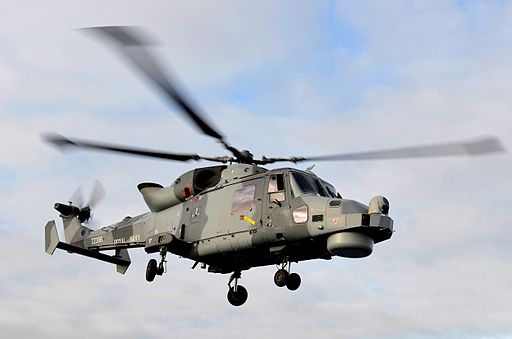
AgustaWestland AW159 Wildcat
AgustaWestland AW159 Wildcat: A Comprehensive Overview
The AgustaWestland AW159 Wildcat is a modern, versatile helicopter designed for a variety of military and maritime roles. It represents a significant evolution in helicopter design, merging cutting-edge technology, operational flexibility, and adaptability in both land and sea environments. Developed by the Anglo-Italian manufacturer AgustaWestland (now Leonardo Helicopters), the AW159 is an advanced derivative of the earlier Westland Super Lynx and offers enhanced performance, greater operational efficiency, and superior combat capabilities.
In this article, we will explore the technical parameters, design, operational capabilities, and various uses of the AW159 Wildcat.
Development History
The AW159 Wildcat emerged from the UK Ministry of Defence’s Lynx Wildcat program, which was intended to replace the aging fleet of Westland Lynx helicopters. The program was initiated to develop an aircraft that would be capable of performing multiple roles, including anti-submarine warfare (ASW), anti-surface warfare (ASuW), surveillance, search and rescue (SAR), and troop transport.
In 2006, AgustaWestland was selected to provide a replacement for the Westland Lynx, and in 2008, the development of the AW159 officially began. The first flight took place in November 2009, with the aircraft entering service with the British Army and Royal Navy in 2014. Since then, the AW159 has been sold to several other international customers, including the Republic of Korea Navy and the Oman Royal Air Force.
Key Technical Parameters
1. Airframe and Structure
The AW159 Wildcat features a four-blade main rotor and a tail rotor. The airframe is designed to be lightweight yet durable, using a combination of high-strength materials such as aluminum and composite structures. The aircraft is built to withstand harsh maritime environments, making it ideal for deployment on naval ships.
- Length: 15.65 meters (51.3 feet)
- Height: 4.60 meters (15.1 feet)
- Main Rotor Diameter: 12.8 meters (41.9 feet)
- Tail Rotor Diameter: 2.7 meters (8.9 feet)
- Wingspan: 14.3 meters (46.9 feet) with winglets attached
2. Engine and Performance
The AW159 is powered by two LHTEC CTS800-4N turboshaft engines, which provide high power-to-weight ratio and are capable of delivering excellent performance across a wide range of operational conditions. These engines are known for their reliability and fuel efficiency, making the AW159 capable of operating in extended missions without requiring frequent refueling.
- Engine Power: Each engine produces 1,000 shaft horsepower (shp)
- Maximum Takeoff Weight: 7,000 kg (15,432 lbs)
- Cruise Speed: 150 knots (278 km/h or 173 mph)
- Maximum Speed: 180 knots (333 km/h or 207 mph)
- Range: 250 nautical miles (460 km or 286 miles) with standard fuel; extended range options are available.
- Service Ceiling: 10,000 feet (3,048 meters)
3. Avionics and Cockpit
The AW159 Wildcat is equipped with advanced avionics that provide superior situational awareness and mission capability. The cockpit is designed to be user-friendly, featuring modern glass cockpit displays and a highly integrated control system. The onboard systems support both day and night operations and can be integrated with various weapon systems.
- Cockpit Configuration: Two-pilot setup with glass cockpit displays
- Radar: CAPTAS-2 towed sonar array for anti-submarine operations
- Electro-optical and Infrared (EO/IR) Systems: Selex ES multispectral imaging systems for surveillance and target detection
- Autopilot: Fully integrated autopilot for enhanced safety and ease of operation
- Communications: Dual-channel digital communication systems for secure data exchange
4. Weapon Systems
The AW159 is designed with a variety of mission-specific weapons and sensors. This makes it a highly flexible asset capable of performing multiple roles, including anti-surface and anti-submarine warfare, as well as close air support and reconnaissance. Key weapon systems and mission equipment include:
- Anti-Ship Missiles: The AW159 can be equipped with Sea Skua or Martlet missiles for anti-surface warfare.
- Torpedoes: The aircraft can carry lightweight torpedoes for anti-submarine warfare, including the Spearfish torpedo.
- Guns: A 7.62mm or 12.7mm machine gun is mounted on the door or in the belly, capable of engaging targets in close support roles.
- Rocket Pods: For additional firepower, the AW159 can be armed with 70mm rockets.
- Tactical Sensors: The Selex ES radar systems and electro-optical infrared (EO/IR) sensors ensure high levels of detection and engagement range.
5. Operational Flexibility
The AW159’s design allows it to operate in a wide variety of environments, including both land and sea-based missions. Some of its notable features include:
- Shipboard Operations: The AW159 can operate from frigates, destroyers, and aircraft carriers, with the ability to operate in rough seas, thanks to its rugged landing gear and tail rotor guard.
- Search and Rescue (SAR): The helicopter is equipped with a variety of systems for day/night search and rescue, including infrared sensors, radar, and winch capabilities.
- Transport: The AW159 can carry up to seven fully equipped troops or transport cargo in a sling load configuration.
6. Survivability and Safety Features
The AW159 is equipped with several safety and survivability features designed to protect the crew and ensure mission success in hostile environments:
- Self-Protection Systems: Integrated missile warning sensors and flare dispensers provide protection against incoming missiles and threats.
- Crashworthy Design: The airframe and seating configurations are designed to protect crew members in the event of an emergency landing or crash.
- Advanced Flight Control Systems: The flight control systems are designed to provide high levels of stability and control under various mission conditions, reducing pilot workload and enhancing safety.
Operational Roles
The AW159 Wildcat is a multi-role helicopter that serves in several operational environments, making it a valuable asset for military and law enforcement agencies. Some of the primary roles include:
1. Anti-Submarine Warfare (ASW)
The AW159 is highly capable in anti-submarine warfare missions, thanks to its advanced sonar systems and ability to deploy torpedoes. The CAPTAS-2 towed sonar array allows the helicopter to detect and track submarines, even in challenging conditions.
2. Anti-Surface Warfare (ASuW)
Equipped with advanced radar and anti-ship missile systems, the AW159 is an effective platform for countering surface threats, including hostile ships and naval vessels. Its ability to launch Sea Skua or Martlet missiles gives it significant striking power.
3. Search and Rescue (SAR)
The AW159’s flexibility in SAR operations allows it to be deployed for both day and night missions. Its winch system and powerful infrared sensors ensure that it can locate and assist survivors in a variety of conditions, including maritime and mountainous environments.
4. Troop Transport and Close Support
The AW159 can carry troops, equipment, and supplies to and from a battlefield or disaster zone. It is also capable of providing close air support, using its weapons and sensors to engage ground targets and support forces in the field.
Conclusion
The AgustaWestland AW159 Wildcat is an advanced, versatile helicopter designed to meet the demands of modern military and maritime operations. Its state-of-the-art avionics, weapon systems, and rugged design make it a formidable platform for a wide range of missions, including anti-submarine and anti-surface warfare, search and rescue, and close air support. With its ability to operate from both land and sea, the AW159 offers unparalleled flexibility and adaptability, making it a critical asset for the armed forces of various nations around the world.
