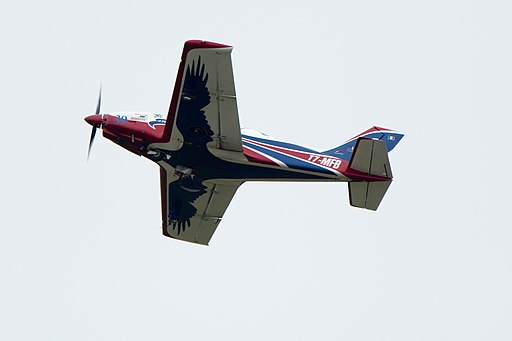
Alpi Pioneer 300
The Alpi Pioneer 300 is a sleek, two-seat ultralight and light-sport aircraft engineered and built by Alpi Aviation in Pordenone, Italy. First flown in 1998, it combines a wooden load-bearing structure with composite skins to achieve a remarkably light airframe, agile handling, and excellent cruise performance. Supplied as a kit or a factory-complete aircraft, the Pioneer 300 has earned a reputation for precision control, modern styling, and versatility across training, cross-country touring, and sport flying.
Design and Structure
Wooden-Composite Airframe
The Pioneer 300’s primary framework consists of spruce and plywood members, arranged in a semi-monocoque layout. Externally, carbon-fiber and fiberglass panels bond to the wooden skeleton, yielding high torsional stiffness, natural vibration damping, and corrosion resistance. This hybrid approach keeps the empty weight under 300 kg while delivering robust strength for aerobatic and utility operations.
Wing Layout and Control Surfaces
The tapered cantilever wing spans 8.10 m and features a NACA-based airfoil optimized for a blend of low-speed stability and high-speed efficiency. The wing incorporates full-span ailerons and electrically actuated flaps, enabling a stall speed as low as 60 km/h with predictable behavior. Wing loading sits around 43 kg/m², striking a balance between handling responsiveness and forgiving slow-flight characteristics.
Landing Gear and Canopy
A retractable tricycle undercarriage minimizes drag for cruise, while a fixed-gear version addresses U.S. Light-Sport rules. Composite spring-steel legs absorb field roughness, allowing operations from grass strips. The aerodynamically contoured bubble canopy slides forward, granting panoramic visibility, easy access, and an open-air ventilation position.
Powerplant Options
Rotax 912ULS (100 hp)
The standard engine is the air- and liquid-cooled Rotax 912ULS four-cylinder, producing 75 kW (100 hp). Paired with a composite two-blade propeller, it delivers reliable starts, smooth throttle response, and an economical fuel burn near 15 L/hr in cruise.
Rotax 914 Turbo and 915iS
Optional powerplants include the turbocharged Rotax 914 (86 kW/115 hp) for enhanced high-altitude performance and the fuel-injected Rotax 915iS (141 hp) for maximum speed and climb. Both upgrades require minor airframe reinforcements and offer climbs up to 8 m/s with service ceilings over 6,000 m.
Variants
Pioneer 300 Standard
Equipped with retractable gear, the 300 Standard cruises at 250 km/h and meets European microlight rules. It features analog instruments and a basic interior layout, ideal for sport pilots.
Pioneer 300 Hawk
The Hawk adds a refined canopy, plywood wing skins, oleo strut landing gear, and upgraded upholstery. Cruise speed remains near 250 km/h while offering improved comfort and durability on rough fields.
Pioneer 300 Turbo
With the Rotax 914 turbo engine, the Turbo reaches cruise speeds up to 265 km/h. It includes luxury trim, carbon-fiber panels, and enhanced cooling scoops to support high-power operations.
Pioneer 300 Griffon
A wider, taller cabin with electrically adjustable seats and advanced soundproofing defines the Griffon. Available with either the 912ULS or 915iS engine, it offers 250–330 km/h cruise and premium avionics options.
Pioneer 330 Acro
Built for aerobatics, the 330 Acro features a +6/–3 g–rated airframe, inverted-capable fuel and oil systems, and the 100 hp Rotax 912ULS. It retains the 300’s exterior lines while enabling loops, rolls, and spins.
Technical Specifications
General Characteristics
| Parameter | Pioneer 300 UL/LSA |
|---|---|
| Crew | 1 pilot |
| Capacity | 1 passenger |
| Length | 6.25 m |
| Wingspan | 8.10 m |
| Wing Area | 11.0 m² |
| Cabin Width | 1.05 m |
| Airframe Load Limits | +4 g / –2 g (Standard) |
Weights and Loading
| Parameter | Value |
|---|---|
| Empty Weight | 285 kg |
| Maximum Takeoff Weight (UL) | 472.5 kg |
| Maximum Takeoff Weight (LSA) | 560 kg |
| Useful Load | 187.5 kg – 275 kg |
| Fuel Capacity | 80 L |
| Baggage Volume | 226 L (max 20 kg) |
Performance
| Parameter | Rotax 912ULS 100 hp | Rotax 914T 115 hp | Rotax 915iS 141 hp |
|---|---|---|---|
| Maximum Speed | 270 km/h | 278 km/h | 330 km/h |
| Cruise Speed (75%) | 250 km/h | 265 km/h | 315 km/h |
| Stall Speed (Flaps Down) | 60 km/h | 63 km/h | 65 km/h |
| Rate of Climb | 8 m/s (1,600 ft/min) | 8.5 m/s (1,700 ft/min) | 10 m/s (2,000 ft/min) |
| Service Ceiling | 5,000 m | 6,000 m | 6,000 m |
| Range (30 min reserve) | 800 km | 750 km | 700 km |
| Fuel Consumption (cruise) | 15 L/hr | 18 L/hr | 20 L/hr |
| Takeoff Distance | 250 m | 230 m | 220 m |
| Landing Distance | 200 m | 190 m | 180 m |
Avionics and Cockpit
The standard panel features analog airspeed, altimeter, variometer, engine gauges, and a magnetic compass. Pre-wiring allows easy installation of modern glass suites such as Garmin G3X or Dynon SkyView. Optional autopilot, digital engine monitoring, and dual-yoke controls transform the cockpit for training and IFR practice.
Operational Roles
Flight schools prize the Pioneer 300 for its benign stall, neutral spin resistance, and accurate controls. Private owners enjoy long-range touring with panoramic views and crisp cruise speeds. Sport pilots exploit retractable gear and turbo options for regional cross-country challenges, while the Acro variant satisfies aerobatic training and airshow routines.
Maintenance and Support
Annual inspections run 60–80 man-hours, comparable to composite-wood designs. Composite skins resist corrosion, and the worldwide Rotax network ensures prompt engine service. Alpi’s dealer system in Europe and North America supplies parts, technical bulletins, and refurbishment kits.
Certifications
The Pioneer 300 holds approvals under:
- European ULM (Italy, France, Germany, Spain, UK, Greece, South Africa)
- CS-VLA and ASTM/LSA for the U.S. market
- Experimental/kit-built categories in several countries
Conclusion
With its combination of lightweight wooden structure, composite efficiency, and proven Rotax powerplants, the Alpi Pioneer 300 series sets a high bar in the ultralight and light-sport classes. Its range of variants—from the base 300 Standard to the high-performance 330 Acro—ensures there is a Pioneer 300 suited to training, touring, aerobatics, or pure sport flying. As pioneers in Italian aircraft design, Alpi Aviation continues to evolve this platform, keeping it at the forefront of innovation and pilot enjoyment.
