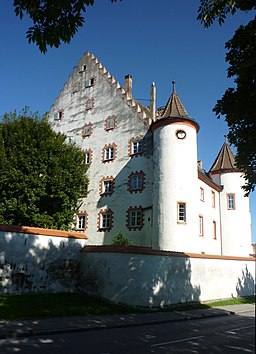
Altes Schloss Kißlegg
Altes Schloss Kißlegg rises gracefully above the rolling hills of Württemberg, an enduring emblem of medieval fortitude transformed by Renaissance elegance and Baroque flair. Nestled amid verdant meadows and ancient woodlands, this storied residence invites visitors to step into centuries of noble intrigue, artistic ambition, and community life. From its sturdy curtain walls to its ornate chapel, every stone and carving tells a chapter of regional history and cultural identity. Whether bathed in spring sunlight, cloaked in autumn mist, or illuminated by winter’s pale dawn, the castle captivates the imagination and speaks to the human impulse to shape heritage into living tradition.
Historical Background
Medieval Origins
In the late 13th century, local lords commissioned a fortified stronghold on this strategic hilltop to oversee trade routes linking the Allgäu plateau with the Neckar valley. Early construction featured a robust keep, flanked by a horseshoe-shaped curtain wall and a deep moat fed by nearby streams. Guard towers punctuated the ramparts, offering sentinels panoramic views of the surrounding farmland and dark forest. Functioning as both military bastion and administrative center, the castle anchored the fledgling settlement that would become modern-day Kißlegg.
Renaissance Transformation
By the mid-16th century, as regional politics shifted from feudal skirmishes to dynastic alliances, the castle’s rulers sought to soften its martial visage. They commissioned master builders to expand living quarters, install mullioned windows, and carve intricate sgraffito patterns on exterior walls. Inside, wood-paneled chambers and decorative stucco ceilings replaced spartan stone vaults. Frescoes depicting mythological scenes celebrated the humanist spirit, while grand fireplaces and tiled stoves brought comfort to formerly chilly halls.
Baroque Refurbishment
The late 17th and early 18th centuries ushered in Baroque exuberance, as princely patrons remodeled the castle into a residence befitting their rising status. Wings were added to enclose a central courtyard, creating intimate garden spaces edged by arcades and wrought-iron balustrades. The chapel received a gilded altar reredos and ceiling paintings of celestial hosts. In the knights’ hall, stucco ornamentation and trompe-l’œil murals conjured vast domed ceilings where none existed, turning every gathering into theatrical pageantry.
Architectural Features
Exterior Design
From afar, Altes Schloss Kißlegg presents a harmonious composition of pastel-hued facades, robust corner bastions, and gently pitched roofs clad in red clay tiles. The main gate, crowned by a carved coat of arms, leads through a defensive barbican into the inner ward. Dormer windows and slender pilasters articulate the residential wings, while rusticated quoins lend visual strength at each corner. Seasonal light plays across the façades—highlighting sgraffito bands in summer and casting deep, dramatic shadows in winter.
Interior Highlights
Crossing the threshold, visitors encounter the ceremonial staircase: a sweeping flight of sandstone steps flanked by sculpted balustrades and illuminated by leaded-glass windows. The great hall features a parquet floor laid in geometric patterns and walls lined with ancestral portraits set in gilded frames. In the council chamber, carved wooden wainscoting and original iron chandeliers evoke centuries of deliberation. The private oratory dazzles with marble columns, polychrome marble flooring, and a Baroque altar where candlelight still flickers during special services.
Gardens and Grounds
Formal Parterre
Enclosed by low boxwood hedges, the Renaissance-inspired parterre unfolds in mirrored symmetry around a central fountain. Flower beds burst with roses, lavender, and seasonal blooms, while marble statues of mythological figures punctuate gravel walkways. Ornamental urns and bronze sundials anchor focal points, inviting contemplation and leisurely strolls. In spring, tulips carpet the terraces; in autumn, chrysanthemums lend fiery color before winter’s frost.
Woodland Promenade
Beyond the formal gardens, winding paths lead through oak and beech groves toward a tranquil fish pond once used to stock the castle kitchens. Benches carved from local stone perch beside the water’s edge, offering moments of quiet reflection as dragonflies skim the surface. A shaded arbored walkway frames views of distant meadows, connecting the castle precincts to hiking trails that traverse the historic landscape.
Cultural Role
Noble Residence and Administration
For centuries, Altes Schloss Kißlegg functioned as the epicenter of local power, where feudal dues were collected, legal disputes settled, and grand banquets held. The castle’s archives once housed charters, land registers, and correspondence that shaped regional alliances. Even as noble lineages waned, the building retained administrative significance, hosting judicial sessions and municipal gatherings within its storied walls.
Museum and Exhibitions
Today, the castle’s west wing accommodates a regional museum dedicated to Allgäu art, archaeology, and daily life. Exhibits showcase medieval pottery shards, Renaissance sculptures, and traditional costumes from the Kißlegg valley. Rotating displays celebrate contemporary artists, forging a dialogue between past and present. Interactive stations invite families to try medieval calligraphy or handle replica armor, turning history into hands-on discovery.
Restoration and Preservation
20th-Century Restorations
By the early 1900s, centuries of weathering and wartime neglect had taken their toll on plasterwork, frescoes, and wooden beams. A local heritage society mobilized craftsmen to revive Baroque murals, replace failing roof timbers, and restore stone balustrades using traditional lime mortars. Their painstaking work rescued the castle from deterioration and laid the groundwork for modern conservation principles.
Modern Conservation Techniques
In partnership with regional universities, preservationists now employ laser scanning to document every elevation and structural element in high resolution. Climate monitors protect delicate textiles and painted surfaces from humidity fluctuations. Wherever possible, original materials are conserved in situ; when replacement is necessary, reclaimed stone and centuries-old timbers ensure visual and structural continuity. Educational workshops train new generations in heritage crafts, ensuring that knowledge remains as durable as the castle itself.
Visiting Altes Schloss Kißlegg
Guided Tours
From April through October, daily guided tours unfold like time machines—leading guests through grand reception halls, hidden passageways, and the ornate chapel. Knowledgeable guides weave stories of courtly intrigue, architectural innovation, and everyday life behind fortress walls. Special lantern-lit evening tours cast the chambers in an otherworldly glow, perfect for experiencing the castle’s medieval mystique.
Events and Festivals
Each summer, the castle hosts an open-air concert series in the courtyard, featuring classical ensembles and folk groups. Autumn brings a harvest festival with artisan markets, regional wines, and traditional dance performances. During the Christmas season, the courtyard transforms into a festive market, where wooden stalls sell handcrafted ornaments, spiced mulled wine, and gingerbread delights under strings of twinkling lights.
Practical Visitor Information
- Opening Hours: April to October, 10 AM–6 PM; November to March, weekends only
- Admission: Individual tickets, family passes, and combined museum–castle options available
- Accessibility: Ground-floor rooms and gardens wheelchair accessible; upper floors via historic staircases
- Getting There: Regular bus connections link Kißlegg to Wangen and Memmingen; limited parking for cars and bicycles on site
Altes Schloss Kißlegg in Modern Life
Community Engagement
Beyond tourism, the castle serves as a vibrant hub for local culture. Schools bring students for history workshops, art classes display in the grand hall, and civic groups convene in restored chambers. Seasonal farmer’s markets and literary readings continue the tradition of communal gathering that has animated these spaces for centuries.
Venue Hire
Couples seeking a fairy-tale backdrop choose the castle’s chapel or courtyard for wedding ceremonies. Corporate retreats utilize windows with panoramic views and historic ambiance for brainstorming sessions. Holiday banquets and gala dinners turn the great hall into a living stage, blending tradition with contemporary celebration.
Conclusion
Altes Schloss Kißlegg stands as an eloquent bridge between medieval defiance, Renaissance refinement, and Baroque extravagance—a living monument to the region’s evolving spirit. Each vista, fresco, and carved portal invites reflection on the layers of human ambition and creativity that shaped this hilltop sanctuary. As fortress, home, museum, and community center, the castle continues to inspire, educate, and unite all who wander its weathered corridors and sunlit gardens.
