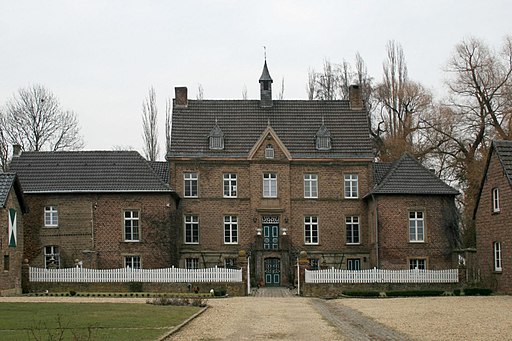
Burg Sievernich
Burg Sievernich perches atop a wooded ridge overlooking the Erft River valley, its ancient stones hinting at centuries of feudal power and rural community life. Though only fragmentary walls remain, the site conveys a layered narrative of medieval defense, noble residence and modern preservation. Today, hikers, history enthusiasts and families discover a tranquil ruin whose moss-clad foundations and panoramic outlooks reward every curious explorer.
Setting and Landscape
Ridgetop Location
Burg Sievernich occupies a strategic hill spur some 250 meters above sea level. From this vantage point, defenders once surveyed the fertile Erft floodplain and the winding trade route that connected the Rhineland towns. The ridge’s basalt bedrock provided solid foundations for stone walls, while steep forested slopes deterred assault.
Surrounding Woodland and Trails
Encircling the ruin, mixed stands of beech, oak and spruce create a shifting palette of greens in summer and amber hues in autumn. A network of waymarked hiking trails links Sievernich to neighboring villages and valley viewpoints. Informational panels along the main path guide walkers through local ecology, pointing out ancient hornbeam coppices and wildflower meadows below.
Historical Background
Early Foundations in the High Middle Ages
The first fortifications at Sievernich likely emerged in the early 12th century under a minor knightly family seeking to control river crossings. Initially built of timber on a motte-and-bailey model, the stronghold quickly evolved into stone by mid-12th century. A rectangular keep and curtain wall enclosed an inner ward where stables, workshops and granaries supported daily life.
Expansion and Peak Influence
By the 14th century, the lords of Sievernich had strengthened their holdings with additional towers and a fortified gatehouse. A dry moat and outer bailey expanded the castle’s defenses. During this period, Sievernich hosted regional councils and provided refuge to surrounding villagers in times of conflict.
Wars, Decline and Abandonment
The early 17th century brought turmoil from the Thirty Years’ War. Mercenary armies marched through the region, and Sievernich endured sieges and occupations that fractured its defenses. After the conflict, the noble line faced financial strain and opted for more comfortable valley estates. The hilltop castle was gradually abandoned, and its stones were repurposed by villagers in nearby farmhouses.
Romantic Rediscovery and 20th-Century Conservation
The 19th-century Romantic movement cast the ruin as a picturesque landmark. Artists sketched its ivy-clad walls against misty dawn vistas, inspiring local landowners to stabilize remaining masonry. In the 1970s, a volunteer society cleared overgrowth, reconstructed fallen sections of curtain wall and installed secure walkways to preserve fragile features for visitors.
Architectural Features
The Remaining Keep
The central keep stands as the most prominent relic, its lower courses rising three meters above ground. Thick basalt blocks interspersed with limestone dressing reveal multiple construction phases. Arrow slits and a surviving garderobe chute testify to the keep’s defensive and domestic functions.
Curtain Walls and Corner Towers
Traces of two semicircular corner towers remain at the northeast and southwest angles of the castle perimeter. Their foundations illustrate how curved walls deflected artillery and enabled enfilading fire along the curtain. Masonry fragments show decorative patterns where dressed stones alternated with rougher rubble core.
Gatehouse and Entrance Causeway
Visitors reach the core via a stone causeway spanning the inner ditch. The reconstructed gatehouse features twin pilasters flanking a pointed arch, where portcullis grooves still mark the original defense. A wooden bridge replicates the former drawbridge, aligning with putlog holes that once supported hoarding walkways.
Subterranean Cistern and Cellars
Beneath the courtyard floor lies a vaulted cistern carved into native rock. Rainwater collected through lead-lined channels fed by roof gutters ensured a secure supply during sieges. Adjoining vaulted cellars once stored grain and salted meats; their cool interior now hosts interpretive displays and occasional wine tastings.
Exploring Burg Sievernich
Hiking Routes and Panorama Points
Three primary hiking loops converge at the ruin: a gentle two-kilometer family trail, a four-kilometer nature path and a more challenging six-kilometer ridge hike. Each offers distinct vistas—river meadows, distant eucalyptus groves and basalt outcrop overlooks. A timber bench on the southern parapet provides a favored spot for photographers at sunset.
Self-Guided Tours and Interpretation Panels
A series of weather-resistant panels recount Sievernich’s story, from motte origins to modern revival. Detailed site plans illustrate vanished structures, while artifact replicas—arrowheads, pottery and iron rivets—invite visitors to touch pieces of the past. A self-guided booklet, available at the nearby visitor kiosk, leads families through an interactive treasure hunt.
Guided Workshops and Demonstrations
Local heritage groups offer weekend workshops in medieval crafts. Blacksmiths demonstrate forging nails and horseshoes, while stonemasons teach basic lime-mortar pointing techniques. Archery instructors set up targets on the lower terrace, giving children hands-on experience with replicas of period bows.
Cultural Events
Medieval Fair and Living History
Each July, Burg Sievernich hosts a two-day medieval fair. Costumed reenactors display falconry, weaving and leatherworking in themed encampments. A mock siege on the outer bailey culminates in a theatrical surrender, while musicians play lutes and hurdy-gurdies beneath the curtain wall.
Autumn Harvest Festival
In October, the ruin’s woodlands become the setting for a harvest festival celebrating local gastronomy. Hunters bring smoked game, beekeepers offer wildflower honey and vintners pour young terroir wines. Fire pits roast chestnuts, and storytelling circles share Eifel legends under candlelit canopies.
Winter Lantern Walks
During Advent weekends, a lantern-lit trail winds through frosted trees to the castle ruins. Visitors carry handcrafted paper lanterns, pausing at warmed stations for mulled apple cider. Acoustic ensembles perform medieval carols in the gatehouse vault, creating an intimate holiday atmosphere.
Surrounding Attractions
Village of Kirspenich
Just a two-kilometer stroll from the ruin lies Kirspenich, a village of half-timbered houses and a 17th-century church. A family-run bakery on the village square bakes rye loaves in a wood-fired oven each morning. A small museum inside the former schoolhouse displays regional folk costumes and agricultural implements.
Erft River Valley
The nearby Erft River offers canoe rentals and riverside trails lined with meadows and hedgerows. Birdwatchers may spot kingfishers, herons and migrating ducks in spring and autumn. Picnic spots beneath ancient oaks provide tranquil settings for relaxation after a castle visit.
Rhine-Eifel Nature Park
A short drive leads into the Rhine-Eifel Nature Park, where volcanic lakes and basalt crags form dramatic landscapes. Well-marked cycling and hiking routes traverse crater rims and lead to scenic overlooks of the Rhine plain. Guided geology tours explain how molten rock shaped the terrain that supported Burg Sievernich’s stone walls.
Practical Visitor Information
Getting There
Burg Sievernich lies off the L246 road between Zülpich and Ernzen. Free parking is available at the trailhead in Kirspenich village, marked by a wooden information board. Regional bus services connect Zülpich station to Kirspenich; from there, the uphill hike takes thirty minutes.
Opening Hours and Admission
The ruin and grounds remain open from dawn until dusk year-round, free of charge. The visitor kiosk at the trailhead operates April through October, offering maps, guidebooks and local produce. Special guided tours, workshops and event tickets can be reserved online or purchased onsite.
Amenities and Accessibility
Public restrooms and picnic tables stand at the trailhead car park. A seasonal refreshment stand opens on weekends, serving cold drinks, pastries and artisan sausages. While paths to the outer bailey are wheelchair-accessible, the inner ward’s uneven stone causeway and steps present challenges; staff can provide assistance upon request.
Visitor Tips
Wear sturdy footwear for gravel paths and mossy stones, especially after rain when surfaces become slippery. Bring binoculars for views of peregrine falcons nesting on distant cliff faces. Early morning or late afternoon visits yield the best light for photography and quieter surroundings. Respect signage around fragile masonry and refrain from climbing on unstable walls.
Conclusion
Burg Sievernich may stand in quiet solitude today, but its ruinous silhouette and panoramic vistas embody a vivid tapestry of medieval life, wartime drama and modern conservation. Whether you seek adventurous hikes, hands-on history experiences or serene moments amid forested hills, this intimate Eifel stronghold rewards every visitor with glimpses of a storied past set against enduring natural beauty.
.jpg)