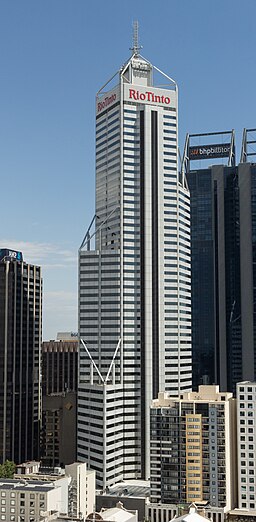
Central Park
Central Park (Perth) is conceived as an urban landmark that redefines how a city integrates green spaces with modern built environments. Located in the heart of Perth, Western Australia, this project envisions a sprawling mixed‐use development that combines commercial, residential, leisure, and cultural spaces, all centered around a lush, expansive park area. The design promotes an active, community‐oriented lifestyle while seamlessly integrating state‐of‐the‐art technical innovations with environmental stewardship.
By creating a harmonious balance between natural landscapes and built form, Central Park (Perth) aspires to set new standards in urban planning and sustainable design, reinforcing Perth’s commitment to future‐ready, livable cities.
Architectural Design and Urban Integration
Design Philosophy and Aesthetic Inspirations
At the core of Central Park (Perth) lies a design philosophy inspired by the organic forms of nature intertwined with the sharp precision of modern architecture. The pavilion‐style structures that line the park are envisioned as fluid, dynamic forms that evoke the gentle undulations of the Swan River while embodying sleek, contemporary aesthetics. The use of transparent and reflective materials in facade systems creates vivid interactions of light and shadow, symbolizing the interplay between nature and human ingenuity.
The project incorporates art deco accents alongside sustainable modernism, resulting in a visual language that celebrates both heritage and progress. This blend underscores an architectural narrative grounded in local culture and global innovation.
Urban Context and Integration
Central Park (Perth) is designed as a connective tissue within the urban fabric of the city. Strategically positioned near major transport hubs and the bustling Central Business District, it functions as an accessible green lung for residents and visitors alike. Thoughtfully planned pedestrian routes, cycle pathways, and integrated transit nodes ensure that the development is not only a destination but also a vibrant corridor that boosts local accessibility.
Public plazas, immersive landscaping, and interactive water features invite community engagement, enabling the project to serve as a cultural and recreational magnet while upholding its technical and environmental commitments.
Technical Parameters and Engineering Details
Central Park (Perth) is engineered to meet the highest standards of safety, efficiency, and comfort. Below are key technical parameters and the corresponding engineering innovations that make the project a modern marvel.
Structural and Dimensional Specifications
This mixed‐use complex is comprised of several interconnected high‐rise towers set around a central landscaped park. The design parameters are tailored to address both functionality and aesthetic excellence.
| Parameter | Specification/Description |
|---|---|
| Overall Height | 249 meters (Antenna spire) |
| Floor Count | 51 floors in high‐rise towers; multiple podium levels |
| Total Floor Area | 66,500 m2 |
| Facade Material | High‐performance glass, composite panels, and aluminum cladding |
| Seismic and Wind Load | Engineered to withstand Category 4 wind speeds and regional seismic activity |
These parameters ensure that the development meets international building codes while supporting a vibrant, multi‐functional environment.
Structural Systems and Foundation
Core Structural Design
Central Park (Perth) relies on a robust core and outrigger system, where reinforced concrete cores provide the primary load-bearing support for the high-rise towers. Complementary outrigger trusses extend outward to distribute lateral forces from high winds and potential seismic disturbances. Ultra‐high‐performance concrete (UHPC) and high‐tensile steel elements further enhance structural integrity and longevity.
Foundation Techniques
Given Perth’s varied soil conditions, the project employs deep pile foundations that extend to stable strata, including bedrock where necessary. This method not only secures the massive weight of the structure but also minimizes settlements over time, ensuring long-term durability even under dynamic urban conditions.
Vertical Transportation Systems
Efficient vertical mobility is critical in a development of this scale. The design incorporates:
- High-Speed Elevators: Featuring destination dispatch technology that facilitates smooth, efficient transfers between floors.
- Double-Decker Elevators: Optimized for high-density zones, these systems reduce wait times during peak hours.
- Sky Lobbies: Strategically placed transfer points that improve traffic flow across various blocks within the complex.
These systems together ensure that occupants can move intuitively and quickly, significantly enhancing the overall user experience.
HVAC and Mechanical Systems
To ensure comfort and sustainability, Central Park (Perth) integrates advanced mechanical systems:
- Zoned Climate Control: Independent zones adjust to varying occupancy patterns using feedback from intelligent sensors that monitor temperature, humidity, and light levels.
- Energy Recovery Ventilators (ERV): These systems harness waste heat to improve building energy efficiency, reducing overall power consumption without sacrificing occupant comfort.
- Advanced Filtration: Integrated air purification systems ensure the highest indoor air quality standards, balancing modern comfort with health imperatives.
Sustainability and Energy-Efficient Technologies
Driving the design is a commitment to sustainability and energy efficiency. Every element of Central Park (Perth) is crafted to reduce environmental impact and promote a healthier urban ecosystem.
Green Building Design and Materials
The project aspires to achieve LEED Platinum and other international green certifications by leveraging:
- Recycled Construction Materials: Incorporating recycled steel, glass, and sustainably sourced composites to minimize the carbon footprint during construction.
- Low-Emissivity Façade Systems: These reduce solar heat gain while maximizing natural daylight—a critical factor in lowering cooling loads and enhancing occupant well-being.
- Bioclimatic Design: Orientation and layout maximize natural ventilation and daylight, reducing reliance on mechanical systems and artificial lighting.
Renewable Energy Integration
Central Park (Perth) aims to be a net-zero energy development by integrating renewable energy features throughout its design:
- Photovoltaic Panels: Embedded in the building facades and rooftop structures to harvest solar energy, significantly contributing to the project’s power needs.
- Wind Turbines: Discreetly installed on select high-rise elements capture breezes at elevated levels, converting wind energy directly into electricity.
- Thermal Energy Storage: Advanced systems store excess energy during low-demand periods, balancing the energy grid and reducing peak load stresses.
Water Conservation and Waste Management
The development includes sophisticated systems designed to enhance resource efficiency:
- Rainwater Harvesting Systems: Capture and filter rainwater for irrigation, flushing, and landscape maintenance.
- Water Recycling Units: Treat wastewater onsite, converting it into non-potable water for landscaping and other secondary uses.
- Smart Waste Disposal: Automated waste segregation systems ensure that recyclables and organic matter are processed appropriately, reducing landfill contributions.
Technological Innovations and Building Amenities
Smart Infrastructure and IoT Integration
Central Park (Perth) is more than a static structure—it is a smart, interactive environment powered by state-of-the-art technology:
- Integrated IoT Sensors: A network of digital sensors continuously monitors energy use, structural health, and environmental conditions, enabling predictive maintenance and dynamic system adjustments.
- Building Management Platforms: Centralized control systems optimize HVAC, lighting, security, and elevator operations in real time, ensuring operational efficiency and reduced energy losses.
Safety, Security, and Emergency Systems
Ensuring the safety of occupants is paramount:
- Advanced Security Protocols: Biometric access systems, AI-driven surveillance cameras, and integrated alarm systems work in concert to monitor and protect every access point.
- Redundant Backup Systems: Emergency power and fire suppression systems are integrated at multiple levels, guaranteeing functionality even under adverse conditions.
- Smart Evacuation Routes: Digital wayfinding solutions guide occupants along optimized escape paths during emergencies, enhancing overall safety protocols.
Community-Focused Amenities
Beyond technical excellence, Central Park (Perth) nurtures a sense of community through thoughtfully designed amenities:
- Public Plazas and Cultural Spaces: Designed to host community events, art installations, and markets, these spaces offer residents a venue for cultural exchange and social interaction.
- Recreational Areas: Lush green gardens, jogging trails, and interactive water features provide residents with both physical activity and mental rejuvenation—an oasis amidst urban bustle.
- Retail and Dining: A curated mix of boutique retail spaces, high-end restaurants, and cafes enrich the local experience, blending commerce with community life.
Economic, Social, and Environmental Impact
Urban Revitalization and Economic Benefits
The Central Park (Perth) project is expected to serve as an economic catalyst:
- Job Creation: During construction and as an ongoing operating hub, the project will create thousands of jobs, driving economic activity within the region.
- Business Attraction: Its modern infrastructure and vibrant community spaces make it a compelling destination for multinational businesses and startups alike.
- Tourism Boost: As a new icon in the city’s skyline and green heart, it is poised to become a major attraction, encouraging tourism and cultural exchange.
Environmental and Social Sustainability
Environmentally, the project sets new benchmarks:
- Reduced Carbon Footprint: Through smart energy management and renewable energy use, the development minimizes greenhouse gas emissions.
- Enhanced Urban Biodiversity: The central park area is designed to foster urban wildlife and greenery, creating natural corridors amid concrete jungles.
- Social Cohesion: Mixed-use spaces and public arenas encourage community interaction and cultural inclusivity, reinforcing a sense of belonging and urban identity.
Construction Timeline and Future Milestones
A phased construction approach will ensure that Central Park (Perth) meets all quality, safety, and environmental standards:
- Phase 1 – Urban Planning & Design Validation: Detailed feasibility studies, community consultations, and obtaining necessary government approvals.
- Phase 2 – Core Structural Build and Infrastructure Installation: Erection of the foundational systems, high-rise cores, and vertical mobility systems, with tight quality control standards.
- Phase 3 – Facade Installation and Interior Fit-Out: Deployment of energy‐efficient façade systems, installation of technological infrastructures, and interior finishes tailored for mixed uses.
- Phase 4 – Integrated Testing and Commissioning: Full system testing—covering HVAC, security, and renewable energy systems—to ensure performance meets or exceeds design specifications.
With a projected timeline spanning 5–7 years from groundbreaking to full fruition, the project embraces not only sturdy construction techniques but also continuous technological upgrades as innovations emerge in the urban sector.
Conclusion: Pioneering Urban Futures
Central Park (Perth) is more than an architectural undertaking—it is a testament to what is achievable when environmental sustainability, cutting-edge technology, and community-centric design converge. This ambitious development reflects a future where urban spaces become living, breathing entities that enrich both the economy and the human spirit. As Perth continues to evolve and expand, Central Park stands poised to set a global benchmark for urban excellence, transforming city living into an interactive, sustainable, and inspiring experience.
