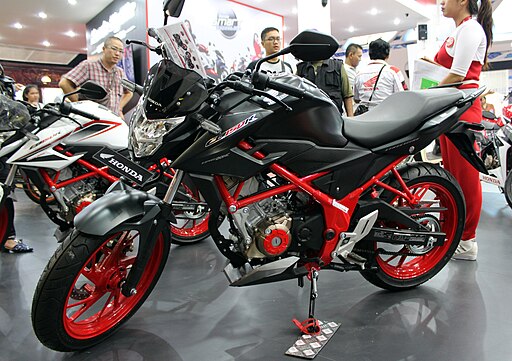
Honda CB150R Streetfire
The Honda CB150R Streetfire stakes its claim in the competitive 150 cc naked-bike segment by marrying sporty aggression with everyday practicality. Introduced in 2012 and continually refined through subtle facelifts, the CB150R appeals to riders seeking a compact, lightweight machine that delivers crisp throttle response, agile handling, and modern styling. Whether you commute through city traffic or carve back roads on weekends, understanding its technical parameters helps appreciate how Honda engineers balance performance, efficiency, and rider comfort in this pocket racer.
Heritage and Model Evolution
Origins of the Streetfire Nameplate
The “Streetfire” moniker first appeared on Honda’s regional models to designate naked-bike variants of sportier siblings. With minimal bodywork and an upright riding position, the CB150R evolved from the fully-faired CBR150 lineup, inheriting a retuned engine and stiffer chassis while shedding weight.
Generational Updates
• First generation (2012–2015): Introduced a 149.4 cc single-cylinder engine, LED tail lamp, and alloy wheels.
• Mid-cycle facelift (2016): Revised headlight design, updated digital instrument cluster, and inverted front forks for sharper handling.
• Latest iteration (2019–present): Tighter Euro-3 compliance, minor ECU recalibration for smoother torque delivery, and refreshed color graphics to keep the styling fresh.
Each update fine-tunes the balance between everyday usability and sporty thrills, cementing the CB150R Streetfire as a top contender in its class.
Engine and Performance
Core Specifications
| Parameter | Specification |
|---|---|
| Engine type | Single-cylinder, 4-stroke, DOHC |
| Displacement | 149.4 cm³ |
| Bore × Stroke | 57.3 mm × 57.8 mm |
| Compression ratio | 10.4 : 1 |
| Fuel system | PGM-FI electronic fuel injection |
| Cooling | Liquid-cooled |
| Power output | 16.9 PS (12.5 kW) @ 9 000 rpm |
| Torque | 13.8 Nm @ 6 500 rpm |
Honda’s DOHC head and four-valve layout optimize breathing across the rev range, while the PGM-FI system keeps fueling precise and emissions in check.
Power Delivery and Character
With peak torque arriving at a moderate 6 500 rpm, the CB150R offers an engaging mid-range punch for brisk urban acceleration and effortless overtakes. The engine revs cleanly to its 11 000 rpm redline, rewarding riders who exploit the full band—yet it remains tractable at low speeds for smooth stop-and-go commuting.
Transmission and Final Drive
Six-Speed Gearbox
– Gear ratios: 1st: 2.65 2nd: 1.94 3rd: 1.48 4th: 1.23 5th: 1.06 6th: 0.89 – Clutch: Wet multi-plate, cable-actuated
The closely spaced first four gears ensure lively take-off, while the tall sixth gear keeps highway revs low for reduced vibration and improved fuel economy.
Chain Drive
A low-maintenance O-ring chain and 14T front/43T rear sprocket combination deliver efficient power transfer. Final-drive ratio balances acceleration with a comfortable cruising speed in the sixth gear.
Chassis, Suspension, and Handling
Frame Geometry
| Parameter | Value |
|---|---|
| Frame type | Steel diamond |
| Wheelbase | 1 305 mm |
| Rake | 25.5° |
| Trail | 89 mm |
The compact diamond-frame design provides torsional rigidity for precise steering inputs while keeping overall weight low.
Front Suspension
– Type: 31 mm inverted telescopic forks – Travel: 130 mm
Upgrading to upside-down forks in the facelift improved front-end feel, reduced unsprung weight, and inspired greater confidence under braking.
Rear Suspension
– Type: Pro-link monoshock with preload adjustment – Travel: 120 mm
A seven-stage preload collar allows riders to fine-tune rear sag according to cargo load or solo riding, ensuring balanced chassis attitude through corners.
Brakes and Wheels
Braking Hardware
– Front: 276 mm single hydraulic disc, two-piston caliper – Rear: 220 mm single hydraulic disc, single-piston caliper – Optional: Combined Braking System (CBS) links front and rear for more stable stops when using only one lever
Responsive braking feel and ample disc surface area yield strong, confidence-inspiring deceleration across varied conditions.
Wheel and Tire Specification
– Wheels: 17″ 10-spoke aluminum alloys – Front tire: 100/80-17 – Rear tire: 130/70-17
The tire sizes strike a balance between nimble turn-ins and mid-corner grip, catering to both urban and canyon-road riding styles.
Dimensions, Weight, and Capacity
| Parameter | Specification |
|---|---|
| Overall length | 1 960 mm |
| Overall width | 770 mm |
| Overall height | 1 040 mm |
| Seat height | 795 mm |
| Ground clearance | 165 mm |
| Kerb weight | 137 kg (with all fluids) |
| Fuel tank capacity | 12 L (incl. 2 L reserve) |
A compact silhouette and light weight translate into effortless maneuverability in tight traffic, while a healthy 12 L tank yields a real-world range of 350–400 km.
Fuel Economy and Environmental Performance
Thanks to its efficient PGM-FI system and tall top-gear ratio, riders can expect around 35–40 km/L under mixed riding conditions. Honda’s adherence to Euro-3 and regional emission standards keeps exhaust emissions and noise levels compliant without sacrificing sporty character.
Ergonomics and Rider Comfort
Riding Position
The CB150R’s slightly forward-leaning stance melds an aggressive posture with everyday comfort. Wider handlebars grant leverage, while mid-mounted footpegs allow a natural bend at hips and knees. A slim tank profile provides grip for the lower body and eases movement when negotiating quick direction changes.
Seat and Passenger Provisions
A stepped, two-piece seat offers distinct perches for rider and pillion. Moderate foam density ensures long-ride comfort, and integrated grab rails improve passenger confidence. Dual rear footpegs fold away neatly when not in use.
Instrumentation and Connectivity
Digital LCD Cluster
– Speedometer & odometer – Dual trip meters – Gear position indicator – Fuel gauge – Real-time and average fuel consumption
A modern display packs abundant data into a compact pod, keeping eyes focused on the road.
Lighting and Signals
Full LED lighting (headlight, tail, and turn signals) enhances visibility and cuts down on electrical load. A clear-lens LED tail lamp delivers a distinctive “afterburner” signature at night.
Maintenance and Service Intervals
Routine Checks
– Oil and filter change: Every 4 000 km – Valve clearance inspection: Every 12 000 km – Air filter service: Every 6 000 km or sooner in dusty environments – Chain lubrication and tension: Every 1 000 km – Brake fluid replacement: Every 2 years
Ownership Highlights
Honda’s global parts network and straightforward single-cylinder mechanics keep running costs low. Highly durable components—from the robust frame to the dependable PGM-FI engine—deliver rock-solid reliability and strong resale value.
Conclusion
With its lean diamond frame, high-revving 149.4 cc DOHC engine, and agile suspension, the Honda CB150R Streetfire commands respect in the 150 cc segment. Whether darting through urban congestion or exploring winding country roads, it offers a compelling blend of performance, efficiency, and everyday usability. Dive into its technical virtues—smooth power delivery, nimble chassis geometry, and modern features like LED lighting and digital instrumentation—and you’ll understand why Streetfire remains a top choice for riders seeking a true modern-naked experience in compact form.
