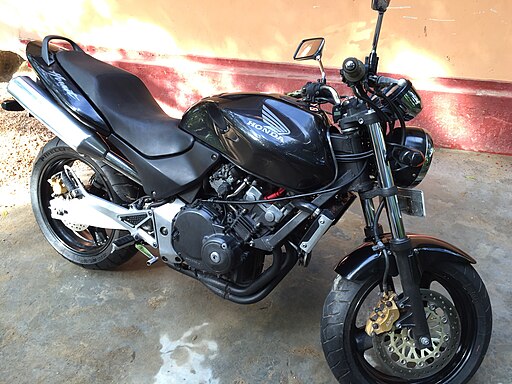
Honda CB250F
The Honda CB250F strikes a captivating balance between classic styling and spirited performance. Built for riders seeking a lightweight, nimble machine with just enough punch for both urban jaunts and relaxed highway cruises, the CB250F blends timeless aesthetics with reliable engineering. Its approachable 249-cc parallel-twin engine, versatile chassis, and manageable ergonomics have made it a beloved option for beginners and seasoned enthusiasts alike.
Historical Background
Genesis of the CB250F
Launched in the early 1980s, the CB250F expanded Honda’s CB lineup by offering a twin-cylinder alternative to the ubiquitous singles of the era. Drawing on lessons from larger CB models, Honda engineers focused on delivering refined power delivery, crisp handling, and low maintenance demands in a compact package.
Evolution and Market Impact
Through its production run, the CB250F saw incremental updates to graphics, seat trim, and minor chassis tweaks, yet its core architecture remained largely unchanged. Its combination of six-speed flexibility, modern disc braking, and twin-cylinder smoothness set new standards in the 250-cc segment, influencing rival manufacturers and inspiring a generation of small-displacement twin motorcycles.
Design and Ergonomics
Styling Cues
The CB250F embodies the quintessential roadster silhouette: a sculpted fuel tank flows into a stepped dual-seat, while a short side-cover emphasizes the exposed twin-cylinder engine. Chrome-plated exhaust headers wrap neatly under each cylinder, exiting into twin mufflers that balance volume with understated flair. A round headlamp, slim fenders, and minimal bodywork complete its timeless appearance.
Rider Comfort
An upright handlebar position, moderate 780-mm seat height, and centrally-mounted footpegs create a neutral posture that minimizes fatigue. The seat’s gentle contour accommodates two riders comfortably, and its slight rise at the pillion area offers added support. Narrow waistlines at the tank allow easy ground reach, enhancing rider confidence at stops.
Engine and Powertrain
Parallel-Twin Configuration
At the heart of the CB250F sits a 249-cc air-cooled, SOHC parallel-twin with eight valves. Its 53-mm bore and 56.6-mm stroke optimize a broad torque curve, while light reciprocating mass ensures eager throttle response. A compression ratio of 9.0 : 1 strikes a balance between performance and everyday rideability.
Fuel Delivery and Ignition
Dual 24-mm Mikuni carburetors feed each cylinder, featuring pilot-jet circuits for smooth low-speed operation and jets sized for crisp midrange thrust. An electronic CDI ignition guarantees reliable spark timing under all conditions, reducing fouling and improving cold-start behavior.
Transmission and Final Drive
A six-speed constant-mesh gearbox delivers precise ratios for quick launches and relaxed cruising. The shift linkage offers positive, well-spaced engagement through each gate. Power travels to the rear wheel via an O-ring–sealed chain, combining efficiency with extended service intervals.
Chassis and Suspension
Frame Architecture
A tubular steel twin-cradle frame cradles the engine as a stressed member, blending rigidity with controlled flex. Its geometry—25° rake and 95 mm trail—promotes stable high-speed performance while retaining agile turn-in characteristics.
Front Suspension
Conventional 35-mm telescopic forks provide 130 mm of travel, tuned for a supple yet controlled ride. Fork spring rates and damping strike a compromise between bump absorption and corner-entry precision.
Rear Suspension
Dual coil-spring shocks with five-position preload adjustment and 120 mm of travel let riders fine-tune rear compliance. The rising-rate linkage enhances comfort under light loads and prevents bottoming during more aggressive maneuvers.
Braking and Wheels
Braking System
Up front, a 275-mm hydraulic disc brake with a two-piston caliper offers confident stopping power and linear lever feel. The rear drum brake (130 mm diameter) delivers predictable modulation, complementing the front without overwhelming novice riders.
Wheel and Tire Setup
Cast aluminum rims in 18-inch diameter cradle 3.00–18 front and 3.50–18 rear tires. This combination maintains nimble steering responses, sufficient side-wall compliance, and a contact patch well-suited to mixed road surfaces.
Electrical and Instrumentation
Lighting and Charging
A 12 V, 10 Ah battery pairs with a stator output of roughly 150 W at 5,000 rpm. Halogen headlamp and incandescent indicators provide balanced illumination and easy bulb replacement. The electrical system permits modest accessory loads—think heated grips or auxiliary lamps—without significant voltage sag.
Instrument Cluster
Twin analog gauges—speedometer and tachometer—flank a central panel housing indicator lamps for neutral, high beam, turn signals, and oil pressure. A small odometer/trip counter resides within the speedometer dial for basic distance tracking.
Performance and Handling
Weighing in at approximately 140 kg (curb), the CB250F feels light on its feet yet planted through corners. Its 26 hp output at 10,000 rpm and 21 Nm of torque at 8,000 rpm deliver enough performance to cruise at 100 km/h without feeling strained. The engine’s smooth midrange encourages roll-on acceleration, while the chassis rewards confident rider inputs with precise feedback and minimal nervousness.
Maintenance and Service
Routine service on the CB250F remains straightforward:
- Engine oil and filter change every 5,000 km
- Valve clearance inspection every 10,000 km
- Carburetor sync and cleaning every 12,000 km
- Chain lubrication and tension check every 1,000 km
- Brake fluid replacement every 24 months
Generous parts availability and clear service access keep ownership costs modest.
Technical Specifications
| Specification | Detail |
|---|---|
| Engine Displacement | 249 cc |
| Engine Type | Air-cooled, SOHC, parallel twin, 8-valve |
| Bore × Stroke | 53 mm × 56.6 mm |
| Compression Ratio | 9.0 : 1 |
| Carburetors | Mikuni BS24 mm (dual) |
| Ignition | Electronic CDI |
| Transmission | 6-speed constant mesh |
| Final Drive | O-ring chain |
| Frame | Tubular steel twin cradle |
| Front Suspension | 35 mm telescopic fork, 130 mm travel |
| Rear Suspension | Dual shocks, adjustable preload, 120 mm travel |
| Front Brake | 275 mm disc, two-piston caliper |
| Rear Brake | 130 mm drum |
| Front Tire | 3.00–18 |
| Rear Tire | 3.50–18 |
| Wheelbase | 1,295 mm |
| Seat Height | 780 mm |
| Fuel Capacity | 14 L |
| Curb Weight | 140 kg |
| Top Speed | Approximately 145 km/h |
Conclusion
With its refined twin-cylinder engine, balanced chassis, and classic roadster appeal, the Honda CB250F remains a standout in the 250-cc class. Its blend of approachable power, precise handling, and simple maintenance continues to attract riders who value a rewarding yet practical motorcycling experience. Whether carving backroads or commuting through city streets, the CB250F delivers a spirited ride with enduring charm.
