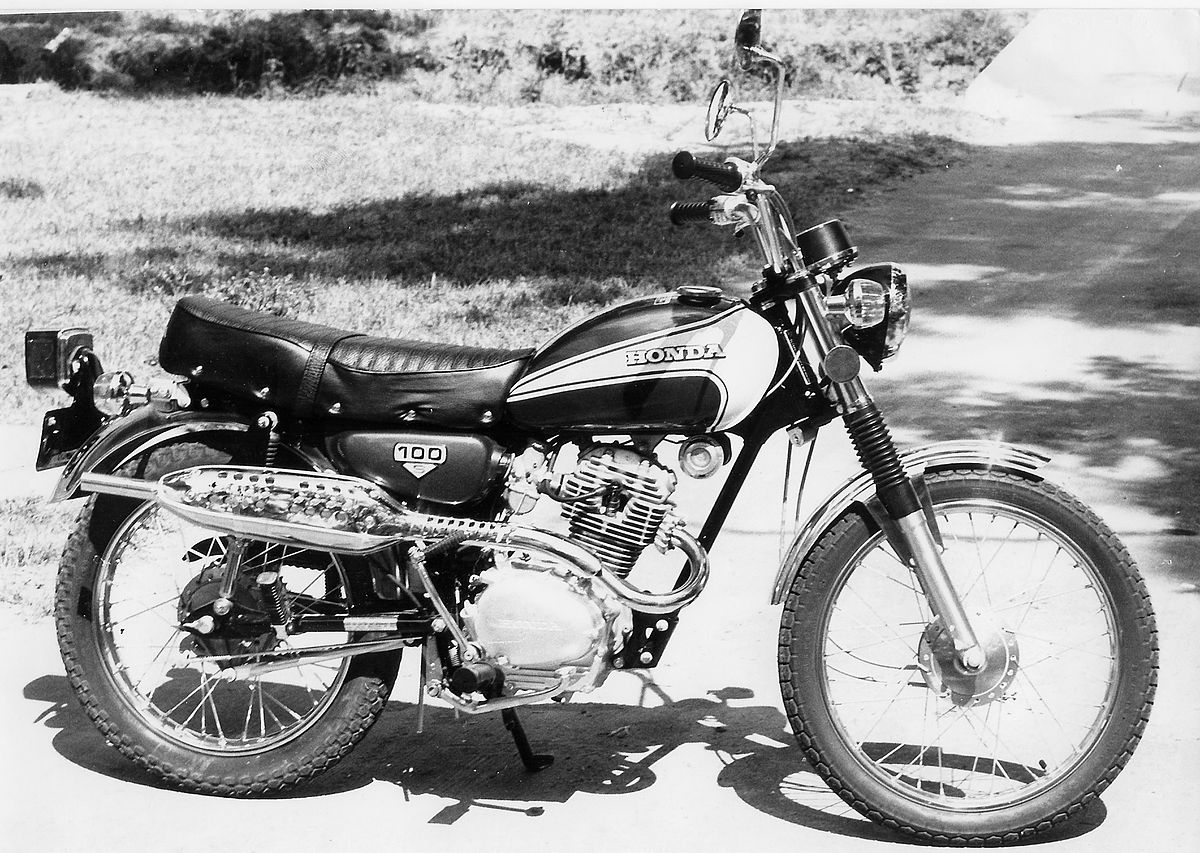
Honda CL100
The Honda CL100 was introduced as part of Honda’s effort to provide an affordable, reliable, and versatile motorcycle. Marketed as a dual-sport machine or “scrambler,” the CL100 was designed to excel in everyday commuting while maintaining the rugged charm needed for occasional adventures off the beaten path. Produced roughly between 1970 and 1973, this model set the tone for Honda’s later CL series and remains a cherished icon among vintage motorcycle enthusiasts.
The CL designation signified a dual-purpose intent, combining the spirited characteristics of a sport bike with the durability expected of a utility machine. Over the years, its straightforward engineering, low-maintenance design, and engaging performance have made it a favorite with both collectors and riders who appreciate its retro aesthetic and mechanical purity.
Engine and Powertrain
Engine Design and Specifications
At the heart of the Honda CL100 lies a 100‑cc single-cylinder, four-stroke engine built with an overhead camshaft (OHC) configuration. The engine’s displacement is typically noted around 99–100 cc, which, although modest, is finely tuned for a spirited riding experience. Key technical data include:
- Displacement: Approximately 99–100 cc
- Engine Type: Single-cylinder, four-stroke, OHC
- Power Output: Ranges between 11.5 and 12 PS (roughly 11–12 horsepower or about 8–9 kW) at peak revs
- Torque: Approximately 8.5 to 10 Nm, developing its maximum performance at around 9,000 rpm
- Cooling: Air-cooled design, which offers simplicity and reliable performance with minimal maintenance
This engine was engineered to be both economical and durable. Despite its small size, the high-revving nature of the CL100’s engine ensures a lively performance well suited for urban riding as well as tackling light trails.
Transmission and Drivetrain
Power from the engine is delivered to the road through an efficient and mechanically simple system:
- Transmission: A 5‑speed manual gearbox is typically found in the CL100. This provides a good blend of low-end torque and a flexible top-end for maintaining cruising speeds.
- Clutch: The wet, multi-plate clutch offers smooth engagement and reliable performance under various conditions.
- Final Drive: Power is transmitted via a conventional chain drive system, which has been celebrated for its durability and ease of repair in small-displacement motorcycles.
This drivetrain setup ensures quick, responsive shifts and contributes significantly to the bike’s overall nimble handling, making the CL100 an attractive option for riders seeking a straightforward and engaging ride.
Chassis, Suspension, and Braking
Frame and Overall Construction
The Honda CL100’s backbone is a pressed-steel frame—a design typical of its era. This construction method delivers both strength and low weight, which is paramount for maintaining agility:
- Frame Material: Pressed steel, combining robustness with ease of manufacture
- Design Philosophy: A simple yet functional framework that emphasizes durability, especially important given the dual-sport character of the bike
- Dimensions: The overall length is around 1820 mm, with a wheelbase of about 1215 mm. Compact proportions like these contribute to easy maneuverability, particularly in urban settings.
The frame’s uncomplicated design not only aids in maintenance and repair but also reinforces the timeless, utilitarian aesthetics that have become synonymous with classic Honda motorcycles.
Suspension and Wheels
Despite its simple construction, the CL100 incorporates a practical suspension system that manages both paved roads and light off-road conditions:
- Front Suspension: Conventional telescopic forks absorb road irregularities while providing adequate stability during cornering.
- Rear Suspension: Typically, the bike uses dual shock absorbers mounted on a simple swingarm. This setup helps cushion ride quality over uneven terrain.
- Wheels and Tires: The CL100 rides on wire-spoked wheels fitted with tires in sizes around 2.50‑18 (front) and 2.75‑18 (rear). These dimensions strike a balance between grip, durability, and the ability to handle occasional off-road surfaces.
Overall, the suspension is tuned to offer comfort without compromising the motorcycle’s character as an agile, dual-purpose machine.
Braking System
The braking system on the Honda CL100 is designed for reliability and ease of maintenance:
- Front Brakes: Drum brakes are employed at the front, providing predictable stopping power for the moderate speeds anticipated on this machine.
- Rear Brakes: Similarly, a drum brake system is used at the rear. While not as potent as modern disc brakes, they were adequate for the bike’s weight and performance levels.
- Safety Considerations: The braking setup is simple, which reduces the complexity of adjustments and repairs. This robust simplicity enhances overall rider confidence, especially given the bike’s dual-sport ambitions.
Design, Ergonomics, and Practical Features
Classic Styling and Bodywork
The visual design of the Honda CL100 reflects its dual-sport heritage, blending functionality with retro appeal:
- Aesthetic Appeal: The CL100 sports a rugged, yet streamlined body with minimalistic lines that have aged gracefully over time. Clean graphics and subtle chrome accents contribute to its timeless character.
- Fuel Tank and Badging: The fuel tank is both practical and visually appealing, typically featuring the Honda logo prominently. This reinforces the bike’s identity as a scrambler with both form and function in mind.
- Color Options: Many models were available in vibrant colors such as candy hues and metallic finishes, further accentuating its sporty yet utilitarian nature.
Ergonomics and Rider Comfort
Designed for everyday use, the CL100 offers a riding posture and overall layout that enhances comfort and control:
- Riding Position: An upright seating posture ensures good visibility and reduces rider fatigue, whether navigating busy streets or exploring rural roads.
- Seat Height: With a seat height around 760 mm, the bike accommodates a wide range of riders. This low-to-mid height supports confident handling while maintaining ease of mounting and dismounting.
- Control Layout: The instrument panel is kept simple with analog gauges displaying speed, engine RPM, and fuel level. The straightforward layout reinforces the bike’s focus on functionality over flash.
Fuel System and Practicality
Practicality was key in the design of the CL100:
- Fuel Capacity: The bike typically features a fuel tank capacity of around 7.5 liters, which is ample for daily commuting and short trips.
- Fuel Efficiency: Combined with the engine’s modest displacement and efficient design, the CL100 achieves excellent fuel consumption, making it an economical option for riders concerned with running costs.
Performance and Specifications
Acceleration and Top Speed
While the Honda CL100 is modestly powered, its lightweight design allows for spirited acceleration:
- Acceleration: The responsive engine and well-matched gearbox permit brisk acceleration, particularly noticeable in stop-and-go urban environments.
- Top Speed: With a top speed estimated at around 114 km/h (71 mph), the CL100 is more than capable for everyday riding scenarios, even if it isn’t geared for high-speed touring.
Overall Dimensions and Weight
Compact dimensions and a low curb weight are central to the CL100’s appeal:
- Weight: With a curb weight generally in the region of 90–92 kg (around 203 lbs), the motorcycle is extremely maneuverable.
- Dimensions: Its overall length (approximately 1820 mm), width (about 825 mm), and wheelbase (near 1215 mm) contribute to a stable yet agile handling character that is ideal for both urban and off-road settings.
Legacy and Impact
Historical Significance
The Honda CL100 holds an important place in the evolution of dual-sport motorcycles:
- Pioneering Dual-Sport Design: By offering a blend of on-road comfort and off-road readiness, the CL100 set a precedent for later scrambler models.
- Market Impact: Affordable, reliable, and versatile, it appealed to a broad audience at a time when motorcycles were a critical tool for both work and leisure. Its success helped solidify Honda’s reputation as a manufacturer committed to quality and innovation.
Collectibility and Enthusiast Appeal
Today, the CL100 is celebrated among collectors and restoration enthusiasts for its classic engineering and distinctive style:
- Restoration Projects: Its mechanical simplicity and robust construction make the CL100 an ideal candidate for restoration, ensuring that its legacy continues for future generations of motorcycle fans.
- Cultural Icon: Beyond its technical merits, the CL100 remains a symbol of an era when motorcycles were engineered with an emphasis on functional design and enduring reliability.
Conclusion
The Honda CL100 exemplifies Honda’s early mastery of motorcycle design—a practical, dual-purpose machine that balanced efficient performance with rugged versatility. Featuring a finely tuned 100‑cc, single-cylinder, four-stroke engine; a 5‑speed manual transmission; and a pressed-steel frame with simple yet effective suspension and braking systems, the CL100 remains an exemplar of classic engineering. Its timeless design, economical operation, and versatile nature have earned it a respected place among vintage motorcycles. For anyone interested in the heritage of dual-sport bikes, the Honda CL100 is a prime example of how simplicity, reliability, and thoughtful design can combine to create a machine that is both functional and iconic.