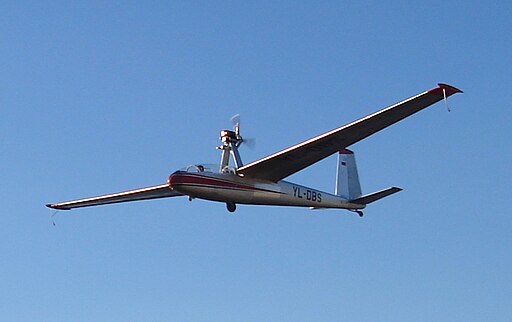
LET L-13 Blaník
LET L-13 Blaník – The Legendary Training Glider
The LET L-13 Blaník is one of the most successful and widely used two-seat gliders in the world. Developed in Czechoslovakia in the late 1950s by LET Kunovice, this aircraft quickly became the standard for glider pilot training across many countries. Its rugged aluminum construction, predictable flight characteristics, and exceptional glide performance make it an ideal choice for beginners and experienced pilots alike.
The L-13 Blaník has been used extensively by flight schools, aeroclubs, and military pilot training programs, and its reputation for durability and reliability remains unmatched.
History and Development of the L-13 Blaník
The L-13 Blaník was developed to meet the demand for a durable, easy-to-maintain, and cost-effective training glider. Prior to its introduction, most training gliders were made of wood and fabric, which required significant maintenance and had limited lifespans. The engineers at LET Kunovice designed the L-13 using a metal airframe, ensuring greater longevity and structural integrity.
The prototype first flew in 1956, and serial production began in 1958. Over the years, more than 2,600 units were built, making it one of the most widely produced gliders in aviation history. It was exported to over 40 countries, and many of these aircraft remain in operation today.
Technical Specifications of the LET L-13 Blaník
The L-13 Blaník is known for its sturdy metal construction, excellent glide ratio, and smooth flight characteristics. Below are its key technical specifications.
General Specifications
- Aircraft Type: Two-seat training glider
- Manufacturer: LET Kunovice (Czechoslovakia)
- First Flight: 1956
- Production Years: 1958–1978
- Number Built: Over 2,600
- Crew: 2 (Instructor and Student)
- Role: Pilot training, aerobatics, and gliding competitions
The side-by-side seating configuration provides excellent communication between instructor and student, making it an effective training platform.
Airframe and Structure
- Material: All-metal aluminum alloy construction
- Wingspan: 16.2 meters (53.1 feet)
- Length: 8.4 meters (27.6 feet)
- Height: 2.0 meters (6.6 feet)
- Wing Area: 19.15 square meters (206 square feet)
- Aspect Ratio: 13.7
- Empty Weight: 292 kg (644 lbs)
- Maximum Takeoff Weight (MTOW): 500 kg (1,102 lbs)
- Landing Gear: Retractable, non-powered main wheel
The high-aspect-ratio wings and all-metal airframe contribute to the glider’s durability, stability, and ease of maintenance. The retractable landing gear reduces drag during flight, improving glide performance.
Aerodynamic and Performance Characteristics
- Glide Ratio: 28:1 (At 80 km/h or 50 mph)
- Minimum Sink Rate: 0.85 m/s (167 feet per minute)
- Maximum Speed (Vne): 250 km/h (155 mph, 135 knots)
- Maximum Aerotow Speed: 150 km/h (93 mph, 81 knots)
- Stall Speed: 60 km/h (37 mph, 32 knots)
- G Limits: +5.3G / -2.65G
With a glide ratio of 28:1, the L-13 Blaník offers excellent soaring capabilities, making it suitable for both basic and advanced training, as well as cross-country flights.
Flight and Handling Characteristics
- Stable and forgiving flight controls – Ideal for beginners
- Easy stall recovery – Enhances pilot confidence and safety
- Responsive roll rate – Suitable for aerobatic maneuvers
- Good thermal soaring performance – Efficient for long-duration flights
The L-13 Blaník is renowned for its predictable handling, allowing students to develop strong flying skills before transitioning to higher-performance gliders.
Aerotow and Winch Launching
- Aerotow Launch Speed: 80-100 km/h (50-62 mph)
- Winch Launch Speed: 100-120 km/h (62-75 mph)
The Blaník can be launched using both aerotow and winch methods, making it versatile for various training environments.
Cockpit and Avionics
- Seating Configuration: Tandem (Instructor in rear, Student in front)
- Instruments Include:
- Airspeed Indicator
- Altimeter
- Vertical Speed Indicator (Variometer)
- Turn and Bank Indicator
- Compass
- Radio (Optional upgrade for communication)
The cockpit is designed to be simple and functional, ensuring ease of use for student pilots. Many aircraft have been upgraded with modern avionics to comply with current flight regulations.
Safety Features
- Reinforced Aluminum Structure: High durability and impact resistance
- Energy-Absorbing Seats: Reduce the impact of hard landings
- Automatic Leading-Edge Wing Slots: Improve stall recovery
- Stable Glide Performance: Enhances safety in emergency landings
The L-13’s rugged construction allows it to withstand heavy student use, making it a long-lasting training aircraft.
Variants of the L-13 Blaník
Several variants of the L-13 were developed to meet different needs:
- L-13A Blaník – Improved version with stronger wing spars
- L-13AC Blaník – Aerobatic version with reinforced airframe
- L-23 Super Blaník – A modernized version with a shorter wingspan and improved visibility
- L-33 Solo – A single-seat version for solo glider pilots
Advantages and Disadvantages of the L-13 Blaník
Advantages
✅ Durable Metal Construction – Lasts much longer than wooden gliders.
✅ Excellent Training Aircraft – Predictable handling, easy stall recovery.
✅ Good Aerobatic Capability – Can perform loops, rolls, and spins.
✅ Versatile Launching Methods – Compatible with both aerotow and winch launch.
✅ Cost-Effective to Maintain – Simple mechanical systems reduce maintenance costs.
Disadvantages
❌ Not the Best Glide Ratio – Falls short compared to modern fiberglass gliders.
❌ Heavier Than Composite Gliders – Slightly reduced efficiency in weak thermals.
❌ Limited Performance for Competition Flying – More advanced gliders outperform it in cross-country races.
Why is the L-13 Blaník Still Popular Today?
Despite newer composite gliders dominating the market, the L-13 Blaník remains a favorite due to its low cost, high durability, and forgiving handling. Many flight schools and aeroclubs still operate this aircraft because it provides one of the best learning experiences for new pilots.
Furthermore, restorations and avionics upgrades have kept the Blaník relevant, allowing it to remain a practical and valuable training aircraft.
Conclusion – A Timeless Classic in the Gliding World
The LET L-13 Blaník is an iconic glider that has trained thousands of pilots worldwide. Its combination of durability, safety, and excellent handling makes it one of the best training gliders ever produced.
For pilots looking for a reliable, cost-effective, and easy-to-fly glider, the L-13 Blaník remains an excellent choice, proving that great aircraft never go out of style.
