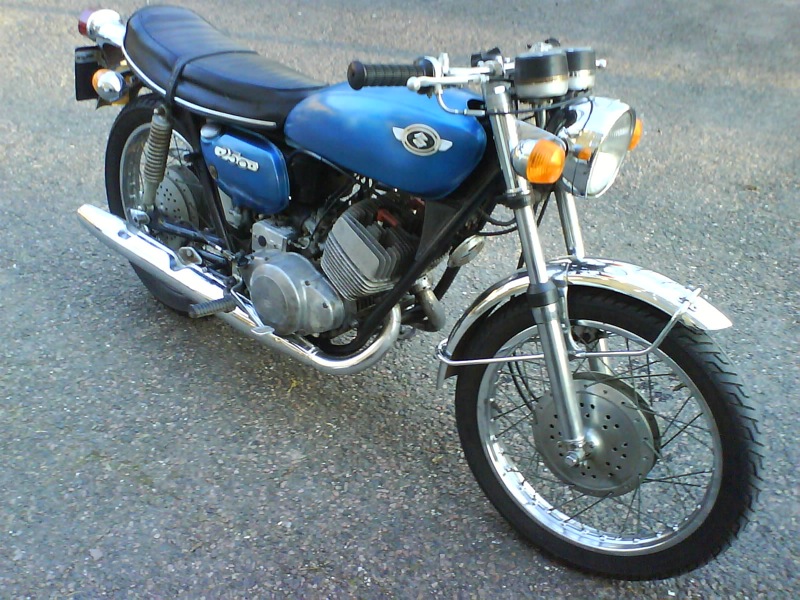
Suzuki T250
Suzuki T250: Detailed Overview of Technical Parameters and History
The Suzuki T250, also known as the Suzuki X6 Hustler, was a groundbreaking motorcycle produced by Suzuki in the mid-1960s. A part of Suzuki’s famed “two-stroke twin” lineup, the T250 was designed to be a high-performance, lightweight motorcycle that appealed to both beginners and experienced riders alike. As one of Suzuki’s most innovative models at the time, the T250 became a key part of the Japanese motorcycle manufacturer’s reputation for producing reliable, affordable, and fun-to-ride bikes.
In this article, we’ll dive deep into the history of the Suzuki T250, explore its technical parameters, and discuss why this model is still regarded as a classic today.
History of the Suzuki T250
Introduced in 1967, the Suzuki T250 was part of the company’s strategy to break into the highly competitive market of lightweight two-stroke motorcycles. At the time, Suzuki was focusing on creating motorcycles that were not only affordable but also provided a high level of performance, particularly in terms of speed and handling.
The T250 was designed as a 250cc two-stroke motorcycle, powered by a parallel twin-cylinder engine. This engine configuration provided a perfect balance of performance and efficiency, giving the bike enough power to compete with other motorcycles in the same category. The T250 was also marketed as a “sports bike,” targeting younger riders who were looking for an exciting, yet practical, motorcycle for everyday use.
One of the standout features of the Suzuki T250 was its lightweight and compact design, which made it highly maneuverable and easy to ride. This made it a popular choice for riders of all experience levels, from beginners to seasoned enthusiasts.
The T250 was part of the “Hustler” series, which included the Suzuki X6 (a variant of the T250), and was designed to appeal to the growing demand for faster, more agile motorcycles. The bike’s success can also be attributed to its blend of cutting-edge technology for the time, including the unique two-stroke engine and the appealing, minimalist aesthetics that became synonymous with Suzuki motorcycles in the 1960s.
Despite being discontinued in the early 1970s, the Suzuki T250 left an indelible mark on the motorcycle industry and is now considered a classic, often sought after by collectors and vintage motorcycle enthusiasts.
Technical Parameters of the Suzuki T250
The Suzuki T250 was a performance-oriented motorcycle, built for both speed and agility. It featured a number of advanced design elements for its time, particularly in terms of engine performance and handling capabilities. Let’s break down the key technical specifications of the T250.
Engine
- Engine Type: Air-cooled, 2-stroke, parallel twin-cylinder
- Displacement: 246 cc
- Bore x Stroke: 56.0 mm x 50.0 mm
- Compression Ratio: 6.8:1
- Fuel System: Twin Mikuni carburetors (28 mm)
- Power Output: Approximately 24 horsepower (17.9 kW) at 8,500 rpm
- Torque: 22.4 Nm (16.5 lb-ft) at 7,000 rpm
- Ignition Type: Transistorized ignition (points system for earlier models)
- Cooling System: Air-cooled
The engine of the Suzuki T250 was a two-stroke, parallel twin that utilized a simple but effective design. This engine provided a strong balance of power and efficiency, making it an excellent choice for both city commuting and longer, more spirited rides. The T250’s power output of approximately 24 horsepower was impressive for a motorcycle in the 250cc class at the time, allowing the bike to achieve speeds of up to 120 km/h (74 mph). The air-cooling system kept the engine temperature under control, and the twin Mikuni carburetors were responsible for delivering the right air-fuel mixture for optimal performance.
Transmission and Final Drive
- Transmission Type: 6-speed constant mesh
- Final Drive: Chain
The Suzuki T250 featured a 6-speed constant mesh transmission, which provided a smooth and responsive shifting experience. This was a significant upgrade compared to many other motorcycles in its class, which often had fewer gears. The 6-speed gearbox allowed for better power delivery at various speeds, providing the rider with more control in different riding conditions.
The final drive system was a chain, which was reliable and easy to maintain. The chain drive also helped to reduce the overall weight of the bike, contributing to the T250’s agility and nimbleness.
Chassis and Suspension
- Frame Type: Steel tubular frame
- Front Suspension: Telescopic fork, 6.5 inches (165 mm) of travel
- Rear Suspension: Dual shock absorbers, 4.7 inches (120 mm) of travel
- Front Brake: Drum brake, 180 mm
- Rear Brake: Drum brake, 180 mm
- Wheelbase: 1,295 mm (51 inches)
- Seat Height: 770 mm (30.3 inches)
- Dry Weight: 138 kg (304 lbs)
The chassis of the Suzuki T250 was designed to be lightweight and agile, making it easy to maneuver through tight corners and city traffic. The steel tubular frame was both sturdy and flexible, providing excellent handling and ride quality.
The front suspension consisted of a telescopic fork with 6.5 inches of travel, which offered solid damping performance and helped absorb road irregularities. The rear suspension used dual shock absorbers with 4.7 inches of travel, providing comfort while maintaining stability at higher speeds.
The braking system was equipped with drum brakes at both the front and rear, each with a 180 mm diameter. While drum brakes were common for motorcycles of that era, they provided sufficient stopping power for the T250, though they lacked the modern precision of disc brakes.
The T250’s wheelbase of 1,295 mm gave it a stable yet nimble feel on the road, and the relatively low seat height of 770 mm made it a good option for riders of varying heights.
Fuel and Economy
- Fuel Tank Capacity: 12 liters (3.2 US gallons)
- Fuel Consumption: Approximately 6.0 liters per 100 km (39 mpg)
The fuel tank capacity of 12 liters provided a reasonable range for long-distance riding, and the bike’s fuel efficiency—about 6.0 liters per 100 km—made the T250 an economical option for both daily use and weekend adventures. This efficiency, coupled with the relatively low weight and simple mechanics, contributed to the T250’s reputation as a practical and enjoyable motorcycle.
Electrical System
- Battery Type: 6V lead-acid
- Headlight: 12V halogen
- Taillight: 12V incandescent
The Suzuki T250 used a 6V electrical system, which was typical of motorcycles from that era. While not as powerful as modern electrical systems, the 6V setup was sufficient to power the bike’s lights, ignition system, and other electrical components. The bike featured a halogen headlight for better illumination during night rides, and the taillight was powered by a 12V incandescent bulb.
Performance and Riding Experience
The Suzuki T250 was known for its lively and spirited performance. The two-stroke engine provided quick acceleration and a thrilling ride, especially on twisty roads. The bike was light and agile, making it an excellent choice for riders looking for a fun and responsive motorcycle. Its six-speed gearbox allowed for smooth and seamless shifts, making it suitable for both city commuting and more aggressive riding.
The T250’s suspension, while not as sophisticated as modern systems, offered a comfortable ride on most roads, though it could feel a bit harsh on rougher surfaces. The drum brakes, while effective for their time, required more effort to operate compared to modern disc brakes, but they were adequate for everyday use.
Conclusion
The Suzuki T250, with its innovative two-stroke parallel twin engine, six-speed gearbox, and lightweight design, was a standout motorcycle in the 1960s. It offered an exciting and accessible riding experience for both novice and experienced riders, thanks to its balance of performance, affordability, and reliability.
Today, the Suzuki T250 is highly regarded by vintage motorcycle enthusiasts and collectors. Its place in Suzuki’s history as a breakthrough model is cemented by its combination of technological innovation and solid performance. For anyone looking to explore the classic Japanese motorcycles of the 1960s, the T250 remains a fantastic example of Suzuki’s commitment to quality and engineering excellence.
