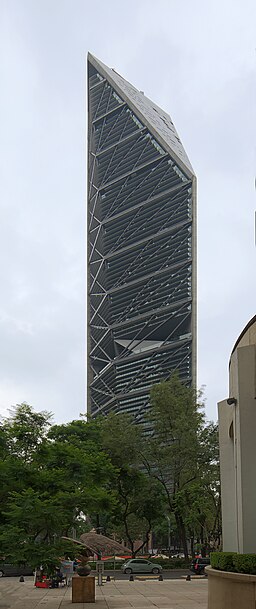
Torre Reforma: Mexico City’s Seismic-Resilient Skyscraper
Torre Reforma is a landmark of sustainable engineering and bold architectural expression in the heart of Mexico City. Towering over Paseo de la Reforma, this 246-meter-high structure is not only the tallest building in the city but also a benchmark for seismic resilience and environmental performance in Latin America.
Project Overview
Location and Urban Significance
- Address: Paseo de la Reforma 483, Cuauhtémoc, Mexico City
- District: Financial and cultural corridor of Mexico City
- Nearby Landmarks: Torre Mayor, Chapultepec Park, and several embassies
Torre Reforma is strategically positioned in one of the most dynamic and historically rich areas of the city, enhancing its visibility and accessibility.
Timeline and Development Team
- Construction Start: 2008
- Completion: 2016
- Architect: L. Benjamin Romano (LBR&A Arquitectos)
- Structural Engineering: ARUP and DITEC
- Developer: Fondo Hexa S.A. de C.V.
Technical Specifications
Key Dimensions
| Parameter | Value |
|---|---|
| Total Height | 246 meters (807 feet) |
| Floors Above Ground | 57 |
| Floors Below Ground | 13 |
| Gross Floor Area | ~86,000 m² |
| Primary Use | Class A+ Office Tower |
| Parking Capacity | ~1,100 spaces (mostly underground) |
Structural System
Torre Reforma’s structure is a marvel of seismic engineering, designed to withstand the intense tectonic activity of the Valley of Mexico.
- Core Structure: Two massive exposed concrete walls in triangular form
- Lateral Stability: Reinforced concrete shear walls with seismic dampers
- Foundation: 60-meter-deep piles anchored in soft lakebed soil
- Tuned Mass Damper: Installed at the top to reduce wind and seismic sway
The triangular concrete walls act as both structural and architectural elements, giving the tower its iconic “open book” silhouette.
Architectural Design
Façade and Form
- Design Language: Brutalist minimalism with sculptural geometry
- Materials: Exposed concrete, high-performance glass, and steel
- Façade Features:
- Double-skin glass curtain wall for thermal regulation
- Rotated glass façade for optimal views of Chapultepec Park
- Sloped façade beginning at 200 meters to comply with zoning laws
The building’s asymmetrical form is not only visually striking but also functionally optimized for wind and seismic loads.
Interior Layout and Amenities
- Office Floors: Column-free, flexible layouts with 4-meter ceiling heights
- Vertical Clusters: Organized into 14 four-story “neighborhoods”
- Common Areas:
- Triple-height indoor gardens
- Conference and event spaces
- Fitness center and wellness zones
- Ground-floor retail and dining
The integration of natural light and greenery enhances occupant well-being and productivity.
Vertical Transport and Circulation
Elevator System
- Total Elevators: 27 high-speed lifts
- Speed: Up to 6.8 m/s
- Zoning: Separate shafts for low, mid, and high-rise zones
- Fire Safety: Pressurized shafts and refuge areas on each floor
The elevators are managed by an intelligent dispatch system that minimizes wait times and energy use.
Sustainability and Environmental Performance
Torre Reforma is the first skyscraper in Mexico to achieve LEED Platinum certification, reflecting its commitment to sustainability.
Green Features
- Water Management:
- 100% reuse of rainwater and greywater
- Gravity-fed water tanks for emergency use
- Energy Efficiency:
- 25% lower energy consumption than comparable towers
- Natural ventilation and daylighting strategies
- Materials:
- Low-emission interior finishes
- Locally sourced concrete and steel
- Smart Systems:
- Building Management System (BMS) for lighting, HVAC, and security
- Automated shading and lighting controls
Cultural Integration and Heritage Preservation
A unique aspect of Torre Reforma is the preservation of a historic early 20th-century house on the site:
- Casa Austin: A heritage building integrated into the tower’s lobby
- Engineering Feat: The house was hydraulically relocated during construction and returned to its original position
- Function: Now serves as a retail and cultural space
This fusion of old and new reflects the building’s respect for Mexico City’s architectural legacy.
Safety and Seismic Innovations
Given Mexico City’s seismic vulnerability, Torre Reforma incorporates advanced safety features:
- Seismic Dampers: Reduce lateral movement during earthquakes
- Flexible Concrete Walls: Designed to bend and absorb energy
- Open Ground Floor: Allows structural movement during seismic events
- Emergency Systems:
- Fire-resistant refuge zones
- Redundant power and water systems
These measures make Torre Reforma one of the safest high-rises in the region.
Conclusion
Torre Reforma is more than a skyscraper—it’s a statement of resilience, innovation, and cultural continuity. With its bold design, cutting-edge engineering, and deep respect for its urban context, it stands as a model for sustainable high-rise development in seismic zones. As Mexico City continues to grow vertically, Torre Reforma will remain a beacon of what’s possible when architecture and engineering work in harmony.
