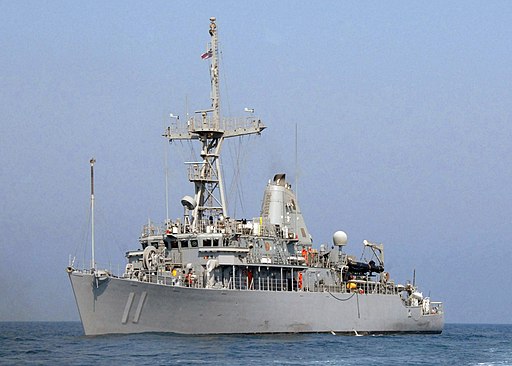
USS Gladiator (MCM-11)
The USS Gladiator (MCM-11) stands as a remarkable example of modern naval engineering, specifically designed to meet the evolving challenges of mine countermeasures. As one of the advanced vessels in its class, the Gladiator plays a pivotal role in ensuring the safety of naval fleets by detecting, classifying, and neutralizing underwater mines. This article explores the rich history, sophisticated design, operational milestones, and future prospects of the USS Gladiator, highlighting its critical contribution to maritime security.
Historical Background
The Evolution of Mine Countermeasure Vessels
The need for specialized mine countermeasure (MCM) vessels emerged during periods of heightened naval conflict, when mines posed a serious threat to military and commercial shipping alike. Over the decades, naval strategists and engineers developed increasingly sophisticated methods to detect and neutralize these hazards. The USS Gladiator was conceived during this era of rapid technological advancement, representing a significant leap forward in mine warfare capabilities.
Early Developments and the MCM Concept
Historically, mines have been a cost-effective and potent means of area denial. Early countermeasure efforts relied on rudimentary detection methods and manual demining operations. The shift toward mechanized, sensor-driven approaches in the latter half of the 20th century led to the birth of dedicated mine countermeasure vessels. The USS Gladiator was built on the foundation of these innovations, incorporating lessons learned from earlier conflicts and experiments.
The Role of USS Gladiator in Naval Strategy
The USS Gladiator (MCM-11) was commissioned as part of a broader strategy to modernize the U.S. Navy’s mine warfare capabilities. Its deployment underscored a commitment to protecting critical sea lanes and ensuring that naval operations could proceed without the constant threat of mine-related disruptions. As global maritime threats evolved, so too did the strategic importance of vessels like the Gladiator, making them indispensable assets in both peacetime and conflict.
Design and Capabilities
Hull Design and Structural Integrity
The USS Gladiator features a state-of-the-art hull design that minimizes magnetic and acoustic signatures. These design considerations are crucial for mine countermeasure vessels, as many modern mines are triggered by the specific signatures emitted by a ship. The Gladiator’s composite construction and advanced materials provide superior stealth characteristics, enhancing its survivability in hostile environments.
Advanced Materials and Engineering Techniques
Engineers employed lightweight composites and specially treated alloys in the construction of the USS Gladiator. These materials not only reduce the vessel’s detectability but also contribute to enhanced durability and resistance against explosive shocks. The resulting hull structure is robust, yet agile, allowing the vessel to maneuver quickly during operations.
Propulsion and Power Systems
Efficiency and reliability are paramount in the design of modern naval vessels. The Gladiator is powered by advanced propulsion systems that ensure quiet operation—a key factor in mine countermeasures missions. Its propulsion design reduces noise levels and minimizes the acoustic signature, thereby lowering the risk of triggering acoustic-sensitive mines.
Quiet Propulsion for Enhanced Stealth
The ship’s propulsion system incorporates innovations such as sound-dampening technology and low-vibration engines. These features allow the Gladiator to operate in close proximity to potential minefields without compromising its stealth profile. The combination of speed, maneuverability, and low noise emissions is a testament to the vessel’s cutting-edge design.
Mine Countermeasures Systems
At the heart of the USS Gladiator’s mission is its suite of mine countermeasure systems. These include advanced sonar arrays, remotely operated vehicles (ROVs), and unmanned underwater systems that work in concert to detect and neutralize mines.
Integrated Sensor Suites
The Gladiator is equipped with high-resolution sonar and advanced imaging systems capable of scanning vast underwater areas with remarkable precision. This sensor suite enables the vessel to detect both moored and bottom mines, providing critical data that informs demining operations. The integration of multiple sensor types allows for a comprehensive understanding of the underwater environment, which is essential for effective mine clearance.
Remotely Operated and Unmanned Systems
In addition to its sensor capabilities, the USS Gladiator utilizes ROVs and unmanned underwater vehicles (UUVs) to perform mine neutralization tasks. These systems allow the crew to conduct dangerous operations remotely, minimizing risk to personnel. The use of robotic systems represents a significant technological advancement in mine countermeasures, enabling more precise and safer operations in contested environments.
Operational History
Deployment and Missions
Since its commissioning, the USS Gladiator (MCM-11) has participated in a variety of missions, ranging from routine training exercises to high-stakes operational deployments. Its operational history highlights the vessel’s versatility and the critical role it plays in maintaining maritime security.
Training and Readiness Exercises
Regular training exercises are conducted to ensure that the crew remains proficient in the use of advanced mine countermeasure systems. These exercises simulate real-world scenarios, testing the vessel’s capabilities in detecting and neutralizing mines under diverse conditions. The rigorous training regimen reinforces the readiness of the USS Gladiator and its crew, ensuring that they can respond swiftly and effectively in crisis situations.
Notable Operations and Field Deployments
The USS Gladiator has been deployed in regions known for heightened mine threats, contributing to international efforts to secure vital sea lanes. Its participation in joint exercises with allied navies has fostered interoperability and shared expertise among nations. Through these operations, the Gladiator has demonstrated its effectiveness in a variety of maritime environments, underscoring its strategic value in modern naval warfare.
Crew and Training
The Role of the Crew
The success of the USS Gladiator’s missions depends largely on the skill and dedication of its crew. Navy personnel assigned to the vessel undergo specialized training to handle the sophisticated technology and complex operational procedures associated with mine countermeasures. Their expertise in navigation, sensor operation, and ROV deployment is critical to the success of each mission.
Continuous Professional Development
To keep pace with rapidly evolving technological advances, the crew participates in ongoing professional development and training programs. These initiatives ensure that they remain at the forefront of mine countermeasure tactics and are well-prepared to operate state-of-the-art systems. The commitment to continuous improvement is a cornerstone of the vessel’s operational philosophy.
Technological Innovations
Integration of Modern Systems
The USS Gladiator embodies the integration of cutting-edge technology with practical naval operations. Its systems are continually upgraded to incorporate the latest advances in sensor technology, robotics, and communication systems. This proactive approach to modernization ensures that the vessel remains effective against emerging mine threats.
Upgradable Architecture
One of the most impressive aspects of the Gladiator’s design is its modular architecture, which allows for the seamless integration of new technologies. This upgradable approach means that the vessel can adapt to future requirements without the need for extensive structural modifications. It is a forward-thinking design choice that positions the USS Gladiator as a long-term asset in naval operations.
Unmanned Underwater Vehicles and Remote Sensing
The Role of UUVs in Modern Mine Warfare
Unmanned underwater vehicles (UUVs) are a critical component of the USS Gladiator’s mine countermeasures capabilities. These autonomous systems can conduct detailed surveys of minefields, relay high-definition imagery, and even deploy neutralization charges—all without risking human lives. Their deployment has revolutionized the approach to mine clearance operations.
Advances in Remote Sensing Technology
Remote sensing technologies employed by the USS Gladiator have seen significant advancements in recent years. Enhanced imaging systems and real-time data processing capabilities allow for quicker and more accurate identification of underwater hazards. These technological innovations not only increase operational efficiency but also contribute to the overall safety of naval operations.
Strategic Importance and Future Outlook
Evolving Naval Threats
The modern naval battlefield is constantly evolving, with new threats emerging as technology advances. Mines remain a persistent challenge, and vessels like the USS Gladiator are at the forefront of addressing these dangers. As adversaries develop more sophisticated mine technologies, the importance of agile and technologically advanced MCM vessels continues to grow.
Adaptive Strategies for Future Conflicts
The evolving nature of mine warfare requires continuous adaptation. The USS Gladiator is a prime example of how the U.S. Navy is preparing for future conflicts by investing in platforms that are both versatile and resilient. By staying ahead of emerging threats, the Gladiator ensures that naval operations can proceed with minimal disruption.
Modernization Efforts and Future Upgrades
Planned Technological Enhancements
Looking forward, plans are in place to further modernize the USS Gladiator’s systems. Future upgrades may include even more advanced sensor arrays, enhanced data analytics capabilities, and improvements in unmanned vehicle performance. These enhancements will ensure that the vessel remains a cutting-edge tool in the arsenal of mine countermeasure vessels.
Strategic Partnerships and Research Initiatives
The development of next-generation mine countermeasure technologies often involves close collaboration between the military, research institutions, and industry partners. These strategic partnerships are essential for driving innovation and ensuring that vessels like the USS Gladiator continue to evolve in response to global security challenges.
Conclusion
The USS Gladiator (MCM-11) is much more than a ship—it is a symbol of modern naval ingenuity and strategic foresight. From its innovative design and advanced mine countermeasure systems to its robust operational history, the Gladiator plays a critical role in ensuring the safety and effectiveness of naval operations. As maritime threats continue to evolve, the ongoing modernization and adaptation of vessels like the USS Gladiator will remain central to maintaining secure and navigable seas for generations to come.
