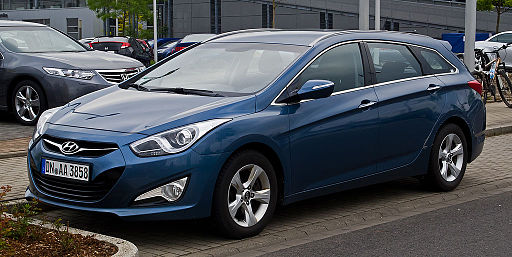
Hyundai i40 faults
The Hyundai i40 is generally known for being a reliable and comfortable vehicle, but like any car, it can experience certain faults and malfunctions, especially as it ages. Here are some common issues reported by Hyundai i40 owners:
- Electrical Issues:
Some i40 owners have reported electrical problems, including issues with the central locking system, malfunctioning windows, and problems with the dashboard display. Occasionally, the car’s lighting system may also fail, such as headlights or indicator lights going out without warning. - Diesel Particulate Filter (DPF) Problems:
For diesel models, issues with the Diesel Particulate Filter (DPF) are common. If the DPF becomes clogged, it can lead to a loss of power, higher fuel consumption, and the activation of warning lights on the dashboard. This typically requires cleaning or, in some cases, replacement of the DPF. - Power Steering Failures:
Some owners have reported problems with the power steering, especially in earlier models. The steering may become stiff or noisy, which could be indicative of issues with the power steering pump, electric power steering motor, or fluid levels. - Suspension Wear:
The suspension system can wear out over time, especially with higher-mileage i40s. Symptoms of suspension issues include noises such as knocking or clunking when driving over bumps, or a general decrease in ride comfort. Worn-out shock absorbers, struts, or suspension bushes may need to be replaced. - Turbocharger Failures:
In turbocharged engine variants, the turbocharger is sometimes prone to failure, particularly if regular maintenance, such as oil changes, is not adhered to. Symptoms can include a loss of power, unusual noises from the engine, or a lack of responsiveness when accelerating. - Clutch Problems (Manual Transmission):
Some i40 owners with manual transmissions have experienced clutch-related issues, such as difficulty shifting gears, a slipping clutch, or excessive clutch pedal travel. This could be due to issues with the clutch master cylinder or general wear and tear of the clutch components. - Engine Stalling and Misfires:
There have been reports of engine stalling or misfires in certain i40 models. This may be caused by faulty spark plugs, ignition coils, or issues with the fuel system such as clogged injectors. Regular maintenance of these components is crucial to avoid these issues. - Brake System Wear:
Worn brake components, such as brake pads and discs, are common on higher-mileage vehicles. In the i40, some owners have noticed that the brake pads wear out quicker than expected, or experience issues with brake performance, such as squeaking or reduced braking efficiency. - Air Conditioning Problems:
Some owners have encountered problems with the air conditioning system, such as a lack of cooling, strange smells, or failure to blow cold air. Issues could stem from leaks in the system, problems with the compressor, or a blocked air conditioning condenser. - Water Leaks:
Certain i40 models, particularly older ones, are prone to water leaks, usually around the door seals, window seals, or the sunroof (if equipped). Water ingress can lead to interior damage or the growth of mold and mildew. It’s important to check seals regularly, especially in used models. - Faulty Sensors and Warning Lights:
Malfunctioning sensors, such as the parking sensors, fuel sensors, or temperature sensors, are occasionally reported. This can lead to false warning lights on the dashboard or inconsistent vehicle behavior, such as incorrect fuel readings or unresponsive safety features like the parking sensors. - Excessive Oil Consumption:
Some Hyundai i40 models, particularly earlier production years, may experience excessive oil consumption. This issue can stem from worn piston rings or valve seals, which allow oil to leak into the combustion chamber. As a result, owners may need to top up oil levels more frequently than usual. - Transmission Issues:
Some owners have reported problems with the automatic transmission, including rough shifting, slipping, or failure to engage properly. This can sometimes be linked to low transmission fluid levels or a need for a transmission fluid change. In more severe cases, a full transmission rebuild may be necessary. - Timing Chain Issues (Petrol Engines):
For i40 models equipped with petrol engines, some owners have reported problems with the timing chain, including excessive noise or even failure. This can lead to engine damage, so it’s important to have the timing chain inspected and replaced at regular intervals, as per the manufacturer’s recommended maintenance schedule. - Rust and Corrosion:
While the Hyundai i40 is generally well-built, some owners have reported rust developing on certain parts of the car, particularly in areas like the wheel arches, undercarriage, and door sills. Regular cleaning and maintenance can help prevent corrosion, especially if the car has been exposed to harsh weather or salted roads.
While these issues are not necessarily widespread across all Hyundai i40s, they are worth keeping in mind when purchasing a used model. Many of these problems can be prevented or mitigated with regular maintenance, and buying a well-maintained used i40 can help avoid these issues. Always check the service history and ensure the car has been looked after properly to reduce the risk of encountering these common faults.
Hyundai i40 as a used car
Hyundai i40 as a Used Car: An In-Depth Buyer’s Guide
The Hyundai i40, a mid-size sedan and estate car, is a model that often flies under the radar when it comes to used car options. However, it has a lot to offer, especially for buyers looking for a practical, reliable, and affordable vehicle. Released initially in 2011, the i40 was designed to rival other mid-sized sedans and estates in the market, like the Ford Mondeo, Volkswagen Passat, and Skoda Superb. Known for its generous standard features, comfortable interior, and strong build quality, the i40 has earned a loyal following among drivers looking for a more budget-friendly alternative to its German counterparts.
If you’re considering purchasing a Hyundai i40 as a used car, it’s important to understand both its strengths and potential weaknesses. In this detailed guide, we’ll explore the pros and cons of the i40, its key features, common issues to watch out for, and everything you need to know before making a purchase.
Overview of the Hyundai i40
The Hyundai i40 was introduced to the European market in 2011 as a replacement for the Hyundai Sonata. It was available in two body styles: a four-door sedan and a five-door estate (wagon). The i40 aimed to combine Hyundai’s reliability with a more premium design and higher specification. The car is available with a range of petrol and diesel engines, offering something for most buyers in terms of performance and fuel economy. The sedan offers a more traditional saloon experience, while the estate provides additional practicality with its larger boot and greater versatility.
Throughout its production run, the i40 has received several facelifts and updates, with improvements in technology, comfort, and safety features. While the i40 was discontinued in many markets in the early 2020s, it remains a solid choice for used car buyers due to its strong value proposition.
Pros of Buying a Used Hyundai i40
- Value for Money:
One of the biggest selling points of the Hyundai i40 is its value for money. Compared to its rivals, it is often priced lower, yet it offers a comparable level of equipment, comfort, and features. As a used car, this means you can often get a well-specced and relatively new model at a more affordable price point than other mid-sized sedans or estates in the same class. - Reliability:
Hyundai has long had a reputation for building reliable cars, and the i40 is no exception. Many owners report that their i40s are trouble-free and run for years with minimal issues when properly maintained. The brand’s emphasis on quality control and the use of durable materials in manufacturing contribute to the car’s long-lasting performance. Additionally, Hyundai offers an impressive warranty, which, in the used car market, can provide peace of mind if there’s still coverage remaining. - Comfortable Ride:
The Hyundai i40 is designed for comfort, making it an excellent option for those who do a lot of highway driving or long-distance trips. The suspension is well-tuned to absorb bumps and road imperfections, and the cabin is quiet, providing a serene environment for passengers. The seats are supportive and offer plenty of adjustability, which can be a big benefit for drivers who spend long hours behind the wheel. - Decent Engine Range and Fuel Efficiency:
The i40 comes with a range of petrol and diesel engines, with the diesel options particularly popular due to their fuel efficiency. The diesel engines, especially the 1.7-liter CRDi variant, provide a good balance of power and economy, with some models achieving over 50 mpg on the combined cycle. The petrol engines are also relatively efficient, though the diesel models are generally the better option for buyers looking to save on fuel costs in the long run. - Spacious Interior:
The Hyundai i40 offers a spacious cabin, with plenty of room for both front and rear passengers. Whether you’re driving alone or with a full carload, the i40 provides ample legroom and headroom. For families, the rear seats are especially roomy, and the flat floor design makes it easier for rear passengers to stretch out. In the estate model, the boot space is even more impressive, offering excellent storage capacity for luggage, sports equipment, or other large items. - High Level of Standard Equipment:
Even older used i40 models come equipped with a good range of features, which make it feel like a premium vehicle. Standard features often include a touchscreen infotainment system, Bluetooth connectivity, automatic climate control, keyless entry, and alloy wheels. Higher trim levels may add leather upholstery, navigation, a panoramic sunroof, and advanced driver assistance systems like parking sensors and lane-keeping assist. - Safety Features:
Hyundai has made safety a priority in the i40, and the car is equipped with a wide array of safety features. Depending on the model year, the i40 may come with multiple airbags, anti-lock brakes (ABS), electronic stability control (ESC), traction control, and a host of active safety technologies. The i40 has also performed well in crash tests, earning high marks for occupant protection, which is a reassuring factor when buying a used car.
Cons of Buying a Used Hyundai i40
- Depreciation:
Like most Hyundai models, the i40 experiences fairly rapid depreciation. While this is great for buyers looking for a good deal on a used car, it also means the car’s resale value tends to be lower than some of its rivals. If you plan on selling the i40 after a few years, you may not recoup as much of your initial investment as you would with other premium brands like Audi or BMW. - Performance Isn’t Exciting:
While the Hyundai i40 offers a smooth and comfortable ride, it isn’t known for being particularly sporty or exciting to drive. The handling is competent, but it lacks the engaging driving dynamics that some of its competitors offer, such as the Ford Mondeo or the Volkswagen Passat. The steering is light, and while the car is stable, it’s not the most thrilling experience for those who prioritize driving pleasure. - Road Noise:
Some owners have noted that road noise can be a bit more noticeable in the i40, especially on faster roads or highways. While the car offers a comfortable and quiet ride in urban environments, higher speeds can result in an increase in tire noise and wind noise in the cabin, which may be a concern for those who often drive on motorways or long distances. - Interior Materials in Older Models:
While the i40’s cabin is spacious and comfortable, some of the interior materials in the earlier models (pre-2015) can feel a bit dated or cheap, especially compared to the more premium offerings in the market. Soft-touch plastics are limited, and some trim elements may feel less premium than in competitors like the Toyota Avensis or Ford Mondeo. - Limited Engine Options:
While the Hyundai i40 offers a solid range of engines, the options can be somewhat limited compared to some other models in the segment. If you’re looking for more powerful petrol engines or a hybrid variant, you might find the i40 lacking. The majority of used i40s will be equipped with diesel engines, with fewer options for those who want petrol power.
Common Issues to Watch Out For
While the Hyundai i40 is generally reliable, there are a few known issues to look out for when buying a used model:
- Electrical Failures:
Some i40 owners have reported issues with electrical components, such as the central locking system, windows, and dashboard lights. A thorough inspection of all electrical features is recommended before purchase to ensure everything is working as it should. - Clutch and Gearbox Issues (Manual Models):
Manual transmission i40s can sometimes experience issues with the clutch or gearbox. Symptoms include difficulty shifting gears or the clutch feeling “spongy.” If you’re considering a manual i40, be sure to check the clutch’s responsiveness and the smoothness of gear changes. - Diesel Particulate Filter (DPF) Problems:
For diesel models, the Diesel Particulate Filter (DPF) can clog over time, especially if the car is mainly used for short journeys. This can lead to reduced performance and an illuminated warning light. Be sure to check that the DPF has been regularly maintained, and consider opting for a car with higher mileage if you plan to use the car primarily for long-distance driving. - Suspension Wear:
Suspension components, particularly the shock absorbers and suspension bushes, can wear out with age. A clunking or knocking noise when driving over bumps could indicate a problem with the suspension. Have the suspension system inspected if you’re considering a higher-mileage i40. - Turbocharger Issues (Diesel Models):
In some diesel versions of the i40, the turbocharger may develop issues, especially if the car has not been maintained properly. Symptoms can include a loss of power or unusual whistling noises. A thorough inspection of the turbocharger and related components is advisable.
Final Thoughts
The Hyundai i40 is a solid choice for those seeking a reliable, well-equipped, and practical used car. It offers excellent value for money, a comfortable ride, and a good range of features, making it a competitive option in the mid-size sedan and estate market. While it may not be the most exciting car to drive or offer the same level of prestige as some European competitors, its overall practicality and dependability make it a smart choice for many used car buyers.
Before purchasing a used Hyundai i40, be sure to check the car’s service history, inspect the vehicle for any potential issues, and take it for a test drive. With the right care and attention, a used i40 can serve you reliably for many years, offering a comfortable and economical driving experience.
