Solar Impulse
Solar Impulse: Revolutionizing Solar-Powered Aviation
Solar Impulse stands as one of the most groundbreaking achievements in aviation history, demonstrating that clean, renewable energy can propel an aircraft around the globe. This ambitious project, driven by a vision of sustainable flight, combined innovative engineering, cutting-edge materials, and advanced solar technology. In this article, we delve into the technical parameters, design philosophy, and engineering marvels that make Solar Impulse a landmark in aerospace innovation.
Introduction
Solar Impulse was conceived with the goal of proving that it is possible to fly using only solar energy. The project aimed not only to break records but also to push the boundaries of efficiency and sustainability in aviation. By harnessing the power of the sun, the aircraft set new standards in energy efficiency and provided valuable insights into the potential of renewable energy systems.
Historical Background
The Solar Impulse project was initiated by a team of engineers and entrepreneurs who believed that sustainable technologies could transform transportation. The project progressed through several phases, with the most renowned version—Solar Impulse 2—making headlines for its successful circumnavigation of the globe. This journey was not only a demonstration of technical prowess but also a symbol of commitment to environmental responsibility.
Design Philosophy and Objectives
At its core, Solar Impulse was built around the principle of “less is more.” Every component of the aircraft was meticulously engineered to reduce weight while maximizing performance. The design team focused on several key objectives:
- Energy Efficiency: Maximize the conversion of solar energy into electrical power.
- Weight Reduction: Use lightweight composite materials such as carbon fiber to minimize structural mass.
- Reliability: Incorporate redundant systems and fail-safes to ensure safety during extended flights.
- Sustainability: Showcase that renewable energy can be both practical and efficient in high-demand applications like aviation.
Technical Specifications
Dimensions and Weight
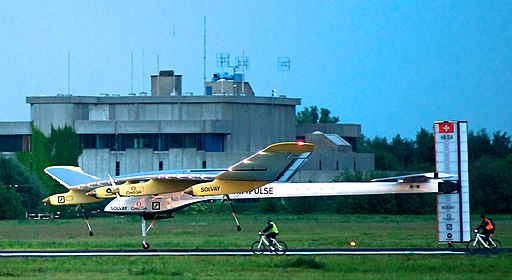
- Wingspan: Solar Impulse 2 features an impressive wingspan of approximately 72 meters (236 feet). The extended wings are crucial for maximizing solar panel surface area, which directly contributes to energy harvesting.
- Fuselage Length: The fuselage measures around 27 meters (89 feet) in length, providing a streamlined shape that minimizes aerodynamic drag.
- Maximum Takeoff Weight: The aircraft was designed to operate at an ultra-light weight—close to 2,300 kilograms (about 5,070 pounds)—a remarkable achievement given the extensive onboard systems and solar array.
Power System
- Solar Array: Covering the wings and parts of the fuselage, the solar array comprised more than 17,000 individual solar cells. These high-efficiency photovoltaic cells were carefully selected and arranged to capture maximum solar energy throughout the day.
- Electrical Power Output: At peak conditions, the solar panels produced roughly 3.5 kilowatts of electrical power. This energy was sufficient to power the onboard motors and recharge the batteries.
- Energy Storage: Solar Impulse was equipped with advanced lithium-polymer batteries, which stored energy collected during daylight hours. The battery system had a capacity in the range of 8–9 kilowatt-hours, enabling the aircraft to continue flying during periods of low sunlight, such as nighttime.
Propulsion and Aerodynamics
- Electric Motors: The aircraft was powered by high-efficiency electric motors designed specifically for low-speed, high-endurance flight. These motors provided the necessary thrust while maintaining a quiet and vibration-free operation.
- Aerodynamic Design: Every curve and surface of Solar Impulse was optimized for minimal drag. The aircraft’s sleek design, combined with the high aspect ratio of its wings, contributed to its ability to glide efficiently and maintain flight on limited power.
Materials and Structural Engineering
- Composite Materials: The extensive use of carbon fiber reinforced polymers was pivotal in keeping the aircraft light yet robust. These materials provided high strength-to-weight ratios, ensuring that the structure could withstand the stresses of long-duration flights.
- Modular Design: Key components of the aircraft, such as the solar panels, battery packs, and control systems, were designed to be modular. This approach allowed for easier maintenance and potential upgrades, ensuring that the technology could evolve with advances in material science and energy storage.
Flight Performance and Operational Highlights
Solar Impulse’s operational achievements were a testament to the viability of solar-powered flight. During its record-breaking journey, the aircraft demonstrated:
- Long-Duration Flight: Solar Impulse achieved flights that lasted several days and nights without refueling, relying solely on the stored solar energy.
- Energy Management: The intelligent power management system allowed the aircraft to balance energy consumption between propulsion, avionics, and battery charging. This system was essential for maximizing flight time and ensuring operational safety.
- Environmental Impact: By eliminating the need for fossil fuels, Solar Impulse produced zero emissions during flight. This accomplishment highlighted the potential for renewable energy to revolutionize not just aviation but the broader transportation sector.
Engineering Challenges and Innovations
Weight versus Power Trade-Off
One of the most significant engineering challenges was managing the trade-off between the weight of the solar panels and the available power. The design team had to ensure that the additional weight from the solar cells did not outweigh the benefits of increased energy capture. Through meticulous material selection and innovative structural design, the team achieved a balance that allowed the aircraft to remain airborne with minimal energy consumption.
Energy Storage and Efficiency
Storing energy in lightweight batteries presented its own set of challenges. The batteries needed to have a high energy density and be capable of rapid charge/discharge cycles without significant degradation over time. Advances in lithium-polymer battery technology were crucial in overcoming these hurdles, enabling Solar Impulse to store enough energy to power extended night flights.
Aerodynamic Optimization
The low-speed, high-endurance flight profile required an aircraft that could operate efficiently at slower speeds while still being robust enough to handle variable weather conditions. The long, slender wings not only maximized solar exposure but also provided a stable platform for gliding. Aerodynamic refinements, such as smooth surface finishes and carefully contoured fuselage shapes, minimized drag and contributed to the aircraft’s overall efficiency.
Impact on Aviation and Renewable Energy
Solar Impulse has had a profound impact on both the aviation industry and the broader field of renewable energy. Its successful demonstration of solar-powered flight has spurred interest in alternative propulsion systems and has inspired engineers and innovators worldwide. The project proved that:
- Sustainable Flight is Feasible: Even without conventional fuel, it is possible to achieve long-duration flight using renewable energy sources.
- Innovative Materials Matter: Advances in composite materials and energy storage technologies are key to overcoming the inherent challenges of renewable energy applications.
- Vision Drives Innovation: The ambitious goals of the Solar Impulse project pushed the boundaries of what was thought possible in aviation, paving the way for future research and development in sustainable transport.
Future Directions and Legacy
The legacy of Solar Impulse continues to influence research and development in both aviation and renewable energy. Future projects inspired by its success are exploring:
- Hybrid Systems: Integrating solar power with other renewable energy sources to create hybrid propulsion systems that can offer greater flexibility and efficiency.
- Improved Energy Storage: Research into next-generation batteries and supercapacitors aims to increase energy density and reduce weight further, enabling even longer and more reliable flights.
- Scaling Up: Concepts for larger, commercial solar-powered aircraft are under investigation, which could revolutionize the aviation industry by reducing dependency on fossil fuels and minimizing environmental impact.
Conclusion
Solar Impulse remains an enduring symbol of innovation and environmental stewardship. By successfully completing a global journey powered solely by the sun, it has challenged the status quo and opened new avenues for sustainable technology in aviation. The aircraft’s detailed technical parameters—from its expansive wingspan and high-efficiency solar array to its lightweight composite structure and advanced battery systems—highlight the ingenuity required to turn a visionary concept into reality. As the world continues to seek solutions for a greener future, the pioneering work of Solar Impulse serves as a beacon of what can be achieved through dedication, innovation, and a commitment to sustainability.
