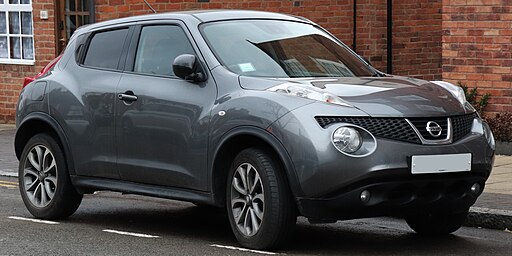
Nissan Juke faults
Common Nissan Juke Faults
Clutch and Hydraulic System Issues
One of the most frequently cited problems among manual transmission models is the clutch not returning fully after gear changes. This fault is often linked to a leak in the clutch master cylinder or a worn release bearing. Over time, the hydraulic system may also develop contamination or pressure issues, leading to premature clutch wear. Such symptoms not only make gear shifts feel rough and unresponsive but may also result in increased maintenance costs if not promptly addressed.
CVT and Transmission Troubles
For models equipped with a continuously variable transmission (CVT), drivers have reported shuddering, a jerky acceleration pattern, and, in some cases, unexpected stalling. In many instances, the problem arises from defective internal bearings within the transmission, which can compromise power delivery. With CVT repairs being particularly costly, owners of affected vehicles should consider having the transmission inspected by specialists familiar with Nissan’s dual-mode systems to avoid more expensive future failures.
Turbocharger Performance and Reliability
Turbocharged versions of the Juke, especially those using the 1.2 DIG-T and 1.6 DIG-T engines, have shown signs of underperformance related to the turbo system. A common symptom is a noticeable loss of power accompanied by unusual grinding or whistling noises and, at times, excessive exhaust smoke. The issues can stem from a blocked oil feed, sensor malfunctions, or general turbo wear. Maintaining a strict oil change regimen and careful monitoring of engine performance can help mitigate these problems before serious damage occurs.
Timing Chain and Engine Noises
Some early Nissan Juke models, particularly those with the 1.2-litre petrol engine, have been reported to have loose or noisy timing chains. This issue can manifest as a rattling noise during idling or under acceleration. If left unchecked, a faulty timing chain could lead to incorrect engine timing, misfires, or even catastrophic engine failure. Owners should listen for any persistent abnormal sounds and ensure that the maintenance history includes checks or replacements of the timing chain if needed.
Oxygen Sensor and Emission Control Faults
A number of owners have highlighted issues with oxygen sensors, which play a crucial role in managing the engine’s fuel-to-air ratio. Faulty sensors can trigger the engine management system into a limp mode, reduce power output, and impair fuel economy. Given the importance of maintaining optimal engine performance and minimizing emissions, addressing oxygen sensor faults promptly is essential. In many cases, a sensor replacement or a repair to the wiring and connectors can resolve the problem swiftly.
Electrical System and Battery Drain
Electrical gremlins seem to be a recurring theme with some Nissan Juke models. Problems such as rapid battery drainage, malfunctioning power windows, intermittent door locks, or even issues with the onboard computer systems have been noted by several owners. These issues are often due to faulty wiring, sensor failures, or problems with control modules. Regular electrical system checks and prompt attention to any warning signals on the dashboard can help avoid more complex and expensive repairs later on.
Fuel Return Pipe and DPF Blockages (Diesel Models)
Among owners of 1.5 dCi diesel models, fuel return pipe leaks have occasionally been reported. This fault can result in inconsistent fuel delivery and, in some cases, might trigger performance issues or fuel economy setbacks. Additionally, diesel particulate filters (DPF) can become clogged, especially in vehicles predominantly used for short trips where the filter does not get a chance to regenerate fully. Both issues emphasize the need for regular servicing and careful monitoring of the vehicle’s fuel system and emissions apparatus.
Air Conditioning (AC) and HVAC Malfunctions
The Nissan Juke’s air conditioning system, while generally adequate for urban climates, has been known to falter over time. Owners have reported a failure to cool efficiently, which can be traced back to issues with the compressor, refrigerant leaks, or sensor faults within the HVAC system. A failing AC unit not only affects cabin comfort during warmer months but can also indicate broader electrical or mechanical wear within the system. Routine diagnostic checks and timely recharging of the refrigerant may help extend the life of the AC system.
Electronic Stability and Sensor-Related Warnings
Another issue encountered by some Juke owners is the intermittent appearance of the electronic stability control (ESP) warning light. This can be caused by various sensor errors, sometimes linked to issues with the exhaust manifold pressure sensor or even problems with the brake system sensors. An illuminated warning light should prompt a thorough check by a professional to ensure that the vehicle’s safety systems are fully operational. Addressing these alerts early can prevent potential degradation in overall handling and safety performance.
Final Thoughts
While the Nissan Juke is celebrated for its distinctive design and practicality in urban settings, these common faults remind us that even the most appealing vehicles require careful and ongoing maintenance. Whether you’re a prospective buyer eyeing a used Juke or a current owner looking to stave off more serious issues, understanding these problem areas can help you negotiate repairs (or purchase decisions) with a more informed perspective. Regular servicing, paying attention to early warning signs, and engaging with trusted mechanics are key to enjoying the quirky character of the Nissan Juke without the unwelcome surprises.
Nissan Juke as a used car
The Nissan Juke has long stood out in the subcompact crossover market with its bold styling and distinctive design language. As a used car, the Juke presents a compelling option for urban drivers and those seeking character combined with efficiency. With a career stretching from its original launch to modern reinterpretations in the Juke II series, this model has evolved technically while maintaining its quirky appeal. In this article, we will explore every aspect—from engine options and transmission setups to interior dimensions and safety systems—so you can make an informed decision when considering a Nissan Juke for your next purchase.
Evolution of the Nissan Juke
Over the years, Nissan has refined the Juke with several generations and facelifts.
- First Generation (circa 2010 – 2014/2019): Known for its original design cues, the Juke I offered a range of petrol and diesel engines. Enthusiasts could choose between a naturally aspirated 1.6-liter engine or a turbocharged variant delivering punchier performance.
- Second Generation (Juke II, 2019 – Present): With modern updates such as a 1.0 DIG-T engine, improved driving dynamics, and updated interiors, the Juke II caters to those seeking advanced technology and improved fuel efficiency—all while retaining the individuality that defines the Juke.
Each generation tells a story of incremental improvement in both design and performance, leaving a distinct footprint in the used car market.
Technical Specifications
Engine and Performance
Engine Options and Their Specifications
The Nissan Juke offers a variety of powertrains that cater to different driving needs. Below is an overview of the common engine variants:
- 1.6-Liter Petrol (Naturally Aspirated / Turbocharged):
- Displacement: Approximately 1,598–1,618 cc
- Power Output: Ranges from around 117 HP in the base models to up to 190 HP in turbocharged variants
- Torque: Typically between 147 Nm (base) and 200 Nm (turbo)
- 1.5 dCi Diesel:
- Displacement: Approximately 1,461 cc
- Power Output: Around 110 HP
- Torque: Generally offers higher torque, ideal for fuel economy and long-distance cruising
- Juke II 1.0 DIG-T Petrol:
- Displacement: 999 cc (3-cylinder)
- Power Output: 114 HP @ 5000 rpm
- Torque: 200 Nm @ 3000 rpm
A quick comparison can be seen in the table below:
| Engine Variant | Displacement | Power | Torque |
|---|---|---|---|
| 1.6-Liter Petrol (Base) | ~1,598 cc | ~117 HP | ~147 Nm |
| 1.6-Liter Petrol Turbo | ~1,618 cc | ~190 HP | ~200 Nm |
| 1.5 dCi Diesel | ~1,461 cc | ~110 HP | (High torque for diesel applications) |
| Juke II 1.0 DIG-T Petrol | 999 cc | 114 HP | 200 Nm |
These engine choices allow prospective buyers to balance performance with fuel efficiency according to their driving style.
Transmission and Drivetrain
The Juke’s power is delivered through various transmission options that have evolved across its generations:
- Manual Gearbox Options: Many older Juke models come with a 5-speed manual gearbox, appealing to those who favor engaging driving experiences.
- Automatic and CVT Options: Some petrol and diesel variants offer continuously variable transmissions (CVT), known for smoother acceleration and ease in urban stop-and-go conditions.
- DCT in the Juke II: The latest iteration, particularly with the 1.0 DIG-T engine, employs a 7-speed dual-clutch transmission (DCT) that provides quick gear shifts and refined performance.
A front-wheel-drive (FWD) configuration is standard across the lineup, ensuring predictable handling and efficiency for everyday driving.
Performance Metrics
While the Nissan Juke is not typically classified as a high-performance sports car, its turbocharged variants, especially those with the 1.6-liter engine, can achieve 0–100 km/h in approximately 8 seconds—delivering a spirited response for urban driving. Fuel economy varies according to engine and transmission choice, with models like the Juke II 1.0 DIG-T achieving combined consumption figures as low as 5.0 l/100 km and CO₂ emissions around 114 g/km.
Dimensions and Weight
Understanding the physical dimensions of the Nissan Juke is essential for evaluating its suitability as a used car for urban environments.
Exterior Dimensions
The Nissan Juke’s compact footprint makes maneuvering through tight streets and parking in small spaces much easier. Consider the comparative dimensions of the two main generations:
| Parameter | Juke I (Approx.) | Juke II (Approx.) |
|---|---|---|
| Length | 4135 mm | 4210 mm |
| Width | ~1770 mm | 1800 mm |
| Height | 1565–1570 mm | 1595 mm |
| Wheelbase | ~2530 mm | 2636 mm |
These figures highlight incremental improvements in interior space and cabin comfort in the more recent models.
Weight and Practical Storage
- Curb Weight: Depending on the engine and trim, earlier Juke models typically weigh between 1239 kg to 1500 kg, whereas Juke II variants generally fall in the 1210–1270 kg range.
- Boot Capacity: The Juke II offers versatile trunk space, with configurations that can provide a minimum of around 422 liters up to a more generous maximum when seats are folded, making it practical for both daily errands and weekend getaways.
Fuel Efficiency and Emissions
Modern iterations of the Nissan Juke, particularly the ones with the 1.0 DIG-T engine, focus heavily on improved fuel economy. Combined figures around 5.0 l/100 km help reduce running costs, while stringent Euro emission standards keep environmental impact in check.
Chassis, Suspension, and Handling
Suspension Setup and Drivetrain Dynamics
The driving experience in a Nissan Juke is balanced between urban agility and comfortable road manners:
- Front Suspension: Equipped with a MacPherson strut setup, the front end efficiently absorbs road imperfections to ensure a smooth drive in city traffic.
- Rear Suspension: Many models use a twist-beam arrangement (with some later variants offering semi-independent setups), which helps maintain stability during cornering while also keeping manufacturing costs—and ultimately, repair costs—low.
- Braking System: Typically, the Juke employs ventilated disc brakes at the front to provide responsive stopping power, while rear brakes are offered as either discs or, in some older variants, drum brakes. Modern safety features such as Anti-lock Braking Systems (ABS) further enhance stopping performance in emergency conditions.
Handling and Safety Features
The setting provided by the Juke’s chassis and chosen suspension layouts results in a vehicle that feels nimble in urban settings while still offering a degree of comfort for daily commutes. Standard safety features include multiple airbags, electronic stability control (ESC), and reinforced body structures—all of which are integral to protecting occupants and maintaining modular repair costs over time.
Interior and Exterior Considerations
Interior Layout and Comfort
Inside the Nissan Juke, drivers encounter an interior focused on functionality and a distinctive design flair:
- Ergonomics: The dashboard layout is designed for easy access to controls and clear instrumentation. Although the space is optimized for the driver, rear seating can be a bit tight, reflecting the vehicle’s emphasis on compact style.
- Technology: Higher trim levels in the Juke II may offer updated infotainment systems, connectivity features, and improved materials, whereas basic models maintain simplicity and ease of use.
- Practicality: Despite a compact footprint, clever storage solutions and adjustable seating configurations allow for practical usage, whether it’s for daily commuting or occasional road trips.
Exterior Design and Build Quality
The Nissan Juke never shies away from making a statement with its unconventional exterior design:
- Distinctive Styling: Bold headlight treatments, a pronounced front grille, and a coupe-like roofline give the Juke a look that is hard to ignore. While polarizing, this design has been a key factor in building a dedicated fan base.
- Build Quality: Robust construction and thoughtful material choices ensure that even with the passage of years, a well-maintained used Juke feels solid on the road. This durability, combined with the availability of spare parts, makes it a practical choice for long-term ownership.
Practical Considerations for the Used Car Buyer
Reliability and Maintenance
When choosing a used Nissan Juke, reliability is a central concern. Over its generations, the Juke has generally been known for dependable performance, though there are a few points to note:
- Transmission Concerns: Some CVT models have reported issues that can be costly to repair. Buyers often favor manual gearbox variants or the dual-clutch transmission found in the newer Juke II for their reliability and lower service costs.
- Routine Wear: As with any used car, components such as suspension parts, brakes, and electronics should be inspected closely during a pre-purchase evaluation. Regular maintenance records can offer insight into how well the previous owner cared for the vehicle.
Cost of Ownership and Resale Value
The Nissan Juke’s popularity in the used car market is also driven by its economical running costs.
- Fuel Efficiency: With impressive fuel economy figures—especially in the Juke II—the cost per mile is kept low, making it attractive for urban drivers.
- Spare Parts and Repair Costs: Nissan’s wide global presence ensures that spare parts are readily available and generally affordable, which helps keep ongoing maintenance expenses reasonable.
- Resale Considerations: Although the Juke’s bold styling is a selling point for many, it can also be polarizing. This unique design means resale value may vary significantly depending on local market preferences, making it vital to review regional trends before purchase.
Conclusion
As a used car, the Nissan Juke offers a unique blend of style, performance, and practicality. Its range of engine options—from the spirited 1.6 turbo to the efficient 1.0 DIG-T—and its agile handling characteristics make it well suited for urban environments. Whether you’re drawn to its distinctive design or its low running costs, the Juke remains a strong contender in the subcompact crossover segment.
