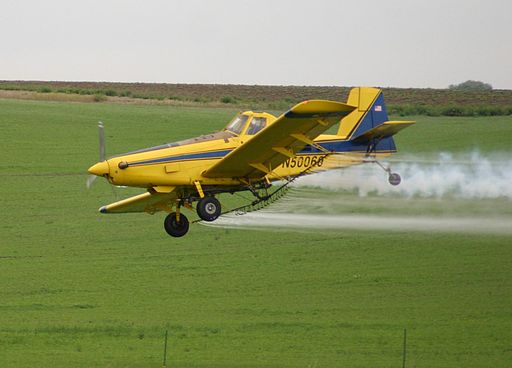
Air Tractor AT-400
The Air Tractor AT-400 represents the next chapter in agricultural aviation innovation. Steeped in a tradition of reliability and precision, the AT-400 is engineered to tackle the unique challenges of aerial application, land management, and multi-purpose utility missions. This groundbreaking model combines advances in aerodynamics, power, and systems engineering to deliver enhanced performance while ensuring operator safety and fuel efficiency.
Historical Background and Development
Air Tractor has a storied history of developing aircraft that meet the rigorous demands of modern agriculture. The AT-400 builds on decades of iterative engineering improvements and field feedback from crop dusting, aerial spraying, and environmental management operations. Drawing inspiration from earlier models like the AT-300, designers embarked on a mission to refine performance metrics and broaden operational versatility. The result is an aircraft that not only meets but exceeds current expectations in terms of reliability, ease of use, and mission adaptability.
Design and Structural Overview
The AT-400 is the culmination of years of design evolution, featuring enhancements that optimize both aerodynamic efficiency and structural robustness. Every element of the aircraft has been meticulously re-engineered to reduce drag, increase payload capacity, and ensure high levels of operational safety.
Aerodynamic Profile and Airframe Construction
At the heart of the AT-400’s design is its refined aerodynamic profile. The high-wing configuration offers superior field visibility while delivering a stable platform for low-altitude operations, crucial during intensive spraying and seeding tasks. The airframe construction employs a blend of high-strength aluminum alloys and advanced composite materials, combining lightweight features with exceptional durability. Such materials ensure a resilient structure that withstands frequent exposure to agricultural chemicals and harsh environmental conditions.
Cockpit Design and Pilot Ergonomics
A key feature of the AT-400 is its focus on pilot comfort and intuitive control. The cockpit is designed with ergonomically optimized controls and an instrument panel that minimizes pilot workload. Large, well-lit gauges combined with a digital display system enable quick data acquisition, ensuring the pilot has immediate situational awareness. This thoughtful layout is critical during time-sensitive operations, where responsiveness and clarity are paramount.
Technical Specifications and Parameters
The technical prowess of the AT-400 is evident from its impressive figures and robust systems. Designed for demanding aerial applications, this aircraft sets a high benchmark within its class.
Engine and Propulsion System
The AT-400 is powered by a state-of-the-art single turbocharged piston engine, delivering approximately 400 horsepower. This engine is fine-tuned to provide high reliability during continuous operation. A sophisticated cooling system regulates engine temperatures even under heavy loads, and a turbocharging mechanism ensures robust performance at varying altitudes. This powerplant is coupled with a precision-engineered propeller system that maximizes thrust while maintaining fuel efficiency.
Performance Metrics
Optimized for both speed and agility, the AT-400’s performance parameters are carefully calibrated for the rigors of agricultural use:
- Cruise Speed: Approximately 175 mph (282 km/h)
- Maximum Speed: Up to 190 mph (306 km/h)
- Range: Around 550 miles (885 km) when carrying a full aerial application load
- Service Ceiling: Approximately 14,000 ft (4,267 m)
- Rate of Climb: Nearly 900 ft/min (4.6 m/s)
These performance characteristics allow the AT-400 to cover large farmlands rapidly while maintaining the agility required for detailed application tasks.
Payload, Fuel Efficiency, and Capacity
The AT-400 is engineered with a keen focus on balancing payload capacity with fuel efficiency. The aircraft can accommodate substantial quantities of pesticides, fertilizers, or other aerial application agents without compromising stability. It features an enhanced fuel capacity of about 220 US gallons, which supports extended missions and ensures minimal in-flight refueling. Integrated fuel management software monitors consumption rates in real time, optimizing operational endurance and cost-effectiveness.
Avionics and Instrumentation
Equipped with a cutting-edge avionics suite, the AT-400 offers a highly integrated flight management system. Modern navigation aids, including GPS tracking and real-time telemetry, work in harmony to assist the pilot in maneuvering over vast agricultural regions. Digital displays provide instantaneous feedback on flight parameters, while modern communication systems ensure seamless connectivity with ground control stations. This comprehensive avionics integration not only simplifies complex flight operations but also significantly enhances overall mission safety.
Below is a summary table of the AT-400’s key technical parameters:
| Parameter | Value |
|---|---|
| Crew | 1 (Pilot) |
| Length | 25 ft (7.6 m) |
| Wingspan | 40 ft (12.2 m) |
| Height | 10 ft (3.0 m) |
| Empty Weight | Approximately 4,500 lbs (2,041 kg) |
| Maximum Takeoff Weight | Approximately 9,000 lbs (4,082 kg) |
| Engine | Single turbocharged piston (~400 hp) |
| Fuel Capacity | 220 US Gallons |
| Cruise Speed | 175 mph (282 km/h) |
| Maximum Speed | 190 mph (306 km/h) |
| Range | 550 miles (885 km) |
| Service Ceiling | 14,000 ft (4,267 m) |
| Rate of Climb | 900 ft/min (4.6 m/s) |
Operational Capabilities and Versatility
The AT-400’s design makes it extraordinarily versatile. Its state-of-the-art systems and robust engineering allow it to adapt to a range of aerial missions beyond conventional agricultural applications.
Agricultural Applications
The primary function of the AT-400 remains aerial application. Whether employed for pesticide dispersion, fertilizer distribution, or aerial seeding, its stable flight characteristics and precision control systems enable operators to work efficiently over large tracts of farmland. Enhanced fuel capacity and longer range mean fewer interruptions during high-demand periods. The aircraft’s low-level maneuverability also ensures even coverage and minimal overspray, directly contributing to improved crop yield and resource management.
Multi-Role Adaptability
While with its agricultural roots, the AT-400 is also adaptable to alternative tasks. It may be configured for environmentally focused applications such as firefighting, where it can be fitted with retardant tanks and specialized dispensing systems. Environmental monitoring missions, including forest health surveys or wildlife management, have also benefited from its precision instrumentation and extended operational range. This multi-role capability makes the AT-400 a highly flexible asset for diverse industries seeking efficiency and reliability in a single platform.
Safety and Maintenance
Safety is paramount in the design of the AT-400, and engineers have integrated multiple systems to safeguard both the aircraft and its mission payload. Regular maintenance is streamlined by the aircraft’s modular design, ensuring that critical systems can be inspected and serviced without overly complex procedures.
Safety Features and Redundancies
Built with redundancy in mind, the AT-400 incorporates dual-channel hydraulic circuits, backup avionics, and reinforced structural supports. These additional layers of safety are designed to mitigate risks during unexpected flight challenges. The aircraft also features advanced stall warning systems and automated flight control assistance, which provide rapid corrective feedback, ensuring that the pilot can maintain control during demanding operational scenarios.
Maintenance and Service Considerations
Engineers have placed a strong emphasis on creating a maintenance-friendly design. Access panels and modular systems allow for routine inspections and fast turnaround times during repairs. Detailed maintenance logs and predictive servicing schedules, supported by integrated sensor data, help ground crews pinpoint wear and preemptively address potential issues. This proactive approach minimizes downtime and extends the useful life of the aircraft, ensuring continuous operational reliability throughout its service lifespan.
Conclusion
The Air Tractor AT-400 stands as a beacon of modern agricultural aviation. With its refined aerodynamic design, powerful propulsion system, and enhanced operational capabilities, the AT-400 elevates the standard for aerial application aircraft. Its blend of technical innovation and practical engineering ensures that it reliably meets the demanding requirements of modern agriculture while offering extended versatility across alternative roles. As technology continues to advance, the AT-400 paves the way for even more specialized adaptations, ensuring that it remains at the forefront of effective, efficient, and safe aerial operations.
