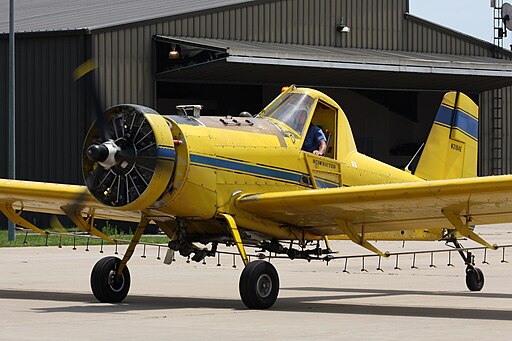
Air Tractor AT-300
The Air Tractor AT-300 stands as a testament to the enduring innovation in agricultural aviation. This aircraft, designed with an unwavering commitment to performance and durability, has become a reliable workhorse for aerial application and crop management. With a blend of robust engineering and thoughtful design, the AT-300 delivers both power and precision, making it a favorite for operators who demand technical excellence in challenging environments.
Historical Background and Development
From its inception, the AT-300 has been driven by a need to restore efficiency and safety to agricultural operations. Early models in the Air Tractor series addressed the unique challenges faced by farmers, such as the necessity for low-speed maneuverability, stability during low altitude operations, and a straightforward design that prioritizes maintenance ease. Over the years, incremental improvements have transitioned the AT-300 into a mature system—a perfect balance of classic engineering and modern refinements.
Design and Structural Overview
The design of the AT-300 is a study in purpose-built aerial efficiency. Every curve and contour of its high-wing configuration is engineered to provide maximum field visibility, superior lift, and an intuitive control system that pilots can master with ease.
Aerodynamic Profile and Airframe Construction
The AT-300’s aerodynamic profile is tailored for tasks that require precision at low altitudes. Its high-wing configuration not only optimizes visibility but also contributes to an exceptionally stable platform for spraying operations. The airframe is constructed using high-strength alloys and composite materials to balance weight and durability—a necessity for enduring repetitive exposure to harsh operating conditions. Wide chord wings with high-lift devices and carefully calculated control surface geometries ensure both responsive handling and minimal aerodynamic drag.
Cabin and Pilot Ergonomics
Inside the cockpit, practical design meets pilot comfort. The instrument panel is arranged for clear visibility and accessibility, reducing pilot workload during critical missions. Ergonomics play a crucial role, ensuring that controls are intuitively positioned and that the pilot has a comprehensive view of both the instrument cluster and the external environment. This focus on the human element is integral in operations where precision timing and steady hands are paramount.
Technical Specifications and Parameters
At the heart of the AT-300’s reputation are its well-defined technical parameters that support its mission versatility and reliability.
Engine and Propulsion System
The AT-300 is typically powered by a single, turbocharged piston engine delivering approximately 300 horsepower. This engine is engineered for efficiency and durability, with an advanced cooling system that maintains optimal temperatures under extended operational loads. Its power output provides ample thrust for both short takeoffs and sustained low-altitude flight, characteristics that are critical for agile agricultural maneuvers.
Performance Metrics
The performance parameters of the AT-300 are balanced to meet the specific demands of agricultural flying:
- Cruise Speed: Approximately 165 mph (265 km/h)
- Maximum Speed: Around 175 mph (282 km/h)
- Range: Up to 500 miles (805 km) when fully loaded for aerial application
- Service Ceiling: Approximately 13,000 ft (4,000 m)
- Rate of Climb: Roughly 800 ft/min (4.1 m/s)
These metrics ensure that the aircraft can rapidly transition between tasks while maintaining efficiency in fuel consumption and operational readiness.
Payload and Fuel Efficiency
The design of the AT-300 emphasizes high payload capacity balanced with fuel efficiency. Its agricultural role demands the carriage of significant quantities of chemicals or fertilizers while still ensuring a balanced performance envelope. With a fuel capacity that typically reaches 200 US gallons, the AT-300 is optimized for long-duration missions. Engineers have integrated advanced fuel management systems that guarantee steady consumption rates, allowing operators to maximize flight time without compromising safety or efficiency.
Avionics and Instrumentation
Complementing its mechanical strengths, the AT-300 is outfitted with a sophisticated suite of avionics. Modern digital flight instruments, integrated GPS navigation, and reliable communications systems provide pilots with the information they need to execute precision maneuvers. The instrument panel is designed for ease of interpretation, which is invaluable during operations that require constant adjustments and situational awareness over vast farmlands.
Below is a summary table of the AT-300’s key technical parameters:
| Parameter | Value |
|---|---|
| Crew | 1 (Pilot) |
| Length | 23 ft (7 m) |
| Wingspan | 37 ft (11.3 m) |
| Height | 9 ft (2.7 m) |
| Empty Weight | ~4,000 lbs (1,814 kg) |
| Maximum Takeoff Weight | ~8,000 lbs (3,629 kg) |
| Engine | Single turbocharged piston engine (~300 hp) |
| Fuel Capacity | 200 US Gallons |
| Cruise Speed | 165 mph (265 km/h) |
| Maximum Speed | 175 mph (282 km/h) |
| Range | 500 miles (805 km) |
| Service Ceiling | 13,000 ft (4,000 m) |
| Rate of Climb | 800 ft/min (4.1 m/s) |
Operational Capabilities and Versatility
The design and technical parameters of the AT-300 translate directly into operational effectiveness in the field. This aircraft was specifically engineered to serve the rigorous demands of agricultural aviation while offering a platform that can be adapted for secondary roles.
Agricultural Applications
The primary role of the AT-300 is aerial application. Whether it’s crop dusting, fertilizer dispersal, or aerial seeding, the aircraft’s payload systems are optimized for the rapid and precise distribution of materials. Its stable flight characteristics, combined with high maneuverability at low altitudes, allow pilots to cover large areas uniformly—a critical factor in the success of modern farming operations.
Multi-Role Adaptability
Beyond traditional agricultural uses, the AT-300’s robust design offers a platform that can be modified for additional roles such as firefighting or environmental surveying. With adaptable equipment mounts and a resilient airframe, operators have successfully integrated firefighting retardant systems and sensor arrays for monitoring environmental conditions. This multipurpose capability underscores the aircraft’s versatility and long-term value.
Safety and Maintenance
Safety and ease of maintenance are two factors that have solidified the AT-300’s position as a trusted tool in the agricultural sector. The aircraft is built with redundancies and robust safety features to safeguard both crew and payload during demanding operations.
Safety Features and Redundancies
The AT-300 incorporates multiple safety systems, including redundant hydraulic systems, fail-safe control linkages, and robust structural reinforcements that protect critical components. Its low stall speed, combined with an intuitive design, gives pilots ample reaction time during unexpected events—ensuring that safety is never compromised, even in challenging operating conditions.
Maintenance and Service Considerations
Designed with operational longevity in mind, the AT-300 features straightforward maintenance procedures that reduce downtime and service complexity. Accessible engine compartments, modular avionics systems, and engineered durability all contribute to a maintenance regimen that keeps the aircraft in peak condition. Regular checks and scheduled component replacements have been factored into the design, ensuring that operators can confidently manage the upkeep of their fleet.
Conclusion
The Air Tractor AT-300 embodies the essence of a purpose-built agricultural aircraft. Its comprehensive blend of technical precision, operational efficiency, and adaptability make it an enduring asset for a wide range of aerial applications. Whether the mission calls for intricate crop dusting or the versatile challenges of multi-role operations, the AT-300 remains a prime example of engineering excellence. Its technical parameters and robust design continue to set the standard for those who depend on consistent performance in the demanding world of agricultural aviation.
