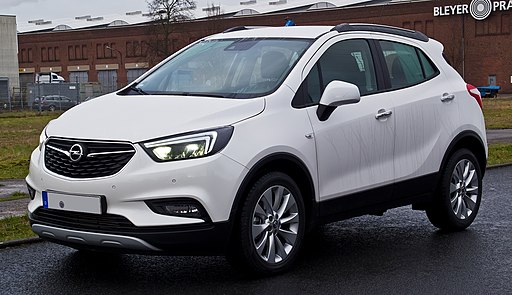
Opel Mokka faults
The Opel Mokka has made its mark as a modern, compact crossover that combines stylish design with urban practicality. While its innovative features and safety technologies have won many fans, several faults—some software-related and others mechanical or electrical—have surfaced in various model years. Understanding these common issues can provide valuable insight, enabling you to perform thorough pre-purchase inspections and schedule timely repairs.
Engine and Software Faults
Engine Shutdown Prevention and Software Glitches
Some newer Opel Mokka models, particularly those built around 2022–2023, have encountered issues with engine control software designed to prevent sudden shutdowns.
- What Happens: The vehicle’s software is intended to maintain continuous engine operation and relay critical performance data to customer service. However, in some instances, this system fails to work as intended, leading to unexpected engine cutouts or erratic performance on the dashboard.
- Root Cause: These glitches often stem from programming inconsistencies within the engine management module or faulty updates that disrupt its communication protocol.
- Implications: With the software not performing its preventive role, drivers may face abrupt power losses or difficulty in diagnosing underlying problems – a scenario that could lead to costly repairs if left unaddressed.
NOx Emissions and DV5R E6.3 Engine Issues
A specific concern has emerged with models equipped with the DV5R E6.3 engine.
- What Happens: In certain vehicles, nitrogen oxide (NOx) emissions have been reported to exceed regulatory limits, triggering warning lights and potentially affecting engine performance.
- Root Cause: This fault is typically attributed to the engine’s design and its emission control systems, which may not consistently achieve the targeted efficiency under various operating conditions.
- Implications: Excessive NOx emissions not only risk non-compliance with environmental regulations but can also lead to degraded engine performance over time. Affected vehicles might require software recalibrations or component replacements as part of recall resolutions.
Tyre and Brake-Related Issues
Damage from Final Brake Inspections
One unexpected fault identified in some Opel Mokka units concerns tire integrity related to the brake system inspection process.
- What Happens: During the final quality control checks—especially in the brake assembly—the tyres can occasionally incur damage. This reduces the effective contact patch between the tyre and the road surface.
- Root Cause: In some production batches, the final inspection processes inadvertently create physical abrasions or deformations on the tyre surface due to mechanical handling or misaligned brake components.
- Implications: Damaged tyres may lead to reduced traction, accelerated wear, and potential safety hazards. It is advisable for owners and used car buyers to inspect the tyres carefully or check the vehicle’s service history to confirm that any issues were rectified before delivery.
Electrical and Sensor Anomalies
Sensor Malfunctions and Fault Codes
Modern Opel Mokka models depend heavily on an array of sensors to manage everything from fuel delivery to exhaust emissions.
- What Happens: Owners might experience intermittent fault codes appearing on the dashboard—codes such as P0401 (Exhaust Gas Recirculation Flow Insufficient) are commonly reported. These codes often accompany symptoms like rough idling or inconsistent engine performance.
- Root Cause: Sensor degradation over time, poor electrical connections, or even software calibration errors can lead to inaccurate readings by oxygen sensors, mass air flow sensors, and others.
- Implications: Erroneous sensor data not only impacts fuel efficiency and emissions but can also obscure the diagnosis of more complex issues unless a comprehensive diagnostic scan is performed. Early detection through routine service can help prevent small faults from escalating.
Wiring and Communication Issues
Continuous vehicle vibrations and general wear can also affect the integrity of the wiring harnesses in the Mokka.
- What Happens: Owners sometimes report sporadic loss of connectivity between the engine control unit (ECU) and other modules, which in turn may trigger additional warning lights or lead to unreliable sensor performance.
- Root Cause: Over time, insulation degradation or friction-related chafing of wiring can result in shorts or intermittent connections.
- Implications: Problems in the data communication pathways may result in misdiagnosed faults or unexpected behavior in critical systems. Regular inspections, especially in high-vibration zones like near the transmission, can help identify and resolve these electrical issues early on.
Drivability and Transmission Concerns
Gear Shifting and Drivetrain Irregularities
Although less commonly cited than software or sensor issues, some Opel Mokka owners have reported irregularities related to the transmission system.
- What Happens: Under certain conditions, drivers may experience delayed gear engagement or non-uniform shifting, which can affect the overall smoothness of the drive.
- Root Cause: The issues might be linked to minor wear in components of the gear linkage or hydraulic inconsistencies within the transmission control system.
- Implications: While such faults may seem minor initially, they could lead to increased wear on transmission internals over time if the vehicle is not serviced promptly. Regular gearbox maintenance and timely software updates for the transmission control unit are essential to preserve drivability.
Conclusion
The Opel Mokka is a well-conceived, modern crossover with numerous features designed to make urban driving both efficient and enjoyable. However, as with any vehicle, certain recurring faults—from software glitches leading to unexpected engine shutdowns and excessive NOx emissions to issues with tyre damage during brake inspections and sensor anomalies—can affect long-term reliability. Prospective buyers should ensure that the vehicle’s service history is thorough and that any recall-related repairs have been completed. Regular diagnostic checks and proactive maintenance play a key role in mitigating these faults, helping you enjoy the many benefits this compact crossover has to offer, backed by peace of mind over its technical soundness.
Opel Mokka as a used car
The Opel Mokka has emerged as a modern subcompact crossover that combines stylish design with practical urban performance. For used car buyers, the Mokka offers a compelling mix of advanced technology, efficient powertrains, and contemporary styling. Understanding its technical parameters—from engine options and dimensions to fuel economy and safety features—is essential when evaluating its long-term reliability and overall value on the pre-owned market.
Design and Market Overview
Market Position and Model Evolution
Since its launch, the Opel Mokka has undergone significant evolution. Earlier versions focused on providing a robust urban crossover experience, while later generations—especially with the introduction of the facelifted Mokka B and the fully electric Mokka-e—have refined design, efficiency, and driveability. In the used car market, the Mokka appeals to buyers who want European styling combined with an agile chassis and low running costs.
Exterior and Interior Design
The exterior of the Opel Mokka is marked by clean lines and a purposeful stance. Its relatively compact dimensions make it ideal for city driving while still offering a commanding road presence. On the interior, the cabin is designed for versatility and comfort. Quality materials, a well-organized cockpit, and modern digital displays ensure that even a used Mokka delivers a contemporary in-car experience suitable for daily commuting and longer journeys alike.
Technical Specifications and Performance
A detailed look at the technical parameters of the Opel Mokka can reveal why this crossover remains popular among urban drivers and small families.
Engine and Powertrain Options
Opel offers a range of powertrain choices in the Mokka lineup, catering to different driving preferences and efficiency requirements:
- Engine Variants and Power Outputs:
- Recent models, such as the facelifted Mokka B (2020–2024), come with petrol engines producing between 100 and 156 horsepower.
- Earlier models (e.g., the Mokka X from 2016–2019) offer engine outputs typically ranging from 110 to 152 horsepower, while some variants from 2012 to 2016 provide up to 140 horsepower.
- For buyers interested in electrification, the Mokka‐e features a 50 kWh battery paired with an electric motor that delivers 136 horsepower and offers an electric range of up to approximately 324 km under WLTP conditions.
- Transmission Choices: Depending on the model and market, the Mokka is available with both manual and automatic transmission options. Manual gearboxes are often offered in 6-speed variants, while adaptive automatics and dual-clutch systems provide smoother shifting and improved fuel efficiency in the more modern iterations.
- Drivetrain Configuration: Most of the Opel Mokka variants are front-wheel drive (FWD), ideal for urban conditions. Some earlier versions even included all-wheel drive (AWD) options, offering enhanced traction in adverse weather conditions.
Dimensions, Chassis, and Weight
The compact geometry of the Mokka is a key factor in its appeal. While dimensions may vary slightly between generations, typical figures include:
- Overall Dimensions:
- The facelifted Mokka B models often measure around 4150–4151 mm in length, 1787–1791 mm in width, and approximately 1534–1535 mm in height.
- Earlier models like the Mokka X (2016–2019) and the original Mokka (2012–2016) are slightly larger in length, reaching up to 4278 mm, with heights varying between 1531 mm and 1658 mm.
- Curb Weight:
- First-generation models tend to weigh between 1280 kg and 1490 kg, while newer variants have achieved reductions in curb weight—as low as around 1195 kg in some Mokka B versions—to improve efficiency and handling.
- Chassis and Suspension: The Mokka’s suspension setup typically features a combination of front MacPherson struts and a multi-link rear assembly, designed to provide a balance between ride comfort and agile handling. This suspension tuning makes the vehicle responsive in urban environments while still offering comfort over longer distances.
Fuel Economy and Emissions
Engine efficiency and environmental compliance are significant selling points for the Opel Mokka:
- Fuel Consumption:
- The fuel economy figures vary with the engine type. For instance, some petrol variants achieve consumption figures in the range of 5.5–6.9 L/100 km under the WLTP cycle, while certain diesel models (where available) can reach as low as 3.8 L/100 km.
- The Mokka-e, as an electric variant, replaces conventional fuel consumption metrics with an electric range of up to 324 km per charge, making it an appealing option for eco-conscious urban drivers.
- Emissions Standards: Modern Mokka engines are designed to meet stringent emission standards (such as EURO 6d), ensuring reduced CO₂ output and compliance with regulatory requirements. Optimized engine management and, in some cases, start-stop systems contribute to lower overall emissions.
Safety, Driver Assistance, and Interior Electronics
In recent generations, Opel has integrated advanced safety and convenience features into the Mokka:
- Active and Passive Safety Features: The Opel Mokka includes multiple airbags, ABS, electronic stability control (ESC), and other passive safety systems. Driver assistance features—such as lane departure warning, automatic emergency braking, and adaptive cruise control—are available in newer models, enhancing both safety and driving ease.
- Interior Electronics and Connectivity: Modern Mokka variants come equipped with digital instrument clusters, infotainment touchscreens, Bluetooth connectivity, and support for Apple CarPlay/Android Auto systems. These features provide a user-friendly interface and efficient connectivity, ensuring that even as a used car, the Mokka remains technologically competitive.
Reliability, Maintenance, and Ownership Considerations
Routine Maintenance and Service History
As with all used vehicles, consistent maintenance is key to ensuring long-term durability:
- Service Records: A well-documented service history is particularly important when purchasing a used Opel Mokka. Regular oil changes, timely filter replacements, and adherence to scheduled software updates (especially for electronic control modules) can indicate that the vehicle has been well cared for.
- Common Wear Areas: Prospective buyers should inspect critical components such as the engine bay, suspension elements, and braking systems for signs of wear. Given the Mokka’s urban-friendly design, components like the suspension bushings and brake pads may exhibit wear more quickly if the vehicle has seen heavy city use.
Ownership Experience and Resale Value
- Low Running Costs: The Opel Mokka is known for its relatively low maintenance and repair costs. The widespread availability of spare parts and a strong service network further contribute to its cost-effective ownership.
- Resale Value: With its attractive design and balanced performance characteristics, a well-maintained Mokka tends to hold its value reasonably well in the used car market. Ensuring that any recall or service bulletins have been addressed can positively impact resale value.
Conclusion
For those seeking an urban-friendly crossover with contemporary design and competitive technical specifications, the Opel Mokka remains a strong contender on the used car market. Its range of engine options—from efficient petrol and diesel variants to the innovative Mokka‐e—offers versatility to meet varied driving needs. Coupled with compact dimensions, agile handling, and modern safety and connectivity features, the Mokka can provide a balanced and enjoyable driving experience.
_%E2%80%93_Frontansicht,_23._Dezember_2016,_D%C3%BCsseldorf.jpg)