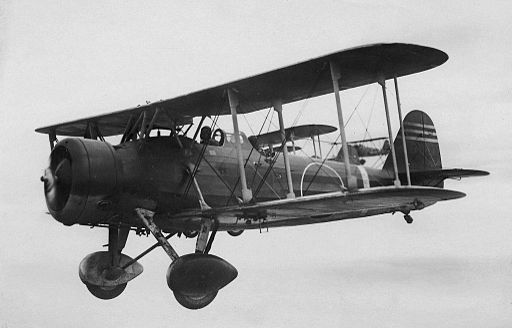
Aichi D1A
Introduction to the Aichi D1A
The Aichi D1A represented a crucial step in the evolution of Japanese dive bombers during a period when naval aviation was rapidly transforming air combat doctrine. As the first dive bomber developed by Aichi for the Imperial Japanese Navy, the D1A embodied the lessons learned from earlier biplane designs while pioneering new approaches to aerodynamic efficiency and dive-bombing tactics. Its development signaled a commitment to precision bombing missions—a capability that would later be refined in iconic successors such as the D3A “Val.”
In this context, the D1A not only provided the navy with its first hand in effective dive bombing but also served as a test bed for design elements that would become standard in later models. Its technical parameters and design choices offer a fascinating window into the rigorous engineering challenges of the inter-war period.
Development and Design Philosophy
Historical Context
In the inter-war era, global powers were exploring how air power could tilt the balance in naval warfare. Japan, with its keen interest in maximizing the offensive potential of its carrier-based aircraft, recognized the need for a specialized dive bomber. The Aichi D1A emerged as a direct response to these strategic imperatives. Drawing on both domestic engineering expertise and insights gleaned from foreign contemporaries, the aircraft was designed to deliver bombs with accurate precision—a novel capability at the time.
The D1A’s conception was marked by experimental aerodynamics and structural innovations meant to address the unique challenges of steep dive approaches. During its developmental phase, engineers at Aichi focused on creating an airframe that could withstand the high aerodynamic loads experienced during abrupt pull-out maneuvers, which were essential for a successful dive-bombing run.
Manufacturing and Design Innovations
Aichi’s engineers engineered the D1A with a robust airframe structure combined with refinements in control surfaces and stability enhancements. Key innovations included:
- Reinforced Fuselage Construction: The fuselage was designed to absorb significant stresses, especially during dive pull-outs.
- Optimized Wing Geometry: Adjustments in wing design—both in terms of area and aspect ratio—allowed for improved lift at lower speeds, ensuring greater control during the dive.
- Integrated Dive-Braking Mechanisms: Early versions incorporated features intended to slow the aircraft during a dive for bomb release accuracy, setting the stage for future dive bomber models.
These design features not only met the operational demands of the Imperial Japanese Navy at the time but also provided enduring lessons that influenced Japanese military aviation in the years to come.
Technical Specifications
A crucial aspect of understanding the Aichi D1A is examining its technical parameters. Although available records vary, the following estimates offer insight into the aircraft’s design and performance.
Dimensions and Weight
The D1A’s layout reflects the typical proportions of early dive bombers. Key dimensional specifications include:
| Parameter | Specification | Comments |
|---|---|---|
| Crew | 2 (pilot and observer/gunner) | Standard configuration for dive bombers |
| Length | ~9.5 m (31.2 ft) | Sleek design to balance speed and maneuverability |
| Wingspan | ~12.0 m (39.4 ft) | Optimized for adequate lift during dive approaches |
| Height | ~3.5 m (11.5 ft) | Compact to reduce drag during high-speed dives |
| Wing Area | ~23.5 m² (253 ft²) | Provides stability at low speeds |
These dimensions reflect a design optimized for the dive-bombing role, where balance between aerodynamic efficiency and structural integrity was crucial.
Engine and Propulsion
At the heart of the Aichi D1A was a single radial engine designed to deliver reliable performance in demanding combat conditions. While exact engine model data may vary between sources, typical parameters include:
| Parameter | Specification | Comments |
|---|---|---|
| Engine Type | Single radial engine | A purpose-built engine emphasizing reliability and power |
| Horsepower | ~450 hp (approximately) | Sufficient for maintaining speed and climb during dive maneuvers |
| Propeller | Fixed-pitch propeller | Optimized for the speeds typical of dive-bombing profiles |
The engine’s output provided the power required for high-speed attacks coupled with the endurance needed for extended operations over vast oceanic theaters.
Performance Characteristics
The interplay between propulsion, airframe, and aerodynamic design defines the D1A’s performance envelope. Estimates for key performance characteristics are as follows:
| Performance Parameter | Estimated Value | Comments |
|---|---|---|
| Maximum Speed | ~300 km/h (186 mph) | Balances high-speed penetration with dive stability |
| Range | ~1000 km (621 miles) | Enabled patrols and stand-off bombing missions |
| Service Ceiling | ~7500 m (24,600 ft) | Sufficient for dive operations and avoiding ground fire |
| Rate of Climb | Moderate, tuned to operational needs | Allowed rapid ascent post-dive to evade enemy defenses |
These performance figures underscore the D1A’s role as a tactical asset, capable of precise bombing runs while still maintaining enough speed and agility to evade counterattacks.
Armament and Defensive Systems
Bomb Load
A dive bomber’s primary mission is its bomb load. The Aichi D1A was equipped to carry a single bomb optimized for dive bombing. Typical bomb parameters included:
- Weight: Between 250 and 300 kg
- Placement: Usually housed in a dedicated bomb bay or mounted externally, aligned with aerodynamic considerations for stable release
The use of a single, well-calibrated bomb allowed the D1A to deliver a precise payload to critical targets. Its bomb release mechanism was designed for rapid deployment during the dive—a feature that set an early standard for subsequent dive bomber models.
Defensive Armament
In addition to its offensive bomb load, the D1A featured defensive armament to provide protection during vulnerable phases of the mission:
- Forward-Firing Machine Gun: Typically a fixed 7.7 mm machine gun synchronized to fire through the propeller arc.
- Observer’s Rear Gun: A flexible-mounted machine gun mounted in the rear cockpit, offering defense against pursuing aircraft.
This balance of offensive and defensive systems provided the D1A with a degree of survivability, even as its primary role remained that of a precision strike platform.
Aerodynamics and Dive-Bombing Capabilities
Airframe Stability and Control
The unique demands of dive bombing necessitate an airframe that can sustain extreme aerodynamic forces without compromising control. The D1A’s design focused keenly on:
- Enhanced Structural Integrity: The airframe was engineered with reinforced materials to handle the stress during steep dive angles and high-speed pull-outs.
- Refined Control Surfaces: Ailerons, elevators, and rudders were proportioned to provide stable handling during both aggressive dives and level flight phases.
- Optimized Wing Profile: The wing design offered sufficient lift at low speeds while also maintaining stability at higher speeds—a dual requirement critical for dive operations.
Dive-Braking and Bomb Release Mechanisms
One of the landmark features of the D1A was its early adoption of dive-braking techniques:
- Dive Brakes: Integrated into the wing or fuselage structure, these devices slowed the aircraft in a controlled fashion during the steep dive, ensuring that the bomb reached its target accurately.
- Precision Bomb Release: The synchronization between the dive angle, airspeed, and bomb release mechanism was refined to maximize impact effectiveness, a challenge that required both innovative mechanical engineering and rigorous pilot training.
These innovations not only enhanced the D1A’s operational effectiveness but also served as important stepping stones for more advanced dive bomber systems.
Operational History and Legacy
Service and Deployment
Although the Aichi D1A was only briefly in service before being superseded by later models such as the famed D3A “Val,” its operational history is notable for several reasons:
- Training Role: The D1A saw extensive use in training exercises, where its performance parameters allowed pilots to hone their dive-bombing skills under realistic conditions.
- Experimental Missions: Early combat and operational tests provided valuable data on dive-bombing techniques, many of which informed subsequent modifications and designs.
- Rapid Evolution: The short service life of the D1A highlighted the rapid pace of technological advancement in Japanese military aviation, as each new model sought to improve upon the lessons learned from its predecessors.
Influence on Subsequent Designs
The design philosophy and technical innovations of the Aichi D1A had a lasting influence. Several key lessons emerged from its deployment:
- Structural Reinforcement: The emphasis on airframe durability during dive maneuvers became a standard in later dive bomber models.
- Integrated Aerodynamic Control: Innovations in control surface design and wing geometry influenced not only future dive bombers but also broader aircraft designs for carrier-based operations.
- Tactical Doctrine: The D1A helped cement the dive bombing technique as an essential component of naval aviation strategy—a concept that would be mastered and widely deployed during subsequent conflicts.
These contributions underscore the aircraft’s role as a pioneer, laying the technical and tactical groundwork for some of the most effective dive bombing systems of World War II.
Conclusion
The Aichi D1A stands as a testament to a period of rapid innovation in military aviation. Its balanced combination of structural resilience, aerodynamic precision, and integrated armament systems set a benchmark for dive bombing platforms in the Imperial Japanese Navy. Although it may have enjoyed a relatively brief operational career, the technical parameters and design innovations of the D1A influenced an entire generation of carrier-based dive bombers.
By understanding the engineering challenges overcome in the development of the D1A—from managing high aerodynamic loads to ensuring precision bomb release—we not only appreciate the historical significance of this aircraft but also its enduring legacy in modern aeronautical engineering. The evolution from the D1A to later models like the D3A “Val” exemplifies the relentless pursuit of improved performance and effectiveness—a pursuit that continues to inspire modern aircraft design and tactical innovation.
