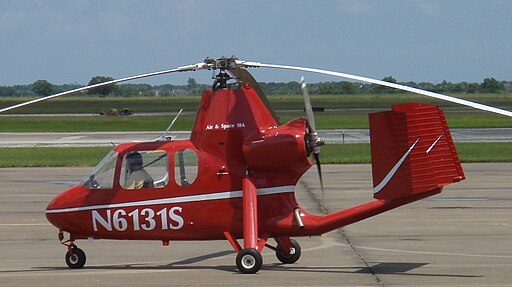
Air & Space 18A
The Air & Space 18A (gyroplane) is a modern take on the classic gyroplane concept, blending innovative engineering with proven rotary-wing principles. Designed for both advanced flight training and recreational use, this gyroplane stands out with its remarkable stability, ease of operation, and low operating costs. By harnessing modern composite materials and a refined rotor system, the Air & Space 18A offers pilots an intuitive flying experience that bridges the gap between conventional fixed–wing training platforms and more complex rotary aircraft.
Overview of the Air & Space 18A (Gyroplane)
Unlike helicopters that use powered lift, gyroplanes achieve lift via an unpowered, free–spinning rotor operating in autorotation. The Air & Space 18A uses this principle in combination with a pusher–propelled engine to generate the necessary thrust for forward flight. This unique configuration provides inherent safety characteristics, simplified controls, and a forgiving flight envelope—all of which make it an ideal option for both pilot conversion and casual aviation enthusiasts.
Development and Design Philosophy
Historical Background
The concept for the Air & Space 18A (gyroplane) emerged from a drive to modernize rotorcraft training platforms with enhanced safety and efficiency. Building on decades of research into autorotation and light–rotor aerodynamics, the designers at Air & Space set out to create a gyroplane that could offer both practical flight training and a fun, accessible recreational flying experience. The design process emphasized low–maintenance operation, modern digital instrumentation, and a robust structure capable of withstanding the unique stressors of rotary flight.
Design Goals and Innovations
The core design philosophy behind the 18A is built on three main objectives:
- Safety and Stability: The gyroplane’s rotor system is engineered to ensure smooth autorotation even in low–speed flight. Its forgiving aerodynamic profile minimizes pilot workload, making it easier to recover from unusual attitudes and unexpected turbulence.
- Efficiency and Simplicity: Utilizing lightweight composite materials and an uncluttered airframe architecture, the 18A is designed for economical operation. Its simple yet effective layout reduces maintenance time while maximizing fuel efficiency.
- Modular Technology Integration: A digital cockpit with integrated multi–function displays, GPS, and advanced communication systems prepares pilots for modern flight scenarios. This modular approach also means that upgrades can be implemented over the aircraft’s lifetime, keeping the platform at the forefront of emerging rotorcraft technologies.
Technical Specifications
A detailed look at the Air & Space 18A (gyroplane)’s technical parameters highlights the innovative engineering that makes this aircraft both reliable and fun to fly.
Airframe and Dimensions
The airframe of the 18A is designed with a compact form factor that balances stability with nimble maneuverability. Key dimensions have been optimized to support both training and recreational missions.
| Parameter | Specification | Comments |
|---|---|---|
| Crew | 1 (Single–seat) or 2 (Tandem configuration available) | The available dual–seat layout enhances instructional capabilities. |
| Overall Length | ~6.5 m (21.3 ft) | A compact fuselage minimizes drag while maximizing compact handling. |
| Rotor Diameter | ~9.0 m (29.5 ft) | Ensures adequate lift during autorotation and contributes to gentle stall behavior. |
| Height | ~2.8 m (9.2 ft) | Low–profile design complements the rotor system for improved aerodynamic efficiency. |
| Wing/Stabilizer Area | N/A (Gyroplanes rely on rotor lift; tail surfaces optimized for directional control) | Provides directional stability and assists in smooth low–speed handling. |
| Empty Weight | ~310 kg (683 lbs) | Lightweight construction using modern composites reduces fuel consumption. |
| Maximum Gross Weight | ~520 kg (1,147 lbs) | Designed to carry fuel, pilot, and optional additional equipment without compromising performance. |
Engine and Propulsion System
The propulsion system of the Air & Space 18A (gyroplane) is engineered for reliable, economical performance. Unlike helicopters, the engine here is dedicated exclusively to providing forward thrust through a pusher propeller arrangement.
| Parameter | Specification | Comments |
|---|---|---|
| Engine Type | 4–cylinder, air–cooled piston engine (e.g., Rotax 912–ULS variant) | A widely trusted engine known for reliability and efficiency in light aircraft. |
| Power Output | ~100 hp (75 kW) | Provides sufficient thrust to maintain aerodynamic stability and achieve desired cruise speeds. |
| Propeller Configuration | Fixed–pitch pusher propeller | Optimized for steady forward thrust while reducing noise and vibration. |
| Fuel Consumption | ~15 L/h at cruise power | Ensures economical operation for both training sorties and leisure flying. |
Flight Performance and Handling
The performance attributes of the Air & Space 18A (gyroplane) are tuned to provide a balance between rigorous training requirements and the gentle handling expected in recreational flight.
| Performance Parameter | Specification | Comments |
|---|---|---|
| Maximum Cruise Speed | ~160 km/h (100 mph) | Delivers satisfying speed while ensuring stable autorotation. |
| Maximum Speed | ~180 km/h (112 mph) | Achieved with full power in optimal conditions. |
| Safe Flying Speed Range | ~70 – 140 km/h (43 – 87 mph) | Provides a generous envelope for both beginner training and advanced maneuvers. |
| Rate of Climb | ~3 m/s (600 ft/min) | Offers a smooth climb performance suited for gradual altitude gain. |
| Service Ceiling | ~1,500 m (4,920 ft) | Typical for gyroplane operations; sufficient for most training and recreational scenarios. |
| Endurance/Range | ~3 hours / ~360 km (225 miles) plausibly | Extended range allows for prolonged training sessions and cross–country flights. |
Avionics and Flight Instruments
The cockpit of the 18A has been developed to provide essential data in a clear, intuitive manner, helping pilots make informed decisions during every phase of flight.
- Digital Flight Displays: Multifunction digital displays offer real–time information including airspeed, altitude, engine parameters, and rotor RPM. The simplification of critical data supports both novice training and advanced navigation.
- Navigation Systems: Integrated GPS, along with basic VOR capabilities and traditional analog backup instruments, ensures robust situational awareness even in low–visibility conditions.
- Communication Suite: A modern, lightweight communication system allows seamless interaction between the pilot, flight instructors, and ground control, which is vital for safe training operations.
- Health Monitoring: Onboard sensors continuously track vital engine and rotor system parameters, triggering automated alerts if performance falls outside preset safety margins.
Rotor System and Control
At the heart of the gyroplane’s design is its unpowered rotor and associated control systems.
- Main Rotor: The rotor blades, made from advanced composite materials, are specifically engineered for optimal autorotation, ensuring consistent lift and stability even at lower airspeeds.
- Control Mechanisms: The rotor system is managed via cyclic and collective controls that, in tandem with traditional rudder and elevator inputs, give the pilot fine–tuned control over pitch, roll, and yaw. This arrangement results in a highly responsive aircraft that remains stable during both training maneuvers and dynamic, recreational flights.
Operational Role and Capabilities
Training and Recreational Use
One of the defining features of the Air & Space 18A (gyroplane) is its versatility. The aircraft is ideally suited for:
- Advanced Rotorcraft Training: Its forgiving flight envelope enables new pilots to experience the unique dynamics of autorotation in a controlled environment.
- Recreational Flying: Lightweight, nimble, and fuel–efficient, the design appeals to aviation enthusiasts who enjoy the thrill and simplicity of gyroplane flight.
- Low–Cost Aerial Adventures: With minimal operating costs and a robust safety record, the 18A opens up opportunities for expanding the world of personal aviation without the complexity of conventional helicopters.
Safety Features
Safety remains paramount in the design of the Air & Space 18A (gyroplane):
- Inherent Autorotation: The very nature of gyroplane flight means that even in the event of engine failure, the aircraft can maintain lift and perform a controlled descent.
- Simplified Controls: The intuitive control layout minimizes pilot workload, reducing the likelihood of error during both training flights and routine leisure operations.
- Robust Structural Design: The use of modern composites and a reinforced airframe ensures that the aircraft can withstand the stresses of repeated training cycles and dynamic flight conditions.
Innovations and Future Developments
Technological Upgrades
The modular design of the Air & Space 18A (gyroplane) paves the way for future enhancements:
- Enhanced Avionics: Upgrades may include advanced digital mapping, improved sensor integration, and further automation to aid in pilot decision–making.
- Rotor System Refinement: Ongoing research into blade material and aerodynamic shaping is expected to boost efficiency further, improving both climb rates and overall fuel consumption.
- Hybrid Propulsion Considerations: Future iterations could explore hybrid–engine concepts to further reduce emissions and operating costs while extending range.
Modularity and Expansion
The 18A’s design philosophy emphasizes flexibility:
- Adaptable Cockpit Configurations: Future models may offer customizable cockpit layouts for specialized training or even light surveillance missions.
- Payload Options: While primarily a trainer and recreational gyroplane, provisions for optional instrumentation pods or small external mounts could allow the aircraft to serve niche roles in aerial observation or data collection.
Conclusion
The Air & Space 18A (gyroplane) embodies a bold step forward in the evolution of light rotary–wing aircraft. With its modern composite construction, refined rotor design, and advanced yet intuitive avionics, it delivers a safe, efficient, and engaging flying experience. Whether employed as an advanced training platform or enjoyed as a recreational aircraft, the 18A sets a new standard in gyroplane performance and versatility.
