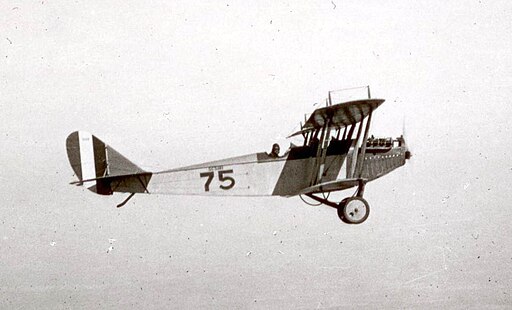
Curtiss JN Jenny
The Curtiss JN “Jenny” became synonymous with early American aviation. Developed during World War I as a primary trainer for military pilot instruction, the Jenny later found a second life as the quintessential barnstorming aircraft that introduced countless civilians to the thrill of flight. Its graceful biplane design, rugged construction, and forgiving flight characteristics made it a favorite among pilots and aviation enthusiasts alike. Today, the Jenny remains an enduring symbol of the pioneering spirit that shaped early flight.
Development and Historical Background
Military Origins
The Curtiss JN series began as a solution to the training needs of the United States military during World War I. With air power coming into its own as a decisive factor on the battlefield, producing a reliable, easy-to-fly trainer was paramount. The Jenny was designed to provide new pilots with a gentle introduction to flight while imparting critical skills through practical, low-risk flying. Its robust design and stable performance allowed thousands of American aviators to gain their first real aerial experience, creating a legacy that would eventually shape both military and civilian aviation.
Transition to Civilian Barnstorming
After the war, surplus Curtiss JN Jennys flooded the civilian market. Budding pilots and entrepreneurs saw an opportunity to harness the Jenny’s sturdy construction and forgiving flight characteristics. This led to the barnstorming era—where former military trainers were repurposed for aerobatic demonstrations, aerial tours, and stunt flying. The Jenny’s influence extended far beyond its initial military role, becoming a symbol of freedom, innovation, and the pioneering spirit in aviation history.
Design and Construction
Airframe and Aerodynamics
The Jenny’s design epitomizes the biplane configuration standard during its era. The dual-wing arrangement not only provided ample lift even at low speeds but also contributed to a stable and forgiving flight envelope. Key design features include:
- Staggered Biplane Wings: The upper and lower wings are arranged to optimize lift and minimize interference between the airflows. This configuration gives the Jenny excellent low-speed handling—a crucial feature for training new pilots.
- Wood and Fabric Construction: The airframe is built primarily of wood members covered with fabric, a common practice of the era. This method ensured that the aircraft remained both lightweight and relatively easy to repair, even in the field.
- Robust Landing Gear: Positioned for maximum shock absorption, the fixed, tail–wheel undercarriage was designed to handle the rigors of rough field operations—a particularly important attribute during the unpredictable conditions of early aviation.
Engine and Propulsion
At the heart of the Jenny lies the reliable Curtiss OX-5 engine—a water–cooled V8 that became one of the most widely produced aircraft engines of its time. Key attributes include:
- Power Output: The OX-5 engine produced approximately 90 horsepower, which was adequate for a trainer aircraft. Its performance allowed the Jenny to maintain steady climbs and moderate speeds while ensuring the engine remained manageable for novice pilots.
- Simplicity and Reliability: The straightforward design and ease of maintenance of the OX-5 made it a favorite among both military and civilian operators. Its durability under demanding training conditions contributed significantly to the Jenny’s longevity.
- Propeller Integration: A fixed-pitch wooden propeller, well-matched to the engine’s output, provided the necessary thrust while keeping the aircraft’s operational complexity to a minimum.
Technical Specifications
A closer look at the technical parameters of the Curtiss JN “Jenny” reveals what made it both a formidable trainer and a versatile civilian aircraft.
Key Dimensions and Weights
| Parameter | Specification | Comments |
|---|---|---|
| Crew | 2 (Instructor and Student) | Dual-seat configuration ideal for training |
| Length | ~22 ft 9 in (6.93 m) | Compact fuselage contributing to nimble handling |
| Wingspan | ~34 ft (10.36 m) | Wide wing span provides ample lift for low-speed flight |
| Height | ~8 ft (2.44 m) | Low-profile design reduces drag during critical flight phases |
| Wing Area | ~275 ft² (25.6 m²) | Large surface area for enhanced lift |
| Empty Weight | ~700 lb (317.5 kg) | Lightweight construction supports good performance characteristics |
| Maximum Takeoff Weight | ~1,100 lb (500 kg) | Sufficient for fuel, pilot, and training equipment requirements |
Engine and Performance
| Parameter | Specification | Comments |
|---|---|---|
| Engine | Curtiss OX-5 V8 | Water-cooled, 90 horsepower; widely used in early trainers |
| Maximum Speed | ~75 mph (121 km/h) | Adequate for training and safe, controlled flight operations |
| Cruise Speed | ~65 mph (105 km/h) | Consistent pace ideal for instruction and barnstorming routines |
| Range | ~240 miles (386 km) (approximate) | Sufficient for both training sorties and cross-country barnstorming |
| Service Ceiling | ~10,000 ft (3,048 m) (approximate) | Limited by engine output and aerodynamic design of the era |
| Rate of Climb | ~600 ft/min (3.05 m/s) | Moderate climb rate well-suited for training purposes |
Flight Controls and Avionics
Though rudimentary by modern standards, the Jenny’s flight instrumentation was designed to offer essential feedback to pilots:
- Analog Flight Instruments: Gauges for airspeed, altitude, engine parameters, and heading provided critical information during flight. Their simplicity ensured that new pilots could focus on mastering basic flight techniques without being overwhelmed by complexity.
- Manual Control Systems: The cyclic and rudder controls provided direct and unmediated input to the flight surfaces, teaching aspiring aviators the fundamentals of aircraft attitude management.
Operational History and Legacy
Military Training Impact
During its service in World War I, the Curtiss JN “Jenny” was instrumental in training thousands of pilots. Its forgiving flight characteristics and reliable performance allowed military flight schools to prepare a generation of aviators quickly. The lessons learned in the Jenny’s cockpit laid the foundation for future advancements in military aviation tactics and training methodologies.
Barnstorming and Civilian Use
Once the war ended, the surge of surplus Jennys gave birth to a new chapter in American aviation—the barnstorming era. Pilots took these rugged trainers to rural airfields, performing aerobatics, offering rides, and hosting air shows. The Jenny became a cultural icon, celebrated for its charm and simplicity, and it played a pivotal role in popularizing aviation among the general public.
Enduring Influence
Even today, restored Curtiss JN Jennys can be seen at air shows and museums. They serve not only as a reminder of a transformative era in aviation history but also as a testament to the ingenuity of early aircraft design. The Jenny’s design principles—simplicity, robust construction, and pilot-centered ergonomics—continue to influence modern trainer aircraft and light aviation.
Conclusion
The Curtiss JN “Jenny” remains a legendary aircraft whose impact on both military and civilian aviation cannot be overstated. Through its pioneering design, straightforward engineering, and time-tested performance, the Jenny transformed the way pilots learned to fly and helped ignite a nationwide passion for aviation. Its technical specifications—from the dimensions and wooden biplane construction to the dependable Curtiss OX-5 engine—reflect an era when innovation was driven by simplicity and practicality. Today, the legacy of the Jenny lives on in restored vintage aircraft and in the annals of aviation history, inspiring future generations to take to the skies with the same fearless spirit that once powered early flight.
