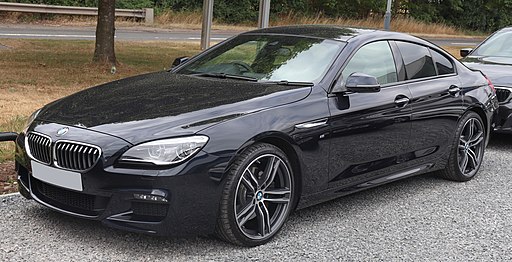
The BMW 6 Series was conceived as a premium grand tourer positioned above the 5 Series, focusing on design, high-speed comfort, and powerful drivetrains rather than pure practicality. On the used car market, this positioning becomes particularly attractive, as depreciation significantly lowers purchase prices while the core engineering remains highly sophisticated. The 6 Series has been offered as a coupe, convertible, and four-door Gran Coupe, all sharing a low-slung body, long wheelbase, and wide track. Depending on generation and body style, overall length typically exceeds 4.8 meters, while kerb weight ranges from approximately 1650 kg for early petrol coupes to well over 1900 kg for later diesel or all-wheel-drive versions. Extensive use of high-strength steel, aluminum panels, and in some cases composite materials contributes to torsional rigidity and refined ride quality, which are critical for long-distance cruising at sustained speeds.
Engine Range and Power Delivery
Used BMW 6 Series models are defined by their wide and powerful engine selection, most of which are six- or eight-cylinder units designed for smooth torque delivery and effortless performance. Inline-six petrol engines such as those found in the 640i typically produce between 315 and 335 hp, delivering strong acceleration with a linear power curve and a refined exhaust note. V8 petrol variants, including the 650i, elevate output into the 440 to 450 hp range, enabling acceleration figures that rival dedicated sports cars, though at the cost of higher fuel consumption and increased thermal stress on engine components. Diesel options such as the 640d are notable for their high torque outputs, often exceeding 600 Nm, which allows relaxed high-speed driving and impressive in-gear acceleration while maintaining fuel consumption figures that can remain below 7 liters per 100 km on long motorway journeys. As with any used high-performance vehicle, engine reliability is closely linked to oil quality, service intervals, and cooling system health, as neglected examples may develop turbocharger, injector, or gasket-related issues.
Transmission Systems and Drivetrain Layout
The majority of BMW 6 Series vehicles on the used market are equipped with automatic transmissions, most commonly the ZF eight-speed unit, which is engineered to handle high torque loads while maintaining smooth, near-imperceptible shifts during normal driving. This transmission adapts to driver behavior and road conditions, contributing to both performance and efficiency. Manual gearboxes are rare and typically limited to earlier models or specific markets. Rear-wheel drive is the standard configuration, preserving classic BMW handling characteristics and balanced weight distribution, while xDrive all-wheel drive is available on certain variants, particularly in regions with challenging weather conditions. While xDrive improves traction and stability, it introduces additional components such as a transfer case and front driveshafts, which should be carefully inspected in used vehicles due to their potential impact on long-term maintenance costs.
Suspension Architecture and Driving Dynamics
The BMW 6 Series employs a sophisticated suspension setup designed to balance comfort and dynamic capability at high speeds. A multi-link rear axle and advanced front suspension geometry provide stability during aggressive cornering while isolating occupants from road imperfections. Many used examples are equipped with adaptive suspension systems that adjust damping rates in real time, offering selectable driving modes that range from comfort-oriented cruising to sport-focused responsiveness. Active anti-roll bars and rear-wheel steering were optional on certain generations, further enhancing agility despite the car’s substantial size. Steering systems transitioned from hydraulic to electric assistance in later models, improving efficiency while slightly altering feedback. When assessing a used vehicle, attention should be given to suspension bushings, dampers, and electronic control units, as wear or failure in these components can significantly affect ride quality and lead to high repair costs.
Interior Design, Materials, and Technology
Inside, the BMW 6 Series reflects its grand touring focus through a combination of high-quality materials, driver-centric ergonomics, and advanced technology. Leather upholstery, brushed aluminum or wood trim, and tightly fitted panels are standard in most trims, contributing to a cabin that ages well when properly maintained. Front seating comfort is a standout feature, with multi-contour seats, extensive electric adjustment, heating, and ventilation often included. Rear seat space varies by body style, with the Gran Coupe offering more usable legroom compared to the coupe and convertible. Technology features include large infotainment displays, advanced navigation systems, head-up displays, and a range of driver assistance systems. Electrical complexity is relatively high, and used buyers should verify full functionality of infotainment, climate control, and driver aids, as troubleshooting electronic issues can be time-consuming and costly.
Maintenance Requirements and Ownership Considerations
As a used car, the BMW 6 Series demands a proactive approach to maintenance. Service intervals should be shorter than manufacturer minimums to preserve engine and transmission longevity, particularly for turbocharged and V8 variants. Brake systems are high-performance units designed to manage significant mass and speed, resulting in higher-than-average wear rates. Suspension components, tires, and wheel alignments also require regular attention due to the vehicle’s weight and performance potential. Insurance and fuel costs are typically higher than those of mid-size sedans, reflecting the car’s premium status. However, access to specialist workshops and high-quality aftermarket parts can help manage overall ownership expenses without compromising reliability.
Practicality, Depreciation, and Long-Term Appeal
While not primarily designed as a family vehicle, the BMW 6 Series offers sufficient practicality for everyday use, particularly in Gran Coupe form, which provides four doors and a usable boot. Convertible models sacrifice some boot space due to roof mechanisms but deliver a distinct open-air driving experience. Depreciation is one of the most compelling aspects of the 6 Series as a used car, with many examples losing a substantial portion of their original value within the first few years. This creates an opportunity to acquire a technologically advanced, high-performance grand tourer at a fraction of its new price. Long-term appeal is strongest for well-maintained six-cylinder models, which tend to offer a more favorable balance between performance, reliability, and running costs. As a used purchase, the BMW 6 Series stands out as a technically complex yet rewarding vehicle that delivers luxury, speed, and refinement when supported by diligent maintenance and informed ownership.
