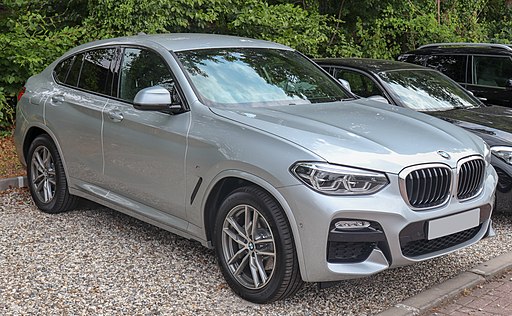
The BMW X4 represents a distinctive niche in the compact luxury SUV segment by blending typical SAV (Sports Activity Vehicle) capability with a coupé-like roofline that emphasizes sportiness and style. As a used car, the X4 attracts buyers who value dynamic styling, premium features, and strong performance but want to avoid new-car depreciation. Its sloping rear profile gives it visual dynamism compared to the more upright X3, though at the cost of slightly reduced rear headroom and cargo access. Successive generations of the X4 have built on a well-engineered platform that offers all-wheel drive and a range of engines, from efficient four-cylinder units to potent six-cylinder configurations. The X4’s position on the used market is often driven by its combination of luxury cues, technological content, and differentiating design, but buyers should understand that as with many premium German models, ownership costs and maintenance expectations must be factored into the total cost of owning a used example.
Engine Options and Technical Performance
The technical heart of the BMW X4 on the used market varies by generation and year, with a broad spectrum of powertrain choices. Entry-level petrol variants such as the xDrive20i typically use a 2.0-liter four-cylinder turbocharged engine delivering around 184 hp (135 kW) and approximately 300 Nm of torque, paired with an eight-speed automatic transmission and BMW’s xDrive all-wheel-drive system. These base engines often include a 48-volt mild-hybrid system that provides modest electric assist and improves start-stop behavior and efficiency. Performance figures for this engine commonly show a 0–100 km/h time in the low 8-second range with a top speed around 215 km/h, and combined fuel consumption generally lies in the mid-7 to low-8 L/100 km bracket under WLTP testing. Moving up the lineup, versions like the xDrive30i push power to roughly 245 hp (180 kW) with torque around 350 Nm, delivering sharper acceleration (around 6.6 s to 100 km/h) and higher top speed, while diesel variants such as the xDrive20d and xDrive30d offer strong low-end torque (with diesel torque figures around 400 Nm) and typically improved real-world economy. At the top end, performance models like the M40i or M40d incorporate six-cylinder engines with power outputs in excess of 360 hp (265 kW) and torque figures around 500 Nm, allowing brisk 0–100 km/h times in the sub-5-second range and enhanced chassis dynamics that appeal to enthusiast drivers. These varied engines give used buyers choices between efficiency-oriented cruisers and performance-biased examples, each with distinct character and operating costs.
Dimensions, Weight and Utility
Dimensionally, the BMW X4 sits in the compact luxury SUV category but leans stylishly toward sportiness with its coupé silhouette. Typical measurements for many later-generation models show an overall length around 4,751 mm, a width near 1,918 mm and a height of approximately 1,621 mm, sitting on a wheelbase of roughly 2,864 mm. This footprint yields a usable interior with seating for five, though the sloping roofline slightly constrains rear headroom compared with more traditional SUV rivals. Cargo volume ranges from about 525 liters with the rear seats upright to around 1,430 liters with seats folded, offering reasonable utility for weekend luggage or daily errands. Curb weight varies by powertrain and equipment, often settling around 1,875–1,995 kg for typical four-cylinder and mid-range six-cylinder variants, and permitted gross vehicle weight approaching the mid-2,400–2,500 kg range, which reflects a balance between performance capability and structural safety margins. Towing capacity on many used X4 models is usually rated up to around 2,400 kg for braked trailers, making it versatile enough for towing a small caravan or a boat when required. Fuel tank capacity typically sits near 65–68 liters, which, in combination with the measured consumption figures, enables a decent driving range between fill-ups even on long journeys.
Driving Dynamics and Handling
The BMW X4’s hallmark is its dynamic driving experience, which often feels more agile than traditional SUVs in the same class. The combination of balanced chassis tuning, all-wheel-drive traction and responsive steering gives the X4 a composed feel in corners and confidence-inspiring stability at speed. Lower-powered four-cylinder models still exhibit BMW’s characteristic rear-biased dynamics, while the higher-powered six-cylinder versions, particularly those equipped with sport or adaptive suspension options, sharpen turn-in and reduce body roll. Transmission behavior from the eight-speed automatic is generally smooth and quick to select appropriate ratios for both spirited driving and relaxed cruising. Buyers of used models often note that suspension setups oriented toward sport can produce a firmer ride, which is desirable on smooth tarmac but may be less comfortable on rough surfaces. Optional features like adaptive dampers, variable sport steering, and performance brakes can further tailor the driving experience but also add to purchase prices and future maintenance considerations.
Fuel Economy and Emissions
Fuel economy numbers for used BMW X4 examples vary with engine choice and model year but typically align with expectations for a performance-oriented compact luxury SUV. Four-cylinder petrol variants often record combined consumption figures in the 7.5–8.5 L/100 km range under standardized testing, while the addition of mild-hybrid systems helps refine urban stop-start efficiency. Diesel versions, especially those with higher torque ratings, tend to return lower fuel consumption figures on extra-urban runs but can still match petrol counterparts under mixed driving. Six-cylinder petrol engines predictably consume more fuel, with combined figures climbing into the high-8 to low-10 L/100 km range, and CO₂ emissions correspondingly higher. Actual real-world consumption will depend heavily on driving style, load and prevailing conditions, but understanding these figures helps used buyers set realistic expectations for running costs. (BMW)
Used Ownership Considerations and Practical Tips
Prospective buyers considering a used BMW X4 should pay close attention to maintenance history and overall condition, as premium vehicles can incur higher service and repair costs than mainstream alternatives. Key aspects to inspect include the service record, timing of major items like brake and suspension components, and any signs of irregular wear. Common discussions among owners highlight that, especially on older models, components such as turbochargers, electronic actuators and cooling systems can require attention as mileage increases, so ensuring these systems have been regularly inspected or replaced can save surprises down the line. Mileage ranges around 60,000–90,000 km are frequently discussed as reasonable for used X4s when balanced against age and price, though bidders should always prioritize documented care over mileage alone. Additionally, verifying that any updates or recalls have been addressed, and considering an independent pre-purchase inspection can provide increased confidence in a used purchase. Balancing the X4’s strong dynamic character, distinctive aesthetics and luxury features with a clear understanding of ownership costs will help buyers secure a rewarding used-car experience.
