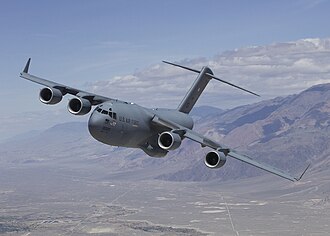
Boeing C-17 Globemaster III: The Strategic Airlifter That Redefined Modern Military Logistics
The Aircraft That Changed the Way Nations Move Forces
The Boeing C-17 Globemaster III is widely regarded as one of the most capable military transport aircraft ever built. Designed to combine the range of a strategic airlifter with the flexibility of a tactical transport aircraft, the C-17 transformed the way modern armed forces deploy troops, equipment, humanitarian aid, and emergency supplies around the world. Since entering service in the 1990s, it has become a cornerstone of global military mobility, supporting operations in remote locations, delivering disaster relief, and transporting some of the heaviest and most valuable military assets.
Developed by Boeing, the C-17 was created to replace older airlifters such as the Lockheed C-141 Starlifter while complementing the larger Lockheed C-5 Galaxy. Its design philosophy focused on versatility: the aircraft needed to carry heavy cargo over intercontinental distances but also operate from relatively short and poorly prepared runways close to combat zones. This combination of capabilities made the Globemaster III unique among military transports.
Although production ended in 2015, the C-17 remains in active service with several air forces worldwide and continues to demonstrate its value in a rapidly changing security environment. Its reliability, impressive payload capacity, and ability to operate in demanding conditions have made it an enduring symbol of modern air mobility.
The Development of the Boeing C-17 Globemaster III
A Response to Changing Military Requirements
The origins of the C-17 date back to the late 1970s and early 1980s, when the United States Air Force began searching for a new generation of strategic transport aircraft. Existing platforms were increasingly limited by changing military requirements, particularly the need to move armored vehicles, helicopters, troops, and supplies quickly across continents. The Cold War had created a demand for rapid reinforcement capabilities, but future conflicts were expected to require greater flexibility and operations from locations with limited infrastructure.
The program that eventually became the C-17 was initially known as the Advanced Medium STOL Transport project. The goal was ambitious: create an aircraft capable of performing strategic missions while retaining short takeoff and landing capabilities. Several manufacturers competed for the contract, and the design proposed by McDonnell Douglas was selected in 1981. The company later became part of Boeing following a major aerospace industry merger in the 1990s.
The first prototype completed its maiden flight in September 1991, beginning an extensive testing program that evaluated the aircraft’s performance, cargo-handling systems, and ability to operate under challenging conditions. The first production aircraft was delivered to the United States Air Force in 1993, marking the beginning of a new era in military transportation.
Combining Strategic Reach and Tactical Flexibility
Traditional strategic airlifters were designed primarily for long-distance transportation between major air bases, while tactical transports were optimized for operations closer to the battlefield. The C-17 was designed to bridge this gap. It could fly thousands of kilometers with heavy payloads while still landing on shorter runways near operational areas.
This flexibility became one of the aircraft’s defining characteristics. A C-17 could depart from a major air base, cross an ocean, land on an austere runway, unload cargo rapidly, and return without requiring extensive ground support. This capability dramatically improved military responsiveness and reduced dependence on large logistical networks.
Design and Engineering Excellence
A Large Aircraft Built for Difficult Missions
The Boeing C-17 features a high-wing design, four powerful engines, a spacious cargo compartment, and a rear loading ramp that allows vehicles and equipment to be loaded directly. Unlike many commercial aircraft adapted for military use, the C-17 was designed from the beginning around military requirements.
Its cargo bay is large enough to carry a wide variety of equipment, including main battle tanks, armored vehicles, helicopters, artillery systems, and humanitarian supplies. The aircraft can transport up to 102 paratroopers or approximately 134 passengers depending on mission configuration. Its internal layout allows rapid changes between cargo, passenger, and medical evacuation roles.
The aircraft’s advanced flight control system and aerodynamic design allow it to perform maneuvers that would be impossible for many aircraft of similar size. Despite its enormous dimensions, the C-17 can execute steep approaches, tight turns, and operations from challenging airfields.
Powerful Engines and Advanced Flight Systems
The C-17 is powered by four Pratt & Whitney F117 turbofan engine engines, each producing approximately 40,000 pounds of thrust. These engines provide the power necessary for heavy takeoffs while also offering efficient long-range performance.
The aircraft incorporates advanced avionics, including digital flight controls, modern navigation systems, and defensive equipment designed to increase survivability in hostile environments. Its cockpit was designed with a high level of automation, reducing crew workload compared with older military transports.
The combination of power, automation, and structural strength allows the C-17 to perform missions ranging from routine logistics flights to complex military operations in demanding environments.
Operational Capabilities of the Globemaster III
Global Military Mobility
The primary mission of the C-17 is strategic and tactical airlift. It enables armed forces to rapidly move personnel and equipment wherever they are needed. During military operations, this capability can determine how quickly a nation responds to emerging crises.
The United States Air Force has used the C-17 extensively in operations across the Middle East, Europe, and the Indo-Pacific region. The aircraft has transported troops, vehicles, ammunition, medical supplies, and humanitarian equipment during numerous operations.
Beyond military missions, the C-17 has played an important role in international disaster relief efforts. Its large cargo capacity allows it to deliver emergency supplies, rescue equipment, and medical resources after earthquakes, hurricanes, and other major disasters.
Short Runway Operations
One of the C-17’s most impressive features is its ability to operate from relatively short and unprepared runways. This capability allows it to reach locations that would be inaccessible to larger strategic transports.
The aircraft can land on runways only around 900 meters long under certain conditions, making it particularly valuable for supporting forces in remote regions. Its reinforced landing gear, powerful engines, and sophisticated braking systems allow operations from airfields that would challenge many other aircraft.
This ability also improves humanitarian response. A C-17 can bring large quantities of supplies directly to affected areas instead of relying on multiple transfers through major airports.
Global Operators and International Importance
A Worldwide Military Transport Platform
Although developed primarily for the United States Air Force, the C-17 became an important asset for several allied nations. Countries operating the aircraft include the United Kingdom, Australia, Canada, India, Qatar, Kuwait, and the United Arab Emirates, among others.
The aircraft’s international popularity reflects its unique combination of capability and reliability. Many nations selected the C-17 because it provided a level of strategic mobility previously available only to the largest military powers.
The multinational use of the aircraft also strengthened cooperation between allied forces. Shared platforms simplify logistics, training, and joint operations during international missions.
The End of Production and Continuing Legacy
Production of the C-17 ended in 2015 after 279 aircraft had been built. The decision to stop manufacturing was influenced by changing military priorities, budget considerations, and reduced demand for new airlifters.
Despite the end of production, the aircraft remains highly valued. Many operators plan to keep their fleets active for decades due to the C-17’s durability and the lack of a direct replacement offering the same combination of strategic range and tactical flexibility.
The Globemaster III represents the peak of a particular approach to military transport design: an aircraft capable of moving enormous loads while remaining agile enough to operate close to the front lines.
The Future of the Boeing C-17 Globemaster III
As military operations become increasingly dependent on rapid deployment and global logistics, the importance of heavy airlift remains significant. Although newer technologies such as unmanned aircraft and improved logistics networks are changing military planning, large transport aircraft continue to play a vital role.
The C-17’s ability to transport oversized cargo, evacuate personnel, and support humanitarian missions ensures that it remains relevant. Upgrades to avionics, maintenance systems, and operational procedures are helping extend the service life of existing aircraft.
The Globemaster III may no longer be in production, but its influence on military aviation is undeniable. It demonstrated that a single aircraft could successfully combine the roles of strategic transporter and tactical workhorse, creating a new standard for military air mobility.
Technical Specifications of the Boeing C-17 Globemaster III
| Specification | Details |
|---|---|
| Manufacturer | Boeing (originally McDonnell Douglas) |
| Type | Strategic and tactical military transport aircraft |
| First flight | 15 September 1991 |
| Entered service | 1995 |
| Production period | 1991–2015 |
| Number built | 279 aircraft |
| Crew | 3 (2 pilots and 1 loadmaster) |
| Passenger capacity | Up to 134 passengers |
| Paratrooper capacity | Up to 102 troops |
| Length | 53.0 m |
| Wingspan | 51.75 m |
| Height | 16.8 m |
| Cargo compartment length | Approximately 26 m |
| Maximum payload | About 77,500 kg |
| Engines | 4 × Pratt & Whitney F117 turbofan engines |
| Thrust per engine | Approximately 40,440 lbf |
| Maximum speed | About Mach 0.77 (approximately 830 km/h) |
| Cruise speed | Approximately 830 km/h |
| Range | About 4,500 km with maximum payload |
| Ferry range | Approximately 10,000 km |
| Service ceiling | About 13,700 m |
| Takeoff distance | Approximately 2,300 m (typical conditions) |
| Landing capability | Designed for short and austere runways |
| Main roles | Cargo transport, troop movement, medical evacuation, humanitarian relief |
Conclusion: The Lasting Legacy of an Aviation Giant
The Boeing C-17 Globemaster III is more than a military transport aircraft; it is a strategic instrument that has reshaped how nations respond to crises and conduct global operations. Its ability to carry enormous loads, fly long distances, and operate from challenging airfields has made it one of the most important airlifters of the modern era.
While newer aircraft may eventually replace parts of its mission portfolio, the C-17 remains a benchmark for military transport design. Its combination of strength, flexibility, and reliability has earned it a unique place in aviation history. For more than three decades, the Globemaster III has proven that mobility is one of the most powerful capabilities a modern military can possess.
