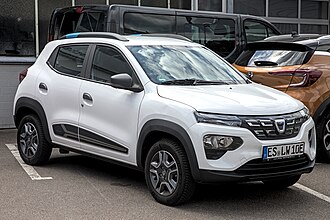
Dacia Spring Faults – The Most Common Problems, Weaknesses, and Ownership Experience
The automotive world has changed dramatically over the last decade. Electric vehicles have evolved from niche products purchased mainly by enthusiasts into mainstream transportation options available to a wide audience. Among the most affordable electric cars ever introduced to the European market is the Dacia Spring. Developed as a budget-friendly urban electric vehicle, the Spring quickly gained popularity among drivers looking for a simple, practical, and inexpensive way to enter the world of electromobility.
The appeal of the Dacia Spring is easy to understand. It offers a fully electric powertrain at a price point that many competing manufacturers simply cannot match. Combined with low running costs, modest maintenance requirements, and practical dimensions for city driving, it has become a common sight on European roads.
However, as with every vehicle, the Dacia Spring is not without its faults. Buyers often wonder whether the low purchase price comes with compromises in reliability, build quality, comfort, or durability. While many owners report years of trouble-free driving, others have experienced issues ranging from software glitches and charging problems to suspension wear and quality concerns.
This article explores the most commonly reported Dacia Spring faults, examines long-term reliability, discusses ownership experiences, and helps prospective buyers understand what they can realistically expect from this budget electric vehicle.
The Dacia Spring Concept
Before discussing faults, it is important to understand the philosophy behind the vehicle.
The Dacia Spring was never designed to compete directly with premium electric cars. Instead, it was engineered with affordability as the primary objective. Many of its components are intentionally simple and cost-effective. The vehicle is lightweight, relatively small, and optimized for urban mobility rather than long-distance travel.
Because of this design philosophy, some characteristics that might be considered faults in a more expensive vehicle are actually compromises made to achieve an attractive price point.
Nevertheless, genuine reliability concerns do exist, and owners should be aware of them.
Battery-Related Issues
Battery Degradation Concerns
One of the most common questions regarding any electric vehicle concerns battery longevity.
Fortunately, the Dacia Spring’s battery generally performs well. Most owners report relatively slow degradation compared with early electric vehicle models. However, some users have noticed a gradual reduction in driving range after several years of ownership.
Typical symptoms include:
- Reduced maximum range
- Faster battery discharge during winter
- Increased charging times
- Less predictable battery percentage readings
In most cases, these issues are not severe and remain within normal expectations for lithium-ion batteries.
The lightweight design of the Spring actually helps preserve battery health because the pack is subjected to less stress than in heavier electric vehicles.
Range Reduction in Cold Weather
Cold weather significantly affects the Dacia Spring.
Many owners report that winter driving can reduce real-world range by 20% to 40%. This is particularly noticeable when using cabin heating, which consumes a substantial portion of the available battery energy.
Common complaints include:
- Unexpected range loss
- Slower charging during winter
- Reduced regenerative braking efficiency
- Increased energy consumption
Although not technically a fault, these characteristics often surprise first-time electric vehicle owners.
Charging System Problems
Charging Interruptions
One frequently discussed issue among owners involves charging interruptions.
Some users have reported situations where charging unexpectedly stops before reaching full capacity. Possible causes include:
- Communication errors between charger and vehicle
- Charging station compatibility issues
- Software bugs
- Charging cable defects
In many cases, restarting the charging session resolves the problem.
Home Charging Difficulties
Certain owners have experienced difficulties when charging from domestic outlets.
Reported issues include:
- Slow charging speeds
- Charging refusal
- Overheating plugs
- Circuit breaker trips
Often these problems are related to household electrical installations rather than the vehicle itself. Nevertheless, they contribute to owner frustration.
Public Charger Compatibility
Although the Spring supports public charging networks, compatibility problems occasionally occur.
Drivers sometimes encounter:
- Failure to authenticate charging sessions
- Interrupted charging cycles
- Communication errors
- Charging speed inconsistencies
Software updates have improved compatibility over time, but some issues still occur depending on charging infrastructure.
Software and Electronic Faults
Infotainment System Glitches
The infotainment system is one of the most frequently criticized aspects of the Dacia Spring.
Owners have reported:
- Frozen screens
- Delayed responses
- Bluetooth connection failures
- Navigation issues
- Smartphone pairing problems
Because the system is relatively simple compared to premium competitors, some users expect flawless performance and become disappointed when occasional glitches occur.
Fortunately, many software-related issues can be corrected through updates.
Dashboard Warning Lights
Unexpected warning lights are another common complaint.
Drivers occasionally report alerts involving:
- Tire pressure monitoring systems
- Battery management systems
- Electronic stability control
- Charging system notifications
Many of these warnings disappear after restarting the vehicle, suggesting software rather than hardware faults.
Instrument Cluster Errors
Some owners have experienced temporary inaccuracies in displayed information.
Examples include:
- Incorrect range estimates
- Battery percentage fluctuations
- Delayed trip data updates
- Momentary communication faults
While generally not dangerous, such issues can undermine driver confidence.
Build Quality Concerns
Interior Material Wear
One area where the Dacia Spring clearly reflects its budget origins is interior quality.
Several owners have reported:
- Scratched plastic surfaces
- Premature wear on seat fabrics
- Loose trim pieces
- Door panel rattles
Hard plastics dominate the cabin. While durable in many respects, they are more prone to cosmetic wear than premium materials.
Cabin Rattles and Noises
Interior rattles represent one of the most commonly mentioned owner complaints.
Potential sources include:
- Dashboard components
- Door trim
- Rear hatch mechanisms
- Seat mountings
These noises often become more noticeable as the vehicle ages or is driven on rough roads.
Weather Sealing Issues
A smaller number of owners have reported concerns regarding weather sealing.
Symptoms may include:
- Wind noise
- Water ingress
- Condensation inside lights
- Moisture accumulation around seals
Such issues are not widespread but have appeared in owner discussions.
Suspension Problems
Front Suspension Wear
The front suspension can experience accelerated wear, particularly on poor road surfaces.
Commonly affected components include:
- Bushings
- Ball joints
- Stabilizer links
Symptoms may include:
- Knocking noises
- Vibrations
- Reduced ride quality
- Steering imprecision
Because the vehicle is lightweight, suspension components generally last well, but rough roads can shorten their lifespan.
Ride Comfort Limitations
Many drivers criticize the ride quality.
The suspension setup prioritizes affordability and simplicity over refinement.
As a result:
- Potholes can feel harsh
- Speed bumps may generate significant body movement
- Road imperfections are easily transmitted into the cabin
Again, this is partly a design compromise rather than a defect.
Steering System Complaints
Steering Feel
The electric steering system has received mixed reviews.
Some owners describe it as:
- Overly light
- Artificial feeling
- Lacking feedback
While this setup is ideal for city parking, it may feel less confidence-inspiring at higher speeds.
Steering Noise
A small number of owners have reported noises originating from steering components.
Possible symptoms include:
- Clicking sounds
- Creaking during low-speed maneuvers
- Occasional vibration
Such issues typically require inspection of steering joints and suspension components.
Brake System Issues
Brake Corrosion
Brake corrosion is a common issue among electric vehicles.
Because regenerative braking reduces use of the friction brakes, discs and pads may accumulate rust more quickly than on conventional vehicles.
Owners sometimes observe:
- Surface rust
- Brake noise
- Reduced braking smoothness
- Uneven pad wear
Regular use of conventional braking can help minimize this problem.
Brake Noise
Squealing and grinding noises are occasionally reported.
Potential causes include:
- Corrosion
- Dust accumulation
- Pad glazing
- Moisture
Most cases are relatively minor and do not affect safety.
Air Conditioning and Heating Faults
Weak Cabin Heating
One criticism frequently raised by owners concerns heating performance during winter.
Common complaints include:
- Slow warm-up times
- Reduced range when heating is active
- Uneven cabin temperature
The issue stems partly from the vehicle’s efficiency-focused design.
Air Conditioning Malfunctions
Some owners have reported:
- Reduced cooling performance
- Compressor faults
- Software-related climate control errors
While not widespread, such problems can affect comfort during summer months.
Door and Locking System Problems
Central Locking Faults
Electronic locking issues occasionally appear.
Reported symptoms include:
- Doors failing to unlock
- Delayed locking response
- Remote key recognition problems
In many cases, software updates resolve these issues.
Door Handle Wear
Frequent use can cause visible wear on door handles.
Some owners have also reported looseness or minor alignment issues after extended ownership.
Electrical Problems
12-Volt Battery Issues
Perhaps surprisingly, many electric vehicle problems originate from the traditional 12-volt battery.
When this battery weakens, symptoms can include:
- Failure to start vehicle systems
- Electronic warnings
- Charging interruptions
- System resets
Replacing the battery often resolves numerous seemingly unrelated issues.
Sensor Malfunctions
Owners occasionally report failures involving:
- Tire pressure sensors
- Parking sensors
- Lighting sensors
Most failures are isolated and relatively inexpensive to repair.
Real-World Reliability
Positive Ownership Experiences
Despite the faults discussed above, many owners report remarkably positive experiences.
The most frequently praised characteristics include:
- Low operating costs
- Excellent urban maneuverability
- Simple mechanical design
- Reliable electric drivetrain
- Minimal maintenance requirements
Many drivers complete years of ownership without experiencing major repairs.
Areas of Long-Term Strength
The Dacia Spring demonstrates several impressive strengths:
- Durable electric motor
- Generally reliable battery system
- Low servicing costs
- Affordable replacement parts
- Simple engineering
These factors contribute significantly to overall ownership satisfaction.
Is the Dacia Spring Reliable?
The answer depends largely on expectations.
If compared with premium electric vehicles costing two or three times as much, the Dacia Spring clearly shows compromises in refinement, comfort, technology, and build quality.
However, when evaluated within its price category, its reliability performance is generally respectable.
The most common faults tend to involve:
- Software glitches
- Charging inconsistencies
- Interior rattles
- Suspension wear
- Minor electrical problems
- Infotainment issues
Catastrophic failures involving the battery or electric motor remain relatively uncommon.
Should You Buy a Used Dacia Spring?
For buyers considering a used example, several inspection points deserve attention.
Check:
- Battery health reports
- Charging functionality
- Suspension noises
- Tire condition
- Software update history
- Interior wear
- Warning lights
- Climate control operation
A well-maintained Dacia Spring can provide an economical and practical ownership experience, especially for urban drivers with predictable daily mileage.
Those expecting luxury, high-speed touring capability, or premium build quality may find its limitations frustrating.
Conclusion
The Dacia Spring occupies a unique position in the automotive market. It delivers fully electric transportation at a price that remains accessible to many buyers who would otherwise be unable to consider an electric vehicle. This achievement alone explains much of its popularity.
Like any budget-focused vehicle, compromises exist. Owners most commonly report software glitches, charging irregularities, suspension wear, interior quality concerns, and occasional electrical faults. Fortunately, serious drivetrain failures appear relatively rare, and the battery system has generally demonstrated encouraging durability.
For urban commuters seeking affordable electric mobility, the Dacia Spring remains a compelling option despite its shortcomings. Understanding its faults before purchase allows buyers to set realistic expectations and appreciate the vehicle for what it is: a simple, cost-effective electric city car rather than a premium EV.
Dacia Spring Technical Specifications
| Parameter | Dacia Spring Electric 45 | Dacia Spring Electric 65 |
|---|---|---|
| Vehicle Type | Compact Electric Crossover | Compact Electric Crossover |
| Drive Type | Front-Wheel Drive | Front-Wheel Drive |
| Electric Motor Power | 33 kW (45 hp) | 48 kW (65 hp) |
| Torque | 125 Nm | 125 Nm |
| Battery Capacity (Gross) | 26.8 kWh | 26.8 kWh |
| Battery Type | Lithium-Ion | Lithium-Ion |
| WLTP Range | Up to 225 km | Up to 220 km |
| Urban WLTP Range | Up to 305 km | Up to 305 km |
| Top Speed | 125 km/h | 125 km/h |
| 0–100 km/h Acceleration | Approx. 19.1 s | Approx. 13.7 s |
| AC Charging Power | Up to 6.6 kW | Up to 6.6 kW |
| DC Fast Charging | Up to 30 kW (optional) | Up to 30 kW (optional) |
| Length | 3,701 mm | 3,701 mm |
| Width | 1,583 mm | 1,583 mm |
| Height | 1,519 mm | 1,519 mm |
| Wheelbase | 2,423 mm | 2,423 mm |
| Ground Clearance | Approx. 151 mm | Approx. 151 mm |
| Boot Capacity | 308 L | 308 L |
| Kerb Weight | Approx. 970 kg | Approx. 1,045 kg |
| Seating Capacity | 4–5 Persons | 4–5 Persons |
| Energy Consumption | Approx. 13.9–14.5 kWh/100 km | Approx. 14.0–14.6 kWh/100 km |
