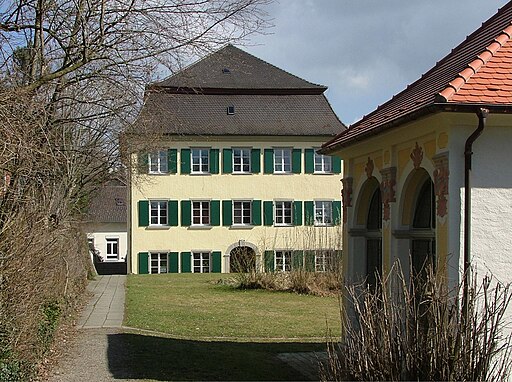
Schloss Hummelsberg
Schloss Hummelsberg perches atop a gentle rise overlooking the winding Hummel River in northern Bavaria. Its sturdy towers and softly hued walls rise above a tapestry of orchards, vineyards, and ancient woodlands. More than a centuries-old relic, the castle embodies the evolving ambitions of regional lords and the artistic currents that have shaped Franconia’s cultural landscape.
Location and Landscape
Schloss Hummelsberg stands on a limestone outcrop at the edge of the Hummel Valley. Below, terraced vineyards cling to sunlit slopes, while dense beech forests cloak the surrounding hills. In spring, orchards burst into white and pink blossoms. In autumn, the valley glows in amber tones, and in winter, frost-laced branches frame the castle’s silhouette against a pale sky.
Strategic Vantage Point
The castle’s founders recognized the hill’s commanding view over trade routes that linked Nuremberg to Bamberg. From the battlements, sentries once scanned for merchant convoys laden with salt and timber. Today, visitors still feel the strategic importance as they look out across the valley’s patchwork fields.
Natural Features
A clear spring bubbles at the hill’s base, feeding a small moat that surrounded the medieval keep. Native wildflowers carpet the grass beside forest trails, and the Hummel River’s gentle murmur provides a constant soundtrack. Seasonal floods once threatened the lower terraces, prompting early engineers to carve drainage channels into the rock.
Early Foundations and Medieval Origins
The earliest record of a fortification on Hummelsberg dates to the late 12th century, when Bishop Heinrich of Bamberg commissioned a watchtower to protect his diocese’s northern flank. Built from local limestone, the original tower rose nearly twenty meters above its foundation and featured small arrow slits for archers.
The First Keep
The medieval keep formed the nucleus of what would become Schloss Hummelsberg. Its ground floor served as storage for grain and provisions, while the upper chamber provided living space for the castellan and his small retinue. A wooden hoist and trapdoor eased the transport of goods between levels.
Expansion into a Fortress
Throughout the 13th and 14th centuries, successive bishops reinforced the hilltop stronghold. Curtain walls, round bastions, and a double-gated barbican transformed the solitary tower into a formidable fortress. A dry moat and drawbridge enhanced security, reflecting the castle’s growing role as a center of ecclesiastical power.
Renaissance Reimagining
By the dawn of the 16th century, military technologies had rendered medieval fortifications less effective. Bishop Albrecht II initiated a Renaissance makeover that prioritized comfort and representation over pure defense. He commissioned master builders from Vienna to add residential wings and refine facades with classical motifs.
South Wing and Loggia
The new south wing introduced wide mullioned windows and ornate corbels supporting a columned loggia. From its arched openings, the bishop hosted diplomatic receptions overlooking the valley. Stone balustrades and sculpted reliefs of grapevines celebrated the region’s winemaking heritage.
Courtyard Transformation
The original parade ground evolved into an elegant courtyard paved with black and white flagstones. A central fountain, crowned by a marble statue of Saint George, became the focal point for outdoor ceremonies. Arcades on three sides provided sheltered walkways and spaces for musicians or heralds.
Baroque Flourishes and Interior Marvels
As Baroque tastes swept through Europe in the 17th century, Schloss Hummelsberg adopted grand new elements. Bulbous domes crowned the gatehouse towers, and grand stucco work adorned the entrance hall. Inside, artisans transformed plain chambers into dazzling examples of late-Baroque opulence.
The Great Hall
The Great Hall became the heart of ceremonial life. Its high ceiling displayed a frescoed sky of swirling putti and allegorical figures representing faith, hope, and charity. Gilded cornices framed crystal chandeliers, while heavy velvet drapes softened the stone walls.
Private Apartments
Beyond the public spaces, the bishop’s private apartments featured carved oak panels, parquet floors, and silk tapestries imported from Flanders. A hidden spiral staircase led to a small library, where illuminated manuscripts and early printed books reflected the owner’s scholarly pursuits.
Chapel of the Hummel Saints
Tucked into the north wing, the chapel honored local martyr saints whose legends intertwined with the Hummel River’s healing waters. Stained-glass windows bathed the interior in jewel tones, and a polychrome altarpiece depicted miracles performed along the riverbanks.
Gardens, Grounds, and Water Features
The castle’s designers harmonized architecture with nature, creating a series of terraced gardens that descended toward the river. Each level offered a distinct character and purpose, from ornamental parterres to functional kitchen gardens.
Terraced Parterres
Boxwood hedges outlined intricate geometric patterns of lavender, marigolds, and medicinal herbs. Travelers would pause on stone benches to admire the blooming flowers and breathe in their fragrance. Seasonal plantings ensured color throughout the year.
Kitchen and Herb Gardens
Below the parterres lay plots of raised beds where gardeners cultivated vegetables, fruit trees, and aromatic herbs. Copper watering cans and wooden wheelbarrows hint at traditional cultivation methods still demonstrated during summer workshops.
Riverbank Walks and Follies
A meandering path followed the Hummel River’s edge, passing over stone footbridges and by ornamental follies. A rustic pavilion disguised as a ruined temple provided a peaceful retreat for reading or quiet contemplation. Small cascades and stone-lined pools created a soothing, melodious atmosphere.
The Castle in Times of Conflict
Like many European castles, Hummelsberg faced its share of turmoil. The Thirty Years’ War brought occupation by imperial forces, and walls once thought impregnable were tested by cannon fire.
Damage and Reconstruction
Following damaging skirmishes, the 1650s saw extensive rebuilding. Foundations were reinforced, and artillery bastions replaced round towers. The bishop’s successors maintained an uneasy balance between defensive readiness and aesthetic grandeur.
Napoleonic Era Changes
In the early 19th century, secularization stripped the castle of its ecclesiastical status. Temporarily abandoned, it served as a barracks and munitions depot before passing into private hands. New owners adapted interiors for residential use, introducing Biedermeier furniture and early industrial amenities like cast-iron stoves.
20th-Century Revival and Preservation
By the 1920s, neglect threatened Hummelsberg’s survival. A local historic preservation society rallied to purchase the estate and embark on a multi-decade restoration.
Authentic Restoration Techniques
Conservators prioritized traditional craftsmanship. Lime-based mortars replaced modern cement, hand-forged ironwork repaired gates, and fresco-restorers revived faded ceiling paintings using natural pigments. Archival research guided the reproduction of missing decorative elements.
Cultural Reawakening
Reopened as a museum in the 1950s, Schloss Hummelsberg hosted exhibitions on medieval life, Baroque art, and local folklore. Educational programs for schools emphasized hands-on experiences, from weaving workshops to falconry demonstrations in the courtyard.
Contemporary Uses and Events
Today the castle thrives as a living cultural hub, blending history with modern creativity.
Concerts and Performances
The Great Hall resounds with chamber music, early-music ensembles, and contemporary recitals. In summer, open-air concerts in the courtyard draw audiences who dine on local cheeses and wines beneath the turreted skyline.
Arts and Crafts Fairs
Annual artisan markets spotlight woodcarvers, ceramicists, and textile artists who set up stalls along the riverbank trail. Demonstrations of leatherworking, glassblowing, and bookbinding celebrate traditional crafts once patronized by the castle’s former residents.
Scholarly Conferences
Historians and art historians convene in the old library to present research on topics ranging from ecclesiastical patronage to landscape design. Publications born from these gatherings enrich understanding of regional heritage and castle architecture.
Visiting Schloss Hummelsberg
Guided Tours and Highlights
Daily guided tours lead visitors through all major rooms, explaining architectural phases and decorative details. Specialized tours focus on the chapel’s iconography or the secret passages of the medieval keep.
Practical Information
- Opening Hours: Mid-March to early November, with winter weekend openings.
- Tickets: Options include general admission, guided-tour bundles, and family passes.
- Accessibility: Ground-floor spaces and courtyard pathways are wheelchair accessible; upper floors involve historic staircases.
- Location: Ample parking in the valley below, with shuttle service during peak season.
Schloss Hummelsberg in Popular Imagination
Literary and Artistic Inspiration
Novelists have set gothic romances among Hummelsberg’s towers, and poets have likened its silhouette against moonlit skies to medieval dreams. Local painters frequently capture mist-shrouded mornings when the river seems to merge with the castle’s foundations.
Film and Photography
Filmmakers utilize the castle’s blend of styles as a backdrop for historical dramas and fantasy sequences. Photographers prize the interplay of soft morning light and stone textures, producing images that circulate widely on social media and in travel magazines.
Conclusion
Schloss Hummelsberg stands as a testament to adaptability and reverence for craft. Its walls record the passage of bishops, princes, soldiers, and scholars. Whether exploring its medieval keep, strolling terraced gardens, or attending a summer concert beneath vaulted ceilings, each visitor becomes part of the castle’s unfolding story—a narrative woven from stone, wood, water, and human creativity.
