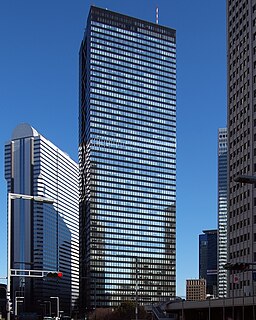
Shinjuku Mitsui Building
Shinjuku Mitsui Building: A Landmark of Modern Japanese Architecture
Shinjuku Mitsui Building is one of the most recognizable skyscrapers in Tokyo, standing as a testament to Japan’s rapid economic growth and architectural innovation in the late 20th century. Located in the heart of Shinjuku, one of Tokyo’s most vibrant commercial districts, this high-rise office tower is a symbol of modernity, resilience, and technological excellence. Since its completion, it has served as a hub for business activities while integrating sustainable features and structural innovations to ensure long-term usability.
Historical Background and Development
Shinjuku Mitsui Building was conceived during Japan’s post-war economic boom when Tokyo was undergoing rapid urbanization. The demand for high-quality office space in the central business district led to the development of several skyscrapers, with the Mitsui Group—one of Japan’s most powerful keiretsu (business conglomerates)—leading the charge.
Construction began in 1972, and the building was completed in 1974, making it one of the first skyscrapers in Shinjuku. Designed by renowned architectural firm Nihon Sekkei, in collaboration with the American firm Skidmore, Owings & Merrill, the building was constructed with state-of-the-art engineering techniques to withstand earthquakes and harsh weather conditions.
Architectural Design and Structural Features
The Shinjuku Mitsui Building stands out with its distinctive black steel-clad façade, giving it a sleek and modern appearance. Unlike many skyscrapers of its time, which utilized concrete exteriors, this building adopted a steel-frame structure inspired by American high-rises, allowing for greater flexibility in design and improved resistance to seismic activity.
The building’s rectangular form and minimalist design are influenced by the International Style, emphasizing clean lines and functional spaces. The use of tinted glass windows provides both an aesthetic appeal and energy efficiency by reducing glare and heat absorption.
Another defining feature of the building is the presence of external diagonal bracings, which add to the structural integrity while giving the tower a unique, high-tech appearance. These bracings are a key part of the building’s earthquake-resistant design, an essential consideration for any structure in Tokyo.
Technical Specifications
Shinjuku Mitsui Building is a marvel of engineering, incorporating advanced construction techniques and high-performance materials. Below are its key technical parameters:
- Height: 225 meters (738 feet)
- Floors: 55 above ground, 3 basement levels
- Total Floor Area: Approximately 190,000 square meters
- Structural System: Steel-framed structure with diagonal bracings for enhanced seismic resistance
- Façade Material: Steel cladding with tinted glass windows
- Elevators: 28 high-speed elevators to ensure efficient vertical transportation
- Seismic Resistance: Designed with reinforced core walls, damping systems, and flexible steel joints to withstand strong earthquakes
- Foundation Type: Deep pile foundation anchored into bedrock for stability
Interior Layout and Functional Spaces
The Shinjuku Mitsui Building was designed to provide a high-quality working environment while accommodating a large number of tenants. The interior spaces are organized efficiently to maximize usability and comfort.
Office Spaces
The majority of the building consists of premium office spaces, catering to multinational corporations, financial institutions, and tech companies. These floors feature open-plan layouts, modern amenities, and high-speed internet connectivity to meet the demands of modern businesses.
Retail and Dining Areas
The lower floors house various retail stores, restaurants, and cafés that cater to office workers and visitors. These commercial spaces contribute to the building’s vibrant atmosphere, making it more than just an office tower.
Conference and Event Facilities
The building also includes several conference rooms and event spaces, equipped with the latest audiovisual technology. These facilities are used for business meetings, corporate events, and exhibitions.
Observation Deck and Public Spaces
While the building does not feature a dedicated observation deck like some of its neighboring towers, the upper floors provide spectacular panoramic views of Tokyo. Additionally, the lobby and outdoor plaza areas offer seating and greenery, creating a welcoming space for both workers and visitors.
Seismic and Disaster-Preparedness Features
Given Japan’s location along the Pacific Ring of Fire, earthquake-resistant construction is a critical aspect of any high-rise building in Tokyo. The Shinjuku Mitsui Building was designed with state-of-the-art seismic safety features:
- Steel Bracing System: The external diagonal bracings enhance the building’s ability to withstand lateral forces caused by earthquakes.
- Reinforced Core Walls: The inner core of the building is reinforced with high-strength concrete and steel to improve stability.
- Flexible Structural Joints: These joints allow the building to absorb seismic shocks without sustaining major structural damage.
- Emergency Power Supply: In case of a power outage, the building is equipped with backup generators to ensure continued operation of essential systems.
- Evacuation Systems: Multiple fireproof stairwells and emergency exits provide safe evacuation routes for occupants.
Sustainability and Energy Efficiency
In recent years, the Shinjuku Mitsui Building has undergone renovations to improve its environmental performance. Some of the key sustainability initiatives include:
- Energy-Efficient Lighting: LED lighting systems have replaced traditional fluorescent bulbs, significantly reducing electricity consumption.
- HVAC Optimization: Modern heating, ventilation, and air conditioning (HVAC) systems have been installed to enhance indoor air quality and reduce energy usage.
- Water Conservation Measures: Water-saving fixtures and rainwater recycling systems have been implemented to reduce water waste.
- Green Spaces: Additional greenery has been incorporated into the outdoor areas to improve air quality and provide a more pleasant environment for workers and visitors.
Impact on Shinjuku’s Skyline and Urban Development
When it was completed, the Shinjuku Mitsui Building was one of the tallest skyscrapers in Japan and played a significant role in transforming Shinjuku into a major business hub. The development of this building set the stage for further high-rise construction in the area, leading to the establishment of Shinjuku’s distinctive skyline, which now includes other notable structures such as the Tokyo Metropolitan Government Building and Mode Gakuen Cocoon Tower.
Beyond its economic impact, the building also influenced architectural trends in Japan. Its use of steel-frame construction inspired future skyscraper projects, and its emphasis on seismic resilience set new standards for high-rise safety.
Future Prospects and Adaptability
Despite being nearly five decades old, the Shinjuku Mitsui Building continues to be a highly desirable commercial space in Tokyo. Thanks to periodic upgrades and renovations, it remains competitive with newer office towers. Its adaptability to changing business needs and commitment to sustainability ensure its relevance for future generations.
Looking ahead, the building may incorporate more smart technology, such as AI-driven building management systems and enhanced energy storage solutions, to further improve efficiency and tenant experience.
Conclusion
Shinjuku Mitsui Building is a landmark of modern Tokyo, representing Japan’s architectural prowess and economic growth. With its cutting-edge seismic resilience, high-tech office spaces, and commitment to sustainability, it remains a key player in the city’s business landscape. More than just a skyscraper, it is a symbol of Tokyo’s ability to innovate, adapt, and thrive in an ever-evolving urban environment. Whether viewed from afar or experienced up close, the Shinjuku Mitsui Building continues to leave a lasting impression as one of Shinjuku’s most important architectural achievements.
