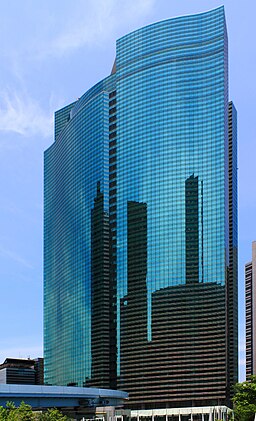
Shiodome City Center
Shiodome City Center: A Modern Architectural Marvel in Tokyo
Shiodome City Center is one of Tokyo’s most sophisticated skyscrapers, blending state-of-the-art architectural design with advanced engineering. Located in the Shiodome area, a district renowned for its cutting-edge urban development, the tower serves as a major business and commercial hub. Since its completion, it has stood as a hallmark of modern high-rise construction, housing multinational corporations, retail outlets, and fine dining establishments.
This article provides an in-depth exploration of Shiodome City Center’s history, design philosophy, technical specifications, sustainability initiatives, and its overall impact on Tokyo’s skyline.
Historical Context and Urban Significance
The development of Shiodome City Center was part of a larger urban renewal project aimed at transforming Shiodome from a former railway terminal into a thriving business and commercial district. The area, once home to the Shimbashi Freight Terminal, underwent extensive redevelopment in the late 20th century, resulting in the construction of numerous high-rise buildings, including this iconic tower.
Designed by the renowned American architectural firm Skidmore, Owings & Merrill, in collaboration with the Japanese firm Nihon Sekkei, Shiodome City Center was completed in 2003. It was envisioned as a world-class office and retail space that would attract major corporate tenants and contribute to Tokyo’s economic growth.
Architectural Design and Structural Features
The architectural design of Shiodome City Center is a seamless blend of functionality and aesthetics. With its sleek glass façade, curvilinear form, and futuristic appeal, the building stands out in the Shiodome skyline. The tower’s smooth and slightly curved shape is not only visually striking but also serves an aerodynamic function, reducing wind resistance—a crucial consideration in a city frequently exposed to strong winds and typhoons.
The exterior comprises high-performance glass panels that optimize natural light while minimizing heat absorption. This enhances both the building’s energy efficiency and the comfort of its occupants. The curvature of the structure also reflects sunlight in a way that minimizes glare for surrounding buildings, demonstrating thoughtful urban integration.
Inside, the tower features a column-free floor design, maximizing open space and allowing tenants to customize office layouts according to their specific needs. This flexible interior design, combined with advanced structural engineering, makes Shiodome City Center one of the most sought-after commercial buildings in Tokyo.
Technical Specifications
Shiodome City Center incorporates cutting-edge engineering and high-performance materials to ensure durability, safety, and efficiency. Below are its key technical parameters:
- Height: 215 meters (705 feet)
- Floors: 42 above ground, 4 basement levels
- Total Floor Area: Approximately 190,000 square meters
- Structural System: Steel-reinforced concrete with advanced seismic dampers for earthquake resistance
- Façade Material: High-performance, double-glazed glass panels with low-emissivity coating
- Elevators: 31 high-speed elevators, including dedicated service and emergency lifts
- Foundation Type: Deep pile foundation extending into bedrock for enhanced stability
- Seismic Resistance: Incorporates base isolators, reinforced core walls, and flexible joints to absorb earthquake shocks
Interior Layout and Functional Spaces
Shiodome City Center was designed to accommodate a variety of functions, ensuring a dynamic mix of business, retail, and dining options.
Office Spaces
The majority of the building is dedicated to premium office space, designed to accommodate multinational corporations and high-profile firms. The column-free interior layout allows companies to design their workspaces for maximum efficiency. State-of-the-art climate control, smart lighting, and advanced IT infrastructure contribute to an optimal working environment.
Retail and Dining Areas
The lower floors of Shiodome City Center feature a wide range of retail stores and restaurants, making it a popular destination for both office workers and visitors. The dining options range from casual eateries to high-end restaurants offering panoramic views of Tokyo.
Public Spaces and Amenities
The building also includes a landscaped plaza, offering a green retreat within the urban landscape. Seating areas and public art installations create an inviting atmosphere, enhancing the overall experience for visitors and tenants alike.
Seismic Resilience and Safety Features
Given Tokyo’s susceptibility to earthquakes, Shiodome City Center was constructed with some of the most advanced seismic-resistant technologies available.
- Seismic Dampers: The building is equipped with tuned mass dampers that absorb seismic energy, reducing vibrations during an earthquake.
- Flexible Structural Joints: These joints allow the building to move slightly without sustaining structural damage.
- Reinforced Core Walls: The internal core of the tower is strengthened with reinforced concrete to provide additional stability.
- Emergency Evacuation Systems: Multiple stairwells, emergency exits, and fireproof refuge areas ensure occupant safety in the event of an emergency.
- Backup Power Supply: Diesel generators provide emergency power to critical systems, including elevators and fire suppression equipment.
Sustainability and Environmental Initiatives
Shiodome City Center is a benchmark in sustainable skyscraper design. The building integrates numerous green technologies to minimize its environmental footprint.
- Energy-Efficient HVAC System: The heating, ventilation, and air conditioning (HVAC) system uses advanced sensors to optimize energy consumption based on occupancy levels.
- Water Conservation Measures: Low-flow plumbing fixtures and a rainwater recycling system help reduce water usage.
- Natural Lighting Optimization: The double-glazed glass façade reduces the need for artificial lighting, decreasing electricity consumption.
- Recycling and Waste Management: The building has dedicated recycling stations and waste reduction programs to promote sustainable practices among tenants.
Impact on Tokyo’s Urban Landscape
Since its completion, Shiodome City Center has played a crucial role in shaping the Shiodome district into a world-class business hub. It has attracted a mix of global financial firms, technology companies, and consulting agencies, reinforcing Tokyo’s position as an international business capital.
Beyond its economic impact, the building’s modern design has influenced subsequent high-rise developments in Tokyo. Its aerodynamic shape, energy-efficient features, and seismic resilience serve as a model for future skyscrapers in Japan and beyond.
Future Prospects and Technological Upgrades
As Tokyo continues to evolve, Shiodome City Center remains a prime location for businesses. Periodic upgrades ensure that the building remains competitive with newer developments. Potential future enhancements include:
- AI-Driven Building Management Systems: Integrating artificial intelligence to optimize energy usage, security, and maintenance operations.
- Smart Glass Technology: Upgrading to next-generation electrochromic glass that can adjust transparency to reduce heat gain and improve indoor comfort.
- Expanded Renewable Energy Integration: Incorporating solar panels or other renewable energy sources to further reduce the building’s carbon footprint.
Conclusion
Shiodome City Center is a masterpiece of modern architecture and engineering, representing the pinnacle of commercial skyscraper design in Tokyo. With its sleek aesthetic, robust structural integrity, and commitment to sustainability, it continues to be a benchmark for high-rise construction worldwide.
As one of the defining towers in Shiodome, it has reshaped Tokyo’s urban skyline while setting new standards in efficiency, safety, and environmental responsibility. Whether viewed from afar or experienced up close, Shiodome City Center remains an iconic symbol of Tokyo’s ever-evolving landscape.
