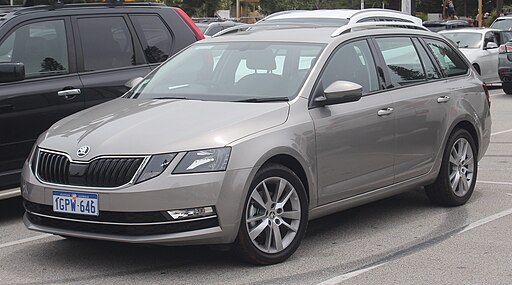
Škoda Octavia faults
Engine and Emissions
Exhaust Gas Recirculation (EGR) Valve Carbon Build-Up
Diesel Octavias often suffer rough idling, loss of low-end torque and occasional limp-home mode due to heavy soot clogging the EGR valve and cooler. Periodic cleaning or fitting an uprated cooler assembly restores proper flow and drivability.
Diesel Particulate Filter (DPF) Blockages
Short, stop-start trips fail to heat the filter sufficiently, so soot accumulates and triggers warning lights or limp-in-gear until a forced regeneration or DPF replacement is carried out. Regular 20-minute motorway runs help burn off excess particulates.
Turbocharger Sticking and Failure
In higher-mileage TDI engines, oil-starvation or contamination can seize the turbo’s vanes or bearings. Symptoms include whining noises, black smoke under acceleration and dramatic power loss. Adhering to correct oil-change intervals and using OEM filters prolongs turbo life.
Timing Chain Stretch and Guides Wear
1.2 TSI and early 1.4 TSI petrol engines may develop a rattling noise from the front of the engine at cold start, indicating a stretched chain or worn guide rails. If left unchecked, guide failure can lead to catastrophic engine damage. Replacement of the chain kit and tensioners cures the issue.
Transmission and Drivetrain
DSG Mechatronics and Clutch Pack Wear
Octavia DSG gearboxes can exhibit jerky or delayed up- and down-shifts as clutch friction plates thin and mechatronic valves stick. A software update sometimes helps; otherwise a DSG fluid/filter service or mechatronic unit exchange is required.
Dual-Mass Flywheel Rattle
Manual-gearbox Octavias over 100 000 km often develop a buzzing or clunking when engaging the clutch, caused by DMF damper springs wearing out. Fitting a new flywheel and clutch kit restores smooth, direct engagement.
Manual Synchro Ring Wear
Drivers report crunchy shifts into 3rd and 4th gears, especially when cold, on high-mileage manuals. Worn synchros and shift-fork guides are the culprits. Early intervention with a gearbox oil change can delay failure, but heavily worn internals demand rebuild or replacement.
Suspension and Steering
Worn Suspension Bushes and Clunks
Control-arm, anti-roll-bar and trailing-arm bushes typically crack after 80 000–120 000 km, producing knocks over bumps and vague handling at speed. Replacing rubber mounts with OEM or polyurethane units restores crisp response.
Steering-Rack Gaiter Splits
Torn rack gaiters admit dirt and debris into the steering rack, accelerating pinion-bearing wear. Symptoms include stiffness, kickback or excessive play. Renewing gaiters and inspecting the rack for pitting or play cures vagueness.
Brakes
ABS Sensor Corrosion
Front and rear wheel-speed sensors corrode at their mounting faces, triggering intermittent ABS and traction-control warnings. Cleaning electrical contacts or replacing the sensor prevents unexpected deactivation of safety systems.
Brake-Fluid Reservoir Overheating (Plug-in Hybrid Models)
On certain 2019–2022 plug-in hybrid Octavias, the brake-fluid reservoir heat shield was misrouted. Under heavy braking the reservoir can soften and leak, risking loss of brake pressure. A recall replaced the heat shield and fluid reservoir free of charge.
Electrical and Electronics
Central-Locking Actuator Seizure
Door-module motors admit moisture over time, causing intermittent or total failure of remote locking. Symptoms include grinding noises in the door card and doors refusing to lock or unlock. Actuator replacement or door-lock module overhaul is required.
Infotainment and Sat-Nav Glitches
Owners report random screen freezes, Bluetooth drop-outs and unreliable map guidance on early post-2017 infotainment units. Dealer firmware updates resolve most issues; ensure any used car has had the latest software installed.
Parasitic Battery Drain
Aftermarket alarm modules or faulty control units can draw current when parked, leaving the battery flat overnight. Isolating circuits with a multimeter and identifying the load helps pinpoint and replace the offending component.
Body and Interior
Water Ingress and Boot Leaks
Worn or misaligned door-seal rubbers and blocked scuttle-drain channels allow rainwater into footwells and boots, causing damp carpets and corroded electronics. Clearing drains and fitting new seals stops the leaks and preserves interior trim.
Headlamp Moisture
Octavia headlamp units can fill with condensation when seals degrade, reducing nighttime visibility. Drilling small drain holes in the lowest point of the housing or fitting new lens seals prevents fogging.
Rear Wheel Bearing Housing Recall
Models built between December 2019 and February 2022 had rear wheel-bearing housings that might not have been heat-treated correctly, risking fracture. Affected cars were recalled and the housings replaced free of charge.
Recalls and Safety Campaigns
Driver-Airbag Inflator Degradation
Skoda issued a recall for 2012–2014 Octavias to replace driver-airbag inflators with deteriorating propellant that could rupture on deployment. Verify any used example has had this safety campaign completed.
Manual Child-Lock Disengagement
2016–2017 models experienced child-lock levers that could disengage without warning, allowing doors to open from inside. A recall ensured all affected cars received updated lock assemblies.
Engine-Compartment Cover Fasteners
Certain 2020–2022 Octavias were fitted with loose underbonnet covers that could detach and foul moving components. A recall refitted correct fasteners and ensured the cover stays secure.
Škoda Octavia as a used car
Purchasing a used Škoda Octavia blends everyday practicality with enduring value. Known for its spacious cabin, robust engineering and cost-effective ownership, the Octavia appeals to families, commuters and fleet buyers alike. This guide dives deep into generational changes, key technical specifications and ownership considerations. Whether you’re eyeing a first-generation model or the latest facelift, you’ll learn what to expect under the bonnet and in the service records.
Generations and Facelifts
First Generation (1996–2010)
The original Octavia offered a simple, rugged platform derived from the VW Group A4 architecture. Early models featured 1.4–2.0 L petrol and 1.9 L diesel engines, paired to five-speed manuals or four-speed automatics. Over its long production run it received a mid-cycle facelift in 2004, improving interior materials and bringing new engine variants.
Second Generation (2004–2013)
Built on the VW A5 platform, this Octavia grew in size and sophistication. It introduced the 1.2 TSI and 1.4 TSI petrol engines, plus a 2.0 TDI available in 110 PS and 140 PS tunes. In 2008, Škoda added the vRS performance model with a turbocharged 2.0 L petrol engine delivering 200 PS.
Third Generation (2012–2020)
The MQB-based third generation refined ride quality and tech features. It debuted advanced safety aids, touchscreen infotainment and optional adaptive chassis control. Engine line-up ranged from a 1.0 TSI three-cylinder up to a 2.0 TDI 150 PS motor, with DSG double-clutch and all-wheel-drive variants on offer.
Why Choose a Used Octavia?
A used Octavia often undercuts equivalent German rivals on price while matching them in space and refinement. Ownership costs remain competitive thanks to widely available parts and straightforward maintenance. High-mileage examples are common, so thorough inspection is vital, but many models deliver reliably past 200 000 km. Insurance and depreciation also tend to be lower than for VW Golf or Audi A3 equivalents.
Engine and Performance
Petrol Engine Line-Up
- 1.0 TSI 3-cylinder: 95–115 PS, smooth but best for light urban use.
- 1.2 TSI 4-cylinder: 86–105 PS, frugal yet able on longer trips.
- 1.4 TSI 4-cylinder: 122–150 PS, turbocharged flexibility and strong mid-range pull.
- 2.0 TSI 4-cylinder (vRS): 180–230 PS, brisk acceleration (0–100 km/h in 6.8 s).
Diesel Engine Line-Up
- 1.6 TDI: 90–115 PS, best economy (4.2 L/100 km combined).
- 2.0 TDI: 150–184 PS, robust torque (320 Nm+) and smooth long-distance performance.
Bi-Fuel (CNG) Option
- 1.4 TGI 110 PS: factory-fitted CNG system, dual-fuel flexibility and very low running costs.
Key Technical Parameters
| Generation | Engine Options | Power (PS) | Torque (Nm) | 0–100 km/h (s) | CO₂ (g/km) |
|---|---|---|---|---|---|
| 1st (A4) | 1.4–2.0 L petrol, 1.9 L diesel | 68–150 | 126–310 | 10.2–16.5 | 142–250 |
| 2nd (A5) | 1.2 TSI–2.0 TDI | 86–200 | 160–320 | 7.1–14.8 | 119–199 |
| 3rd (MQB) | 1.0 TSI–2.0 TDI, 1.4 TGI CNG | 95–230 | 160–350 | 6.8–15.2 | 95–172 |
Transmission and Drivetrain
Modern Octavias offer both six-speed manuals and the DSG double-clutch gearbox. Early automatics are torque-converter units prone to fluid-change neglect. DSGboxes reward regular oil and filter servicing; signs of wear include jerky shifts or mechatronics faults. All-wheel-drive variants use a Haldex coupling—check service history for periodic rear-axle oil changes.
Interior Space and Practicality
Rear passengers enjoy nearly 90 cm of knee room, matching executive-class rivals. Boot capacity ranges from 560 L to 590 L in hatch models, expanding to around 1 580 L with seats folded. Build quality shines in mid-cycle facelifts—materials feel durable, switchgear remains reliable. Look for evidence of water ingress around door seals and under-bonnet drains, especially on pre-2010 cars.
Common Reliability Points
- EGR valve carbon build-up on diesels can cause limp-home modes.
- DSG mechatronic units wear out without timely fluid services.
- Timing-chain tensioners on early TSI engines demand inspection around 100 000 km.
- Suspension bushes crack near 120 000 km, leading to clunks and vague steering.
- Electrical gremlins in central locking and infotainment units are typical on models older than 2016.
Inspection Checklist
- Verify full service history with OEM-spec oil and filter changes.
- Scan for fault codes in engine and gearbox control units.
- Check DPF pressure differential and ensure regular regenerations.
- Inspect CV boots, steering-rack gaiters and subframe mounts for tears.
- Test all infotainment functions, Bluetooth, navigation and USB inputs.
Ownership Costs and Resale Value
The Octavia retains more of its value than many mass-market competitors. Annual servicing averages €300–€450 depending on mileage and engine type. Insurance group typically falls between 8 and 15 across Europe. Parts availability is excellent, and independent specialists can match dealer labour rates, keeping running costs in check.
Conclusion
A well-maintained used Škoda Octavia offers a compelling mix of space, efficiency and affordable ownership. By understanding key technical parameters, common wear points and inspection best practices, buyers can secure a reliable car that delivers years of trouble-free motoring. Thorough pre-purchase checks and attention to service records remain the surest way to drive away with confidence.
_110TSI_station_wagon_(2018-11-02).jpg)