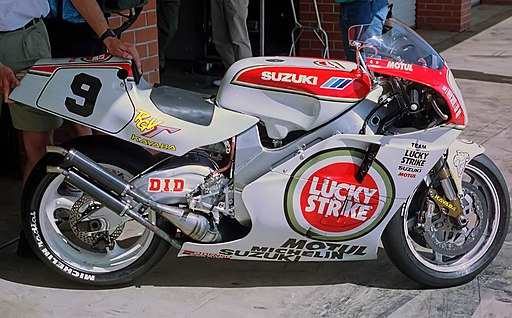
Suzuki RGV500
Suzuki RGV500: The King of Two-Stroke Grand Prix Racing Machines
The Suzuki RGV500 is a name that evokes strong emotions among motorcycle enthusiasts, especially those with a passion for high-performance, two-stroke machines. Launched in the mid-1980s and developed primarily as a racing bike, the RGV500 went on to become one of the most iconic motorcycles of its time. Designed specifically for the 500cc Grand Prix racing class, the RGV500 achieved immense success on the track, thanks to its combination of cutting-edge technology, sophisticated engineering, and an exceptionally potent engine. Its reputation as a powerful and agile machine would cement its place in motorcycle racing history.
In this article, we will delve deep into the technical specifications, engineering details, and performance of the Suzuki RGV500. We’ll explore the bike’s history, the technological innovations it brought to the sport, and the reasons it remains such a revered model for enthusiasts and collectors alike.
The Birth of the Suzuki RGV500
The Suzuki RGV500 was conceived in the early 1980s as a direct competitor to other two-stroke motorcycles in the highly competitive 500cc Grand Prix racing class. At the time, Suzuki was looking to solidify its place as one of the top contenders in the world of motorcycle racing, especially after the success of its RG500, which had been highly successful in the 1970s and early 1980s.
The RGV500’s development was directly influenced by Suzuki’s experiences in the FIM 500cc Motorcycle World Championship, where it needed to create a machine that could rival the likes of Yamaha and Honda. The result was the Suzuki RGV500, a 500cc V4-powered two-stroke motorcycle that would go on to compete in the most prestigious motorcycle races, including the Isle of Man TT and the FIM World Championship.
Technical Specifications of the Suzuki RGV500
Engine:
- Type: 499cc, liquid-cooled, two-stroke, V4 engine
- Bore x Stroke: 56mm x 50.6mm
- Compression Ratio: 7.8:1
- Power Output: Approximately 120-130 hp (89-97 kW) at 11,500-12,000 rpm
- Torque: 77 Nm (56.7 lb-ft) at 10,000 rpm
- Fuel System: 4 x 34mm Mikuni carburetors
- Ignition: Digital CDI (Capacitor Discharge Ignition)
- Lubrication System: Premix (requires oil mixing with fuel)
- Cooling System: Liquid-cooled
- Exhaust: Expansion chambers designed for two-stroke operation
The RGV500’s engine is a sophisticated V4 two-stroke unit, which was a significant advancement over previous configurations. The 499cc engine features a 56mm bore and a 50.6mm stroke, providing the engine with an ideal balance between high-revving power and torque. With a compression ratio of 7.8:1, it is optimized for the high RPM range, allowing the engine to reach its peak power output of around 120-130 horsepower at approximately 11,500-12,000 rpm. The engine’s design allows for smooth, yet brutal acceleration, with a thrilling top-end performance that any racing enthusiast would appreciate.
One of the most remarkable aspects of the RGV500’s engine is its 4 x 34mm Mikuni carburetors, which provide excellent fuel atomization and precise throttle response. These carburetors were specifically chosen to maximize the efficiency of the two-stroke engine, ensuring that the bike could perform consistently under high stress. Additionally, the engine utilizes expansion chambers designed for optimal exhaust scavenging, a feature that enhances the bike’s power delivery and efficiency.
The RGV500 was a premix engine, meaning the rider had to manually mix oil with the fuel. While this setup is typical for two-stroke engines, it meant that the maintenance of the bike required more attention to ensure the correct oil-to-fuel ratio for engine longevity and performance.
Chassis and Suspension:
- Frame Type: Aluminum alloy, twin-spar frame
- Front Suspension: 41mm telescopic fork, adjustable for compression and rebound damping, with 120mm of travel
- Rear Suspension: Single shock monoshock system with adjustable preload and damping, 130mm of travel
- Front Brake: 2 x 320mm discs with 6-piston calipers
- Rear Brake: 1 x 220mm disc with single-piston caliper
- Front Tire Size: 120/70-17
- Rear Tire Size: 160/60-17
- Wheelbase: 1,425 mm (56.1 inches)
- Dry Weight: 148 kg (326 lbs)
The RGV500 features a state-of-the-art twin-spar aluminum frame, which was lightweight yet strong, providing the necessary rigidity to handle the immense stresses placed on the bike during high-speed racing. The frame’s design was crucial in providing the bike with exceptional agility and handling characteristics, which were critical for success on tight, technical tracks. With a dry weight of just 148 kg (326 lbs), the RGV500 was a lightweight machine, which contributed to its exceptional handling performance.
The front suspension is a 41mm telescopic fork with adjustable compression and rebound damping, offering 120mm of travel. This adjustable setup allowed the rider to fine-tune the front suspension to match the specific conditions of the race track, which helped improve stability during braking and cornering. The rear suspension is a monoshock system, which also features adjustable preload and damping, providing 130mm of travel. This setup offered excellent rear-wheel stability, ensuring that the bike remained planted to the track during high-speed maneuvers.
The braking system on the RGV500 was designed to offer maximum stopping power. The front brake setup consists of dual 320mm discs, each paired with a 6-piston caliper, providing immense braking force, especially at high speeds. The rear brake consists of a single 220mm disc with a single-piston caliper. This configuration was perfect for the demands of road racing, where precise and reliable braking is essential.
Performance:
- Top Speed: 270 km/h (168 mph)
- 0-100 km/h (0-62 mph) Time: Approximately 3.5 seconds
- Fuel Tank Capacity: 21 liters (5.5 gallons)
- Fuel Efficiency: 10-12 km/l (23-28 mpg)
In terms of raw performance, the RGV500 was an absolute beast. With a top speed of approximately 270 km/h (168 mph), it was one of the fastest two-stroke motorcycles ever made, reaching speeds comparable to some of the most advanced four-stroke machines of the era. The bike’s 0-100 km/h (0-62 mph) time of just 3.5 seconds is testament to its brutal acceleration, offering riders an adrenaline-pumping experience every time the throttle is twisted.
The 21-liter fuel tank capacity provided a reasonable range for a racing motorcycle, allowing the RGV500 to go the distance during longer events. However, fuel efficiency was relatively low compared to modern four-stroke bikes, with a consumption rate of 10-12 km/l (23-28 mpg), due to the high-revving nature of the engine and the need to mix oil with the fuel.
Handling and Ride Experience
The Suzuki RGV500‘s handling was one of its standout features. The bike was known for its ability to carve through corners with precision, thanks to its lightweight design, responsive suspension, and the advanced frame geometry. Whether in tight corners or high-speed sweepers, the RGV500 provided a level of agility that few bikes could match.
The rear-wheel stability offered by the monoshock system ensured that the bike remained planted, even when pushing the limits on challenging racetracks. The precise, light handling and excellent balance made the RGV500 an incredibly enjoyable and rewarding motorcycle to ride, especially for those who appreciated the raw, untamed nature of a two-stroke engine.
One of the most exhilarating aspects of the RGV500 was the way its engine delivered power. Two-stroke engines are known for their high-revving nature, and the RGV500 was no exception. Riders would experience an exciting powerband, with the engine delivering a sharp, energetic “hit” as the revs climbed. This made the bike highly responsive, though it also required skill and precision to keep the engine within the optimal range during racing or spirited riding.
Racing Success and Legacy
The Suzuki RGV500 had a successful and storied career in Grand Prix racing. In the hands of talented riders like Kevin Schwantz, who won the 1993 500cc World Championship riding a Suzuki RGV500, the bike became a dominant force in the sport. Schwantz’s victory was particularly significant as it marked Suzuki’s first 500cc championship win in more than a decade.
Throughout its racing career, the RGV500 was a mainstay in the 500cc class, earning respect for its performance, reliability, and cutting-edge technology. It was a favorite among privateers and factory teams alike, who valued its combination of power, agility, and sophistication.
Maintenance and Considerations
Maintaining a Suzuki RGV500 is not for the faint of heart, as it requires a strong understanding of two-stroke engine mechanics. Riders must regularly check and maintain the engine’s lubrication system, ensuring that the correct oil-to-fuel ratio is maintained for optimal performance. The expansion chambers should also be kept clean to prevent carbon buildup, and regular inspections of the carburetors and ignition system are essential to keep the engine running smoothly.
Due to its high-performance nature, the RGV500 requires careful attention to its suspension, braking system, and tires to ensure that the bike continues to perform at its peak. Parts for the RGV500, especially the racing-specific components, can sometimes be hard to come by, so potential owners or collectors must be prepared for the challenges of sourcing replacement parts.
Conclusion
The Suzuki RGV500 remains a legendary machine that encapsulates the raw power and exhilarating riding experience of a two-stroke racing motorcycle. With its potent V4 two-stroke engine, lightweight frame, and precise handling, the RGV500 became a dominant force in the 500cc Grand Prix racing class and earned a place in the hearts of motorcycle enthusiasts around the world.
As a collector’s item today, the Suzuki RGV500 represents the pinnacle of two-stroke technology, offering a thrilling, nostalgic experience for riders who seek the unmatched excitement that only a high-performance two-stroke machine can provide. It remains one of the most revered motorcycles in the history of motorcycle racing and is an enduring symbol of Suzuki’s racing legacy.
