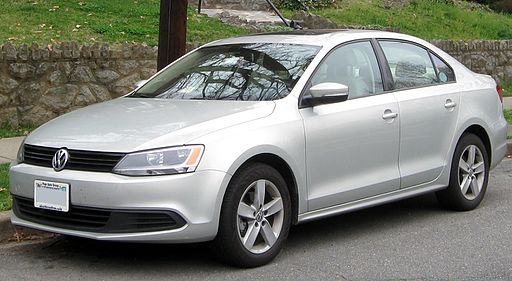
Volkswagen Jetta faults
Engine and Fuel System
- Timing chain tensioner rattle on 1.2 TSI and 1.4 TSI petrol engines
Symptoms include a sharp ticking noise at cold start that often subsides as oil pressure builds. The plastic guide and tensioner assembly wear prematurely, allowing chain slack. If unchecked, the chain can skip teeth, risking valve-to-piston contact and expensive engine repairs. Preventive measures include oil changes every 15 000 km with VW-approved 502.00 oil and replacing the tensioner and guide by 100 000 km.
- High-pressure fuel pump (HPFP) failures on EA888 series TSI engines
Owners report misfires, extended cranking, or sudden power loss, often logged as P0191 or P0087. Internal wear generates metal debris that can damage injectors and pressure sensors. Inspect pump internals around 120 000 – 150 000 km and consider upgrading to the reinforced Motorsport-spec HPFP to improve durability.
- Carbon buildup on direct-injection intake valves
Direct-injection Jetta engines lack fuel wash on the back of intake valves, leading to deposit formation. Signs include rough idle, diminished throttle response, and intermittent misfire codes. A walnut-shell blast cleaning every 60 000 – 80 000 km restores airflow. Opting for later TSI Evo engines with dual-injection architecture eliminates the issue long term.
- Diesel particulate filter (DPF) clogging on TDI models
Short urban trips prevent passive regeneration, causing soot accumulation and reduced performance. Dashboard warning lights and forced regen cycles via diagnostic tools are common. Regular highway drives of 20 minutes or more help maintain DPF health. In regions with consistent low-speed use, an aftermarket DPF with higher flow capacity can be fitted where regulations allow.
Transmission and Drivetrain
- DSG dual-clutch mechatronic wear
Symptoms include jerky shifts, delayed upshifts, or limp-home mode. Darkened fluid by 60 000 km indicates oxidation and contaminant buildup. A full DSG service—fluid, filter, and gasket replacement—every 50 000 – 60 000 km is essential. Neglecting service often leads to mechatronic block failure, with replacement costs exceeding €2 500.
- Manual gearbox synchro issues on high-torque diesels
Second-gear synchros in 2.0 TDI models generating over 300 Nm degrade quickly. Drivers hear crunching when selecting second or experience clunks during downshifts. Upgraded aftermarket synchro rings or limiting aggressive clutch-dumping under load extend gearbox life. Ensure clutch pedal free play and cable adjustment meet factory specs.
Electronics and Infotainment
- MIB infotainment touchscreen freezes and boot loops
Early Mk6/Mk7 Jetta units suffer from insufficient flash memory and mainboard overheating. Owners see black screens, unresponsive displays, or endless reboots. VW issued software updates and revised hardware under warranty. Out-of-warranty replacements can cost around €800. Confirm firmware version and board revision before purchase.
- Electronic parking brake actuator failure
Plastic gears inside the actuator corrode or strip, especially in colder climates. Symptoms include grinding noises when engaging the parking brake or failure to hold. Periodic lubrication of the scissor-mechanism and, if needed, replacing with reinforced aftermarket actuators restores reliable operation.
- Central locking and door module glitches
Common complaints involve unresponsive locks, random unlocking, or blown fuses. Faults often trace to moisture-ingress in door-control modules or worn microswitches in lock assemblies. Cleaning and sealing connectors, plus replacing faulty microswitches, cures most issues.
Suspension and Steering
- Front lower control arm bushing deterioration
Rubber-in-metal bushes on Mk6 and Mk7 models split over time, causing vague steering feedback, tramlining, and uneven tire wear. Symptoms include clunks over road imperfections. Replacing with OEM-spec bushings or polyurethane inserts restores precise handling and longevity.
- Electronic power-steering (EPS) faults
Intermittent loss of steering assist triggers a warning lamp and makes the wheel heavy at low speeds. Failures typically stem from worn motor brushes or steering-angle sensor drift. A dealer-level recalibration sometimes cures the issue; persistent faults require a remanufactured EPS rack.
Brakes and Wheels
- Handbrake cable seizure
Moisture and road salt corrode parking-brake cables on the rear axle, causing cable binding and dragging pads. Drivers notice uneven pad wear or a humming noise when driving. Regular lubrication of pivot points and replacing corroded cables with stainless-steel aftermarket lines prevents binding.
- Premature rotor corrosion
Thin OEM front rotors rust rapidly on cars used mostly for short trips. Rust buildup leads to brake pulsation and accelerated pad wear. Upgrading to two-piece slotted or vented rotors from performance suppliers extends rotor life and improves heat dissipation.
Body, Corrosion, and Interior
- Sill and wheel-arch rust on Mk6 models
In northern-climate vehicles, seam sealing can fail around rear footwell sills and arch lips, leading to bubbling paint and structural rust. Early detection involves tapping around the seams for a hollow sound. Professional seam sealing or panel replacement halts corrosion spread.
- Sunroof drain blockage and water ingress
Panoramic-sunroof models develop clogged drain tubes, causing water to pool in door sills and floor carpets. Symptoms include wet carpets or damp odors in the cabin. Annual maintenance with compressed air or flexible drain brushes clears channels. Inspecting roof seals prevents long-term damage to wiring looms beneath flooring.
HVAC and Climate Control
- Heater-core leaks and cabin coolant odors
Sweet coolant smells inside the cabin or damp carpets beneath the glovebox point to cracked heater-core housings. A full HVAC pressure test locates leaks. Replacement cores and reassembly restore proper heating and eliminate cabin contamination.
- Climatronic control module failures
Digital climate-control heads sometimes lose display segments or fail to adjust blower speeds. Internal solder-joint cracks or faulty stepper motors are common culprits. Repairing the module on a workbench—or swapping in a remanufactured unit—resolves inconsistent HVAC operation.
Volkswagen Jetta as a used car
The Volkswagen Jetta has long occupied a unique niche between compact hatchbacks and midsize sedans, offering sedan practicality with Golf-derived underpinnings. As a used purchase, the Volkswagen Jetta delivers spacious interiors, a refined ride, and a variety of powertrains to match diverse driving styles. This guide explores its evolution, core technical specifications, known weak points, maintenance outlook, and smart buying strategies—equipping you to select the ideal Volkswagen Jetta for your needs.
Evolution of the Volkswagen Jetta
Since its debut in 1979, the Volkswagen Jetta has spanned seven core generations. Each iteration refined chassis tuning, engine technology, and interior ergonomics to balance comfort and driver engagement.
- First Generation (A1, 1979–1984): Based on the Mk1 Golf, introduced as a three-box sedan alternative with 1.5–1.8 L carburetted engines.
- Second Generation (A2, 1984–1992): Heavier structure, arrival of fuel-injection 1.8 L engines, and first diesel options.
- Third Generation (A3, 1992–1999): Debut of the 2.0 L petrol, 1.9 L TDI, and introduction of ABS and airbags.
- Fourth Generation (A4, 1999–2005): Refined suspension, 1.8T turbo petrol, 1.9 L PD TDI, and improved cabin materials.
- Fifth Generation (A5/Mark5, 2005–2010): Modern styling, DSG dual-clutch option, and 2.0 L direct-injection petrol.
- Sixth Generation (A6, 2010–2018): All-new body design, MQB platform shares with Golf Mk7, introduction of 1.4 L TSI Evo and BlueMotion diesels.
- Seventh Generation (A7, 2018–present): Mild-hybrid 1.5 L EA211 Evo, digital cockpit, and driver-assist enhancements.
On the used market, fifth- and sixth-generation Volkswagen Jetta models strike a compelling balance of modern features, proven reliability, and attainable pricing.
Technical Specifications by Generation
Below are representative engine choices, gearbox options, and key performance figures for select Volkswagen Jetta generations. Each cell contains engine code; displacement; peak power; peak torque; transmission; fuel type; 0–100 km/h; combined consumption; production years.
| Generation | Engine spec |
|---|---|
| A5 | 1.6 MPI (BSE); 1598 cc; 75 kW; 150 Nm; 5-sp manual; petrol; 12.5 s; 7.1 l/100 km; 2005–2010 |
| 1.8T (BPY); 1781 cc; 118 kW; 250 Nm; 6-sp DSG; petrol; 8.4 s; 6.8 l/100 km; 2006–2010 | |
| 2.0 TDI (BMN); 1968 cc; 103 kW; 320 Nm; 5-sp manual; diesel; 9.2 s; 5.2 l/100 km; 2005–2010 | |
| A6 | 1.2 TSI (CJZA); 1197 cc; 77 kW; 175 Nm; 5-sp manual; petrol; 11.5 s; 5.3 l/100 km; 2010–2015 |
| 1.4 TSI (CZCA); 1395 cc; 90 kW; 200 Nm; 7-sp DSG; petrol; 10.3 s; 5.1 l/100 km; 2011–2018 | |
| 2.0 TDI (CRLB); 1968 cc; 110 kW; 350 Nm; 6-sp DSG; diesel; 8.9 s; 4.4 l/100 km; 2010–2018 | |
| A7 | 1.5 TSI Evo (EA211 evo); 1498 cc; 96 kW; 250 Nm; 7-sp DSG; petrol; 8.9 s; 5.0 l/100 km; 2018–present |
| 2.0 TDI SCR (DVGA); 1968 cc; 85 kW; 320 Nm; 6-sp manual; diesel; 10.7 s; 4.2 l/100 km; 2018–present |
Known Weak Points and Preventative Maintenance
Even the most robust Volkswagen Jetta models have recurring service items and potential failure points. A proactive maintenance schedule preserves reliability and resale value.
- Timing chain and tensioner on EA888 petrol engines • Rattle at cold start may signal tensioner wear. Replace at 120 000 km interval to avoid guide failure and chain skipping.
- DSG dual-clutch transmission service • Perform fluid and filter change every 60 000 km. Neglected service leads to mechatronic block wear, harsh shifts, or limp-home mode.
- High-pressure fuel pump on TSI variants • Inspect at 100 000 km for noise or leaks. Upgrading to reinforced Motorsport-spec pumps reduces failure risk.
- Diesel particulate filter (DPF) clogging on diesels • Frequent short trips prevent passive regeneration. Use diagnostic tools for active regeneration cycles or consider aftermarket DPF delete options where legal.
- Carbon buildup on direct-injection engines • Occurs on intake valves of FSI/TSI motors. Schedule walnut-shell blasting every 80 000 km or opt for dual-injection models (TSI Evo).
- Suspension bushings and rear torsion beam mounts • Check for rubber degradation and replace worn bushes to maintain precise handling and tire life.
- Electronic parking brake actuator • Corrosion and seized mechanisms in cold climates. Regular lubrication and occasional replacement with upgraded modules ensure reliable operation.
Adhering to Volkswagen’s factory service specifications—VW 502.00 for petrol, VW 507.00 for diesels, and VW G 052 182 A2 for DSG—maximizes component life.
Smart Buying Tips for a Used Volkswagen Jetta
When evaluating a pre-owned Volkswagen Jetta, a detailed checklist helps spot red flags and verify proper care.
- Service history consistency • Cross-check oil-change receipts, timing-belt or tensioner invoices, and DSG service records.
- Comprehensive inspection • Focus on underbody rust around rear subframe mounts, sill seams, and suspension pick-up points.
- Test drive evaluations • Listen for rattles at startup, DSG shift smoothness, turbo spool-up response, and DPF regeneration odors.
- Electronic diagnostics • Scan for stored fault codes, especially P0016 (cam/crank correlation) on EA888 engines or DSG mechatronic faults.
- Pre-purchase by a VW specialist • A professional inspection often uncovers hidden coolant leaks, injector seal failures on PD diesels, or worn steering-angle sensors.
A thorough pre-purchase process not only prevents surprise repair bills but also provides leverage in price negotiations.
Depreciation and Market Values
Used Volkswagen Jetta prices depend on generation, powertrain, mileage, and condition. Approximate values for well-maintained examples in Central Europe:
| Generation | Average price (EUR) | Mileage range (km) |
|---|---|---|
| A5 | 4 000–7 500 | 120 000–200 000 |
| A6 | 7 500–12 000 | 80 000–150 000 |
| A7 | 12 000–20 000 | 30 000–100 000 |
Diesel variants typically command a 5–10 % premium for superior efficiency, while DSG-equipped petrol models may cost 8–12 % more than their manual counterparts.
Conclusion and Further Exploration
Choosing a used Volkswagen Jetta opens access to a refined driving experience, versatile engine lineup, and solid build quality. By understanding its technical evolution, recognizing recurring weak points, and following a disciplined buying protocol, you can secure a reliable sedan tailored to your lifestyle.
For deeper dives, consider guides on tuning TSI engines for efficiency, fitting coilover suspensions for sharper handling, or retrofitting mild-hybrid modules onto older Jetta models. Each path leverages the Jetta’s adaptable platform to enhance performance and ownership satisfaction.
