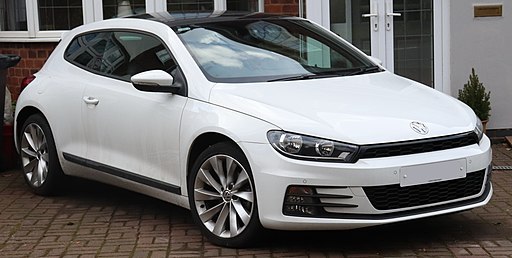
Volkswagen Scirocco faults
Timing Chain and Tensioner Issues
Early 1.4 TSI and some 2.0 TSI engines in the Volkswagen Scirocco are known for timing chain stretch and faulty tensioners. Symptoms include rattling on cold starts, poor performance, or engine misfires. If left unresolved, the chain can skip teeth and cause major engine damage. Updated components were introduced in later models, so checking service history is essential.
DSG Mechatronic and Clutch Problems
Models equipped with the DSG gearbox can suffer from mechatronic unit failures or worn clutch packs. Hesitation, harsh shifting, or warning lights on the dashboard are common indicators. Lack of regular DSG fluid changes (every 60,000 km) significantly increases the risk of faults.
Intake Valve Carbon Build-up
TSI engines, particularly direct-injection versions, may develop heavy carbon deposits on intake valves over time. This causes rough idling, reduced power, and poor fuel economy. Walnut blasting or chemical cleaning is a typical remedy after high mileage.
Water Pump and Thermostat Failures
Coolant leaks and overheating issues often originate from weak water pumps or thermostat housings. Plastic components can crack with age or heat cycles, causing temperature fluctuations or coolant loss. Replacement with higher-quality parts is a common fix.
Suspension Bushings and Top Mount Wear
Front control arm bushings and suspension top mounts can wear prematurely, especially on vehicles driven aggressively. Noises over bumps, uneven tire wear, or vague steering feel indicate possible deterioration. Replacing bushings or mounts restores handling precision.
Coil Pack and Spark Plug Failures
Misfires and engine warning lights can stem from faulty ignition coils or worn spark plugs. The Volkswagen Scirocco, particularly petrol variants, may exhibit rough running or loss of power when coils fail. Keeping plugs and coils updated helps avoid breakdowns.
Window Regulator Faults
Some owners report slow, noisy, or stuck electric windows due to regulator or motor issues. In certain cases, cables snap or guides wear out, requiring replacement. Moisture intrusion can worsen these problems over time.
Infotainment and Electronics Glitches
Older infotainment systems occasionally freeze or lose Bluetooth and navigation functions. Software updates or unit replacement resolve many issues. Additionally, sensors such as parking aids or airbag modules can trigger warning lights if connections corrode or fail.
Door and Hatch Seal Leaks
The rubber seals around the doors and rear hatch may deteriorate, allowing water to enter the cabin. Damp carpets, misted windows, or musty odors are common signs. Replacing worn seals and checking drainage points prevents long-term damage.
Exhaust Gas Recirculation (EGR) and DPF Issues
Diesel variants of the Volkswagen Scirocco can encounter clogged EGR valves or diesel particulate filters. Loss of power, increased fuel consumption, and warning lights often occur. Regular long drives and proper servicing help reduce soot buildup.
Air Conditioning Compressor Failure
Some models develop air conditioning faults caused by compressor breakdown or refrigerant leaks. Warm air output or loud compressor noises are common symptoms. Proper diagnosis is needed before replacing components.
Dashboard Rattles or Interior Trim Wear
Though the interior build is generally solid, creaks or rattles can develop in panels or trims over time. Sun exposure and vibration may loosen clips or harden plastics. Refastening or replacing small parts typically resolves the noise.
Volkswagen Scirocco as a used car
The Volkswagen Scirocco is a distinctive sports hatchback that combines aggressive styling with everyday usability. As a used vehicle, it appeals to drivers who want coupe-like design without sacrificing practicality. Since production ended in 2017, the model has become a popular option in the second-hand market thanks to its solid engineering and wide engine lineup.
Engine Options and Performance
Volkswagen Scirocco models come with a variety of petrol and diesel engines, all based on tried-and-tested Volkswagen Group powertrains.
Petrol engines:
-
1.4 TSI (120–160 hp), turbocharged and in some versions supercharged
-
2.0 TSI (180–220 hp), shared with the Golf GTI
-
2.0 TSI R (265–280 hp), performance-focused trim
Diesel engines:
-
2.0 TDI (138–184 hp), known for strong torque and fuel economy
Most engines are paired with either a 6-speed manual or a 6-speed/7-speed DSG automatic transmission. The DSG gearbox offers fast gear changes but requires regular fluid and filter servicing every 60,000 km to avoid mechatronic issues. Manual gearboxes are durable with proper clutch care.
Chassis, Suspension, and Brakes
The Volkswagen Scirocco is built on the PQ35 platform, the same foundation as the Mk5 Golf. The car uses MacPherson struts at the front and a multi-link rear axle, delivering an agile yet comfortable driving experience. Adaptive chassis control (DCC) was optional or standard on higher trims, offering adjustable damper settings (Comfort, Normal, and Sport).
Braking systems vary by engine output. Lower-powered variants typically use ventilated front discs and solid rear discs, while higher trims and R models use larger diameter performance brakes with improved calipers and thicker rotors.
Interior and Technology
Despite its sporty profile, the Volkswagen Scirocco has a functional cabin with high-quality materials. Depending on model year and trim, equipment may include:
-
Touchscreen infotainment with Bluetooth and navigation
-
Dual-zone climate control
-
Leather or alcantara sports seats
-
Parking sensors and optional rear camera
-
Xenon or LED headlights
The rear seating space is limited due to the coupe roofline, but the boot offers around 312 liters of space, which can expand when the split-fold rear seats are lowered.
Fuel Economy and Emissions
The diesel 2.0 TDI engines deliver between 4.8–5.5 L/100 km under combined driving conditions. Petrol engines vary widely:
-
1.4 TSI: approximately 6.0–6.5 L/100 km
-
2.0 TSI: approximately 7.5–8.5 L/100 km
-
Scirocco R: around 8.5–9.5 L/100 km
Emissions depend on model year and engine; most comply with Euro 5 or Euro 6 standards. Buyers seeking low road tax or clean air zone compliance should check the registration specifics.
Common Wear Points and Reliability
As with any performance-leaning used car, the Volkswagen Scirocco has several areas to inspect:
-
TSI engines: Some early 1.4 TSI units experienced timing chain tensioner issues and carbon buildup on intake valves.
-
DSG transmissions: Require periodic servicing; failure to maintain may lead to clutch pack or mechatronic faults.
-
Suspension bushings: Front control arm bushings can wear by 100,000 km, leading to knocking sounds or loose steering feel.
-
Electrical components: Older infotainment units and window regulators may experience failures over time.
With regular maintenance and quality parts, most Scirocco models remain reliable well past 200,000 km.
Market Pricing and Value
Pricing depends heavily on engine, mileage, transmission, and trim level. Entry-level 1.4 TSI models often cost less, while high-spec 2.0 TSI and Scirocco R versions command premium prices. Service history, accident records, and condition greatly influence value. Later models from 2015 onward tend to include more advanced infotainment and safety features, making them desirable on the used market.
Final Thoughts
Choosing a Volkswagen Scirocco as a used car offers a blend of sporty character, solid engineering, and daily practicality. The vehicle appeals to enthusiasts who appreciate its responsive handling and timeless exterior design. As long as potential buyers pay attention to engine type, maintenance records, and transmission condition, the Volkswagen Scirocco can remain an enjoyable and dependable companion for many years.
