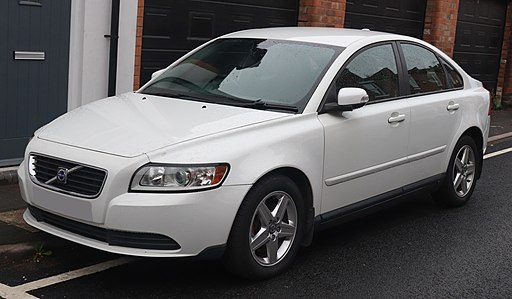
Volvo S40 faults
Electrical and instrument-cluster faults
Common symptoms: intermittent dashboard warning lights, faulty tyre-pressure and airbag sensors, malfunctioning central locking, power windows or mirrors that stop working, and random instrument-cluster glitches. These faults are often sensor/electrical-aging related and typically require fault-code diagnosis, connector cleaning or module replacement.
Oil leaks and turbocharger return-pipe problems
Frequent oil-leak locations include turbocharger return pipes and seals on turbocharged engines; leaks usually present as oil smell in the cabin or visible seepage around the turbo/return-pipe area. Left unaddressed, leaks worsen and risk turbo or engine damage; repairs range from resealing the return pipe to replacing the pipe or turbo oil lines.
Engine running issues and common fault codes
Owners report lean-running codes and fuel-rail / pressure-sensor faults such as P0190 and P0171; symptoms include rough idle, loss of power, poor fuel economy, and check-engine lamp illumination. Fast, reliable diagnosis requires reading ECU codes and checking fuel-pressure sensors, MAF/intake leaks, and wiring harnesses.
Brakes, suspension, and wear-related failures
Hydraulic brake problems and general brake-system complaints are among the most frequently reported faults for the S40, along with worn suspension components on high-mileage cars; expect caliper sticking, premature pad or disc wear, and aged bushes/struts needing replacement to restore safe handling and braking performance.
Recalls, safety items, and long-term service history issues
Several S40 faults have been subject to recalls or manufacturer service actions; not all vehicles will have benefited from corrective work if prior owners ignored notices, so always check outstanding recalls and confirm whether recall repairs were completed before purchase.
Practical diagnostic and prevention checklist
- Scan the car for stored fault codes and log them before repairs.
- Inspect turbo oil lines, return-pipe seals, and visible oil leaks on turbo engines.
- Test battery, alternator, and ground connections; reseat instrument-cluster connectors.
- Check brake hydraulics for soft pedal, uneven wear, or leaking calipers; inspect suspension bushes and struts for play.
- Verify recall status and service history to ensure safety fixes were applied
Volvo S40 as a used car
The Volvo S40 as a used-car choice balances compact dimensions, above-average safety engineering, and a comfortable ride with a mixed record on long-term reliability depending on engine choice and maintenance history. It is well suited for buyers who prioritise crashworthiness, comfortable daily commuting, and simple, serviceable mechanical systems, while those seeking lowest running costs should carefully assess the engine and known fault areas before purchase.
Model generations, years to prioritise, and common engine choices
- Generations: First generation (1995–2004) — conservative, durable mechanicals; Second generation (2004–2012) — modern safety, turbo petrol and diesel options, more electronics.
- Years to prioritise: For best parts availability and remaining mechanical simplicity, favour late first-generation examples with full service history or mid-to-late second-generation cars (2007–2012) after common early-production electronic issues were addressed.
- Typical engines:
- 1.6/1.8 petrol — naturally aspirated, economical but lower torque; simpler and cheaper to repair.
- 2.0/2.4 petrol — smooth, more usable power; 2.4 is heavier on fuel and more wear-sensitive.
- 1.6/1.8/2.0 turbo petrol (T-series) — good midrange torque; turbo system and associated oil lines are service points.
- 1.6/1.9/2.0 diesel (D-series / common-rail) — excellent economy; watch EGR, DPF and injector condition on high-mileage cars.
Technical parameters (typical values by representative engine)
| Parameter | 1.6 petrol | 2.0 turbo petrol | 1.9 diesel |
|---|---|---|---|
| Power | 100–110 PS | 150–200 PS | 90–120 PS |
| Torque | 145 Nm | 240–300 Nm | 210–280 Nm |
| 0–100 km/h | 11–12 s | 7.5–9 s | 10–12 s |
| Combined fuel consumption | 6.5–7.5 L/100 km | 7.5–9.5 L/100 km | 4.5–6.0 L/100 km |
| Kerb weight | 1,200–1,350 kg | 1,300–1,450 kg | 1,300–1,450 kg |
Known faults, symptoms and technical diagnosis
Engine and turbo systems
- Turbo oil-return pipe leaks: Typical on turbo petrol engines; symptoms are oil on underside of car, faint oil smell, or low oil level. Inspect return pipe rubber hoses and metal banjo joints; replace with reinforced OEM-style pipes and ensure correct torque on fittings.
- Oil leaks from camshaft cover and seals: Common on higher-mileage engines; symptoms include oil pooling on valve cover, burning smell, and slow drip. Diagnosis: visual inspection, pressure-wash area and re-run to find leak path; replace camshaft-cover gasket and crankshaft/front seal if needed.
- Poor idle/rough running (sensors and intake leaks): Caused by failing MAF, vacuum leaks, or cracked intake boots. Use a smoke test for intake leaks and measure MAF signal and fuel trim via OBD diagnostics.
Fuel and injection (diesel)
- EGR valve clogging and DPF issues: Symptoms include reduced power, frequent regeneration cycles, and warning lights. Check soot load and perform forced DPF regeneration only after confirming driving pattern supports it; clean or replace EGR and associated cooler where required.
- Injectors and high-pressure pump wear: On high-mileage diesels, injectors can misfire or leak; diagnosis requires cylinder balance tests, fuel-pressure measurements, and injector return-flow testing.
Electrical and instrument cluster
- Instrument-cluster glitches and warning lights: Frequent with ageing harnesses or corroded connectors; symptoms are intermittent gauges, failing warning lamps, or frozen displays. Diagnose by scanning for stored body-control module errors and by inspecting cluster connector pins for corrosion; replacement or reflow of solder joints in cluster sometimes required.
- Central locking and remote key faults: Often caused by key transponder battery, receiver module faults, or wiring to door modules. Check key battery first, then read body-module fault codes.
Brakes, ABS and suspension
- Sticking calipers and uneven pad wear: Symptoms are pulling to one side, overheating wheels, or vibration under braking. Inspect caliper slide pins, piston seals, and flexible hoses; replace calipers or rebuild where necessary.
- Suspension bush deterioration and strut wear: Results in vague steering, clunks over bumps, and uneven tyre wear. Check control-arm bushes, anti-roll bar links, and strut top mounts; replace worn components in matched sets to retain handling balance.
Cooling and HVAC
- Water pump and thermostat wear: On older cars, overheating or coolant loss can come from failing water pump seals or stuck thermostat. Pressure-test the cooling system and inspect for coolant leaks behind the timing cover and lower hose clamps.
- Heater core and blower motor faults: Symptoms include no heat, only cold air, or noise from dashboard. Diagnosis: feel heater hoses for coolant flow and check blower resistor and motor current draw.
Transmission and driveline
- Manual gearbox syncro wear: Grinding or difficult shifts into certain gears; diagnose by careful road test, noting RPM matching and gear-specific symptoms; often requires gearbox rebuild or replacement.
- Automatic transmission slipping/shudder: Caused by worn clutch packs, torque converter issues, or degraded hydraulic control; check transmission fluid condition and pressure before heavy intervention.
Pre-purchase checklist and professional inspection focus
- Service history and receipts: Confirm timing-belt/water-pump replacement intervals where applicable and look for turbo/oil-line or DPF/EGR work. Missing major service items is a significant red flag.
- OBD scan: Read current and pending fault codes and clear only with owner permission; persistent codes indicate active faults.
- Compression and leak-down check: Confirms engine mechanical health beyond what a code reader shows. Compression variance >10% between cylinders warrants further inspection.
- Visual inspection undercarriage: Look for oil leaks, corrosion in structural areas, and condition of exhaust/hangers.
- Test drive: Evaluate clutch engagement, gearbox behaviour, turbo spool (if present), ABS/ESP activation, steering alignment, and any unusual noises under acceleration or over bumps.
- Cooling and charging system: Verify alternator charging voltage and cooling stability under load; inspect radiator and hoses for hairline leaks.
Maintenance priorities and cost-of-ownership guidance
- High-priority maintenance items: Timing belt and water pump (engine-specific intervals), turbo return lines, fuel-injection service for diesels, regular oil and filter changes with the correct grade, brake-fluid change and ABS component checks.
- Typical intervention costs (indicative): cam-cover gasket or turbo oil-line repair is moderate cost; turbo replacement, major injection pump or DPF replacement, and automatic-transmission overhaul are high-cost items — verify whether these have already been addressed.
- Running-cost expectations: Diesel variants generally offer lower fuel bills but can incur expensive emissions-system repairs at high mileage; petrol turbo versions provide strong performance but demand vigilance on oil (quality and level) and turbo-line integrity.
Final buying recommendations
- Prefer cars with documented, regular maintenance and receipts for timing-belt/water-pump, turbo or injection-related works.
- If you are mechanically competent and prepared to do intermediate repairs, a well-documented S40 can be a great value — prioritise naturally aspirated petrol for the lowest complexity, diesel for economy if urban use is limited, and turbo petrol for performance-minded buyers who accept higher running vigilance.
- Budget a contingency for electrical gremlins and ageing rubber components; on any used S40, a professional inspection that includes an OBD scan and compression test will reveal the majority of practical risks before purchase.
