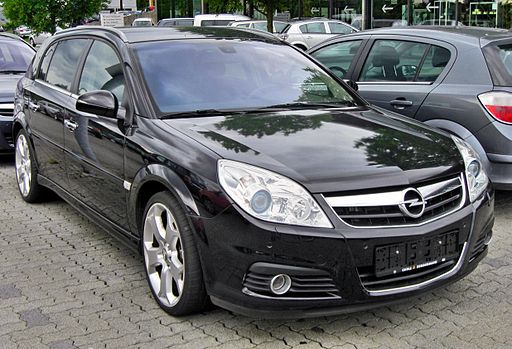
Opel Signum faults
The Opel Signum, produced between 2003 and 2008, was conceived as a premium alternative within Opel’s lineup. Designed to offer executive styling combined with the versatility of a hatchback, the Signum quickly developed a loyal following. While many appreciate its upmarket feel and refined ride, like any older vehicle, the Signum is known to exhibit several recurring faults over time. Understanding these issues can be crucial for making an informed purchase and for planning proper maintenance.
Common Engine and Powertrain Faults
Engine Management and Sensor Issues
Many Signum owners have encountered problems with the vehicle’s complex engine management system:
- Intermittent Sensor Malfunctions: Faults with sensors such as the air mass sensor, throttle position sensor, or oxygen (lambda) sensor are not uncommon. Worn or degraded sensors can lead to erratic engine behavior, rough idling, or even the activation of limp mode during critical driving situations. Often, these issues are rooted in aging connectors or wiring degradation, which affect the precise signal transmission required by the ECU.
- EVAP System Concerns: The evaporative (EVAP) system, responsible for controlling fuel vapors, can produce fault codes if a sensor malfunctions or if there is a minor leak—often due to a faulty gas cap or deteriorated hoses. An illuminated check engine light related to the EVAP system should prompt a thorough diagnostic to avoid long-term emission or efficiency problems.
Common Electrical and Diagnostic Faults
Dodgy Fuel Gauge and Instrument Cluster Issues
Electrical glitches are another area where the Signum has shown its age:
- Fuel Gauge Inaccuracy: A frequently cited complaint among Signum owners is the dodgy fuel gauge. The gauge can sometimes drop suddenly or provide inconsistent readings. This erratic behavior may be linked to issues with the fuel level sensor or deteriorating wiring in the sensor circuit. In some instances, an inaccurate fuel gauge can trigger engine management strategies intended to protect the engine, further confusing drivers.
- Malfunctioning Dashboard Warnings: Older instrument clusters in the Signum may display warning lights (such as low oil pressure or engine temperature alerts) sporadically even when conditions are normal. This can often be traced back to corroded connectors or outdated ECU software. Running a comprehensive diagnostic scan can help determine whether these are mere calibration issues or symptoms of more critical electrical faults.
General Sensor Anomalies
Due to the complexity of its onboard diagnostics, the Signum can sometimes generate intermittent error codes that confuse the driver:
- Multiple Sensor Fault Codes: In some cases, faults related to sensors involved in measuring air intake temperature, manifold pressure, or fuel delivery might briefly appear. While these may resolve with a cleaning of the sensor elements or a software update, persistent issues should be investigated to rule out wiring faults or sensor failure.
Common Transmission and Drivetrain Faults
Automatic Transmission Glitches
For models equipped with an automatic gearbox, a few specific issues have been reported:
- Water Ingress and Gearbox Behavior: Some models—especially those with the 2.8T engine—have experienced problems with the automatic transmission. Reports detail cases where a compromised header tank (subject to a recall in earlier production batches) allowed water ingress, leading to irregular gearbox behavior. Symptoms include delayed shifts, sudden downshifts, or, in some extreme cases, a shift into limp mode. Regular servicing and checking for recall work can help mitigate these risks.
Manual Transmission Wear
For Signum models with a manual transmission, wear on gear synchronizers can lead to:
- Notchy or Difficult Shifting: High mileage or aggressive driving habits may incur premature wear in the synchronizer rings. Drivers might notice a “notchy” feel when shifting or occasional hesitation when engaging gears. Although this issue does not necessarily impair drivability, it can lead to further wear on transmission components if not addressed.
Common Interior and Cosmetic Faults
Aging Electronics and Climate Control
Beyond the core mechanical systems, the Signum’s interior electronics and trim elements can also exhibit typical signs of aging:
- Infotainment and Climate System Glitches: Some owners have reported that the climate control system or onboard radio may become unresponsive over time. Issues such as sticky controls, intermittent display failures, or erratic behavior in the air conditioning unit might require a software reset or, in some cases, component replacement.
General Interior Wear
- Trim and Upholstery Degradation: Given its age, natural wear in the interior is expected. Common problems include faded trim, worn upholstery, and sticky buttons on the central console. While these issues are primarily cosmetic, they can detract from the overall appeal and comfort of the vehicle.
Conclusion
The Opel Signum offers a blend of executive styling and versatility that continues to attract used car buyers. However, potential owners should be aware of the vehicle’s known faults, including sensor and engine management issues, dodgy fuel gauge behavior, automatic transmission glitches (especially in certain 2.8T models), and general interior wear. A comprehensive pre-purchase inspection accompanied by a thorough review of the service history is essential in identifying these common pitfalls.
Opel Signum as a used car
The Opel Signum is a distinctive executive hatchback that offers a unique blend of style, practicality, and performance. Originally produced in the early 2000s, the Signum was designed as a premium alternative in the Opel range, combining spacious interiors with refined driving dynamics. For those considering a used Opel Signum, understanding its technical parameters—from engine options and dimensions to fuel consumption and safety features—is key to ensuring a worthwhile investment that meets both daily commuting and longer journey requirements.
Design and Market Overview
Distinctive Styling and Positioning
The Opel Signum was engineered to stand apart from conventional family hatchbacks. Its design reflects an upscale character with refined lines, a prominent front grille, and a sleek, aerodynamic silhouette. With a well-proportioned layout that combines a curvaceous roofline and a spacious cabin, the Signum has long appealed to buyers looking for a unique balance between executive style and everyday usability. Many used car enthusiasts appreciate how the Signum’s design retains an air of understated luxury and sophistication even as the years add character to its exterior.
Market Appeal in the Used Car Sector
Despite its relatively short production span compared to mainstream models, the Opel Signum has carved out a niche in the used car market. Buyers are often drawn to its premium comfort, diverse engine choices, and upmarket features at a more accessible price point than newer executive vehicles. Well-maintained examples with complete service histories continue to offer reliable performance and remain a sought-after option for those who value European design and driving refinement.
Technical Specifications and Performance
A detailed examination of the Opel Signum’s technical parameters reveals why it continues to capture interest from used car buyers.
Engine and Powertrain Options
The Signum was offered with a range of engine choices to suit diverse driving needs:
- Engine Displacements and Configurations: Depending on the model and market, engine sizes typically range from around 1.8 liters to more robust 3.2-liter V6 configurations. Some variants are tuned for efficiency with modest power outputs, while others deliver performance closer to 250 horsepower for more spirited driving.
- Power Outputs: Power figures vary significantly, with options spanning from approximately 100 horsepower in smaller engine models up to 250 horsepower in higher-performance variants. Torque delivery is calibrated to ensure smooth low-end pull, making the Signum responsive in both urban settings and on the motorway.
- Transmission Choices: Both manual and automatic transmissions were available across the range. A five-speed or six-speed manual gearbox is common in many models, though certain high-end versions feature an automatic option, catering to drivers who seek comfort and ease of use.
- Drivetrain Layout: The Opel Signum is predominantly a front-wheel drive vehicle. This layout, coupled with a precisely tuned suspension, contributes to balanced handling characteristics and confidence during both everyday driving and more demanding conditions.
Dimensions, Chassis, and Weight
The physical attributes of the Signum are designed to deliver spaciousness and a stable ride:
- Exterior Dimensions: The overall length of the Signum generally falls between 4636 mm and 4651 mm, with a width of around 1798 mm and a height of approximately 1466 mm. These dimensions enable generous cabin space while remaining maneuverable in urban environments.
- Wheelbase and Curb Weight: The wheelbase is optimally set to enhance interior legroom and provide stable handling. Curb weights typically range from 1400 kg to 1600 kg, depending on the chosen engine and trim level, offering a good balance between performance and fuel efficiency.
- Chassis and Suspension: The Signum features a suspension setup that often includes MacPherson struts at the front and a multi-link arrangement at the rear. This combination delivers a comfortable ride quality while keeping the handling composed during cornering and braking maneuvers.
Fuel Economy and Emissions
Efficiency and environmental performance are important factors in today’s used car market:
- Fuel Consumption: The fuel economy of the Opel Signum varies with engine configuration. Smaller, more efficient engines can deliver consumption figures in the region of 8–10 liters per 100 kilometers on combined cycles, whereas larger or higher-performance engines may consume closer to 12–14 liters per 100 kilometers.
- Emissions Standards: Later Signum models were designed to meet Euro 3 and Euro 4 emission standards. They incorporate advanced fuel injection technology and catalytic converter systems, which contribute to acceptable CO₂ and NOₓ output, keeping the vehicle compliant with environmental regulations prevalent during its production.
Performance Figures
The driving performance of the Opel Signum is a key aspect that has helped maintain its appeal:
- Acceleration and Top Speed: Acceleration figures for the Signum are generally competitive within its segment, with 0 to 100 km/h times typically ranging between 10 to 12 seconds for the more powerful engine options. Top speeds vary correspondingly, often reaching around 210 km/h to 230 km/h in high-performance variants.
- Driving Dynamics: Rear-wheel bias and precise steering feedback—despite being front-wheel drive—create a balanced driving experience that is both comfortable on long journeys and engaging on twisty roads. The suspension tuning further enhances ride comfort while preserving the vehicle’s composure in varied road conditions.
Interior and Technology Features
A hallmark of the Opel Signum is its well-appointed cabin and thoughtful technology integration.
Cabin Comfort and Ergonomics
- Spacious and Luxurious Interior: The cabin of the Signum emphasizes comfort with high-quality materials, supportive seating, and generous legroom for both front and rear passengers. An ergonomically designed dashboard, improved by a clear instrument panel, contributes to reduced driver fatigue during long drives.
- Versatile Storage: Numerous storage compartments and a sizable trunk underscore the Signum’s practicality, making it equally suitable for daily commutes and longer family trips.
Infotainment and Connectivity
- Onboard Electronics: Even in older models, the Signum offered a range of features that were advanced for its time, including multifunction steering wheels, premium audio systems, and, later on, integrated infotainment displays that supported navigation and Bluetooth connectivity.
- Driver Aids and Safety: Driver information systems, including early warning indicators and digital displays, provided real-time data on vehicle performance. Coupled with safety features like anti-lock brakes and multiple airbags, the Signum was positioned as both a comfortable and secure drive.
Reliability, Maintenance, and Ownership Considerations
Routine Maintenance and Common Wear
Owning a used Opel Signum requires thorough checks and regular maintenance to ensure longevity:
- Mechanical and Engine Upkeep: Common maintenance tasks include regular oil changes, scheduled timing belt or chain revisions, and periodic checks of the valve train components. Due to its age, verifying that previous owners have maintained the engine properly is essential.
- Suspension and Brake Wear: Reviewing the condition of the suspension bushes, shocks, and brake components is advisable, particularly given the natural wear and tear over years of use. Ensuring that alignment and brake system inspections have been regularly performed can prevent costly repairs later on.
- Electrical Systems: With the passage of time, electrical components such as wiring, dashboard instruments, and infotainment modules can exhibit signs of aging. A comprehensive diagnostic check helps identify any issues that might affect reliability or necessitate more immediate repairs.
Cost of Ownership and Resale Value
- Affordability: One of the strengths of the Opel Signum in the used car market is its relatively low running cost. Spare parts, particularly for popular engine types, are widely available and reasonably priced, contributing to affordable long-term maintenance.
- Resale Considerations: Well-maintained examples with complete service histories tend to hold their value better. For buyers, a transparent maintenance record and evidence of regular upkeep can greatly improve the resale value and overall appeal of the vehicle.
Conclusion
The Opel Signum remains a compelling choice in the used car market for those seeking an executive hatchback that combines classic European design with practical performance and comfort. Its varied engine options, balanced handling dynamics, and spacious, well-designed interior make it an attractive proposition for discerning buyers. By understanding its technical parameters—from powertrain specifics and dimensions to fuel economy and safety features—and by paying close attention to maintenance records during the pre-purchase inspection, prospective owners can enjoy the enduring qualities of the Opel Signum while minimizing potential repair expenses. Whether as a stylish family car or a statement in executive mobility, the Signum continues to offer value and personality well into its later years.
