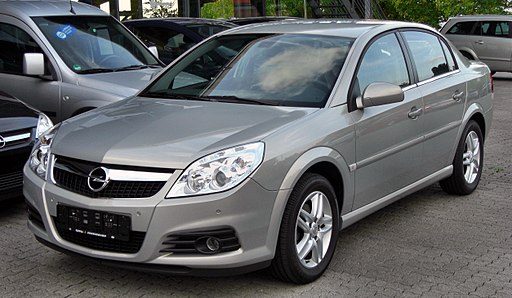
Opel Vectra faults
Owners and mechanics of the Opel Vectra—especially models such as the Vectra B and Vectra C—often report a series of recurring faults. Many of these faults are indicated by diagnostic trouble codes (DTCs) retrieved during OBD (On-Board Diagnostics) scans. These codes are invaluable for pinpointing problems ranging from sensor malfunctions to issues with engine management systems. While fault codes provide just one piece of the puzzle, understanding the details behind them can greatly improve troubleshooting and repair processes.
1. P0100 – Mass or Volume Air Flow Circuit Malfunction
Details: The P0100 code typically points to an issue with the mass airflow (MAF) sensor, which is responsible for measuring the amount of air entering the engine. Faults here could be due to sensor contamination, faulty wiring, or even a malfunctioning engine control unit (ECU). Symptoms:
- Poor engine performance
- Reduced fuel economy
- Hesitation or stumbling during acceleration Troubleshooting: Inspect the sensor with a dedicated MAF tester, clean the sensor element if contamination is suspected, and check the circuitry for loose or corroded connections.
2. P0400 – Exhaust Gas Recirculation (EGR) Flow Malfunction
Details: This fault code indicates that the exhaust gas recirculation system is not operating within expected parameters. The EGR system recycles a portion of the exhaust gases back into the engine to reduce combustion temperatures and NOx emissions. Blockages, faulty EGR valves, or issues with the vacuum lines might trigger this error. Symptoms:
- Rough idling
- Increased emissions
- Engine hesitation during acceleration Troubleshooting: Examine the EGR valve for carbon buildup, assess the vacuum lines for cracks or disconnections, and test the solenoid operation to ensure proper opening and closing.
3. P0170 – Fuel Trim Malfunction (Bank 1)
Details: The P0170 code flags an imbalance in the fuel-to-air ratio for Bank 1 of the engine. This imbalance often results from a sensor giving inaccurate readings or a fuel delivery system not meeting its expected flow. It could also be a sign of air leaks or issues with the intake manifold. Symptoms:
- Check engine light illumination
- Rough idling or stalling
- Decreased engine efficiency Troubleshooting: Begin by checking for vacuum leaks and inspect the intake manifold gasket. Additionally, verify that the oxygen sensor is functioning properly and that the fuel injectors are delivering fuel in the correct amounts.
4. P0340 – Camshaft Position Sensor Circuit Malfunction
Details: Fault code P0340 relates to the camshaft position sensor, a critical component that helps the engine control unit synchronize fuel injection and ignition timing. A malfunction here can lead to timing issues, affecting the overall performance of the engine. Symptoms:
- Poor engine timing
- Reduced power output
- Starting difficulties Troubleshooting: Inspect the sensor and wiring for damage or signs of wear. Often cleaning the sensor or replacing it if found defective can resolve the issue.
5. P0011 – Intake Camshaft Position Timing – Over-Advanced (Bank 1)
Details: The P0011 code suggests that the intake camshaft timing is over-advanced relative to the manufacturer’s specifications. This fault can be triggered by issues with the variable valve timing mechanism or a faulty sensor feedback loop. Symptoms:
- Engine misfires or rough running
- Decreased responsiveness
- Check engine light activation Troubleshooting: Verify the proper function of the solenoids governing valve timing, and inspect both the camshaft and related sensors for irregularities.
6. Other Notable Fault Codes
Many Opel Vectra owners also report additional codes affecting various systems:
- P0170 (Fuel Trim Bank 1): Often seen alongside related codes, requiring a holistic inspection of the intake system and fuel delivery.
- P0365 – Camshaft Position Sensor B Circuit (Bank 2): Indicates issues on the opposite bank of the engine, necessitating similar steps as with P0340.
- P0380 – Glow Plug/Heater Circuit Malfunction: Particularly in diesel variants, a failure in the glow plug circuit can cause cold start issues.
- P0505 – Idle Control System Malfunction: Problems with the idle air control circuit can cause inconsistent engine idling and stalling.
- P0135 – O2 Sensor Heater Circuit Malfunction (Bank 1 Sensor 1): Faults in this circuit affect the efficiency of the oxygen sensor, impacting emissions and engine performance.
Each of these codes involves delicate interplay between sensor readings, wiring integrity, and engine management controls. It is crucial to carry out comprehensive diagnostic tests that involve both visual inspections and computerized checks to determine the exact cause.
Final Thoughts
The Opel Vectra’s diagnostic fault codes serve as signposts that help identify issues early, preventing more severe damage and costly repairs. While many of these faults share similar symptoms such as reduced engine performance, rough idling, or diminished fuel efficiency, a systematic diagnostic approach is necessary. Utilizing both manual inspections and professional diagnostic tools often leads to quicker, more precise repairs.
Opel Vectra as a used car
The Opel Vectra has earned its place in automotive history as a practical, versatile mid-sized vehicle. Sold in various body styles—including sedans, station wagons, and hatchbacks—the Vectra blends European design sensibilities with robust engineering. For those interested in a used car purchase, the Vectra offers a combination of comfort, technical innovation, and performance. In addition, its diverse range of engine options and trims provides choices that suit different driving needs and maintenance budgets.
When evaluating a used Opel Vectra, buyers should consider its production years (ranging roughly from 1988 to 2008) and the modifications introduced in successive generations. Each generation—from the earliest Vectra A to the facelifted Vectra C—brought changes to technical parameters like engine capacity, chassis structure, and electronic systems, making it important to verify which version best aligns with your expectations and real-world usage.
Technical Parameters and Specifications
Engine and Powertrain
The Opel Vectra is notable for its wide engine portfolio, which has evolved with each generation:
- Vectra A (1988–1995): Ranging from 1.4 to 2.5 liters, these engines were available in several configurations, including four- and six-cylinder options. Power outputs ranged from approximately 57 to 150 horsepower, making it an adaptable choice for both city driving and highway cruising.
- Vectra B (1995–2002): With gasoline engines offering displacements between 1.6 and 2.6 liters, power outputs increased to roughly 75–195 horsepower. Diesel options, common in this range, offered capacities around 1.7 liters with outputs near 60 horsepower up to around 2.2 liters with approximately 92 horsepower. This balance between performance and economy appealed strongly to the value-oriented driver.
- Vectra C (2002–2008): The third generation provided more powerful and refined options. Gasoline engines ranged from 1.6 to 3.2 liters, with power outputs approximately between 74 and 206 horsepower. Diesel variants provided an effective balance of fuel economy and torque for long-distance cruising.
In addition to engine displacement and power figures, the Vectra benefited from variable valve timing in some models and modern fuel injection systems, both of which contributed to improved combustion efficiency and reduced emissions.
Transmission Options
The Vectra was typically offered with both manual and automatic transmission options. Manual gearboxes are often favored in the used market for their durability and lower maintenance costs, while automatic transmissions were designed with a smoother drive in mind—though they sometimes come with higher repair expenses if not properly maintained. Regardless of the choice, checking the service history is crucial, as it reflects how well the transmission system has been managed over the vehicle’s lifetime.
Chassis and Suspension Systems
Opel engineered the Vectra with a chassis that emphasized a stable, balanced ride. Suspension tuning varied between body styles; sedans are known for a softer ride aimed at comfort, while the estate and hatchback variants were designed to handle a slightly more dynamic driving experience:
- Front Suspension: Typically featured MacPherson strut designs that allowed for precise steering feedback as well as ease of replacement in the used car market.
- Rear Suspension: Often comprised of multi-link arrangements that maintained ride quality even on rougher roads.
Maintaining these components is critical in a used car purchase, as worn suspension parts can significantly affect handling and ride comfort. Service records detailing suspension and steering system maintenance can add considerable value to a used Vectra.
Dimensions, Performance, and Efficiency
Exterior Dimensions
Opel Vectra models were produced in a range of sizes. Dimensions vary according to the body style and generation, but typical parameters include:
- Length: Approximately between 4350 mm and 4820 mm
- Width: Roughly 1700 mm to 1800 mm
- Height: Typically around 1400 mm to 1500 mm
These varied dimensions influence interior space, cargo capacity, and overall driving dynamics. The station wagon versions, for instance, offer increased storage areas which are especially beneficial for families or those who require more cargo volume.
Fuel Economy and Consumption
One of the major selling points of many Vectra variants, particularly the diesel models, was their efficiency. Fuel consumption for some of the more efficient models could be as low as 5.7 liters per 100 km (or roughly 41 mpg), making long journeys more affordable. However, actual fuel economy in a used Vectra can vary based on engine type, driving habits, and maintenance history.
Electrical System and Battery Specifications
Another technical area to consider is the vehicle’s electrical system. The Opel Vectra typically employed lead-acid batteries characterized by capacities ranging from 55–70 Ah for gasoline models and 70–80 Ah for diesel variants. Regular checks on battery performance and the associated charging system can help prevent unexpected failures, particularly in older, used vehicles where these components might be near the end of their service life.
Interior Comfort, Safety, and Technology
Cabin Dimensions and Ergonomics
Inside the Vectra, the cabin is designed to maximize both driver and passenger comfort. Ergonomic seating, logical dashboard layouts, and relatively spacious legroom contribute to a pleasant driving experience. Even as a used car, the interior quality in the Vectra keeps pace with many contemporary rivals, providing supportive seating and an intuitive control configuration.
Safety Features
Throughout its evolution, the Opel Vectra was equipped with standard European safety features. These include:
- Airbags: Typically front and side airbags, with later models integrating curtain airbags for enhanced side-impact protection.
- ABS and ESP: Anti-lock braking systems and electronic stability programs were standard in most modern iterations, contributing to improved safety in adverse driving conditions.
For a buyer considering a used Vectra, verifying that these safety systems have been maintained is essential, as malfunctioning sensors or outdated components can compromise the overall safety of the vehicle.
In-Car Technology
Later models, especially from the Vectra C generation, began integrating more advanced technological solutions such as improved infotainment systems, climate controls, and driver-assistance features. While these may not be as current as those found in new automobiles, they still offer a good level of convenience and comfort compared to older vehicles.
Reliability, Known Issues, and Maintenance Considerations
Common Technical and Mechanical Concerns
Despite its many strengths, the Opel Vectra is not without its challenges. As a used car often coming with considerable mileage, certain issues tend to be more prevalent:
- Suspension and Steering Components: Wear and tear can lead to diminished ride quality or alignment issues, warranting a thorough inspection.
- Electronic Faults: Sensors and engine management components can become less reliable over time. Issues such as faulty MAF sensors or EGR valve blockages are not uncommon and require diagnostic attention.
- Transmissions: For models with automatic transmissions, checking for smooth gear changes and any history of fluid leaks is important.
Regular maintenance records and a comprehensive pre-purchase inspection can help mitigate these risks. Owners who have kept up with scheduled servicing tend to see fewer severe breakdowns, making the purchase of a well-documented vehicle less risky.
Service History and Parts Availability
The availability of replacement parts for the Opel Vectra is generally good, thanks to the vehicle’s popularity in the used market. Many components, from suspension elements to body panels, remain accessible through various aftermarket channels. A robust service history is a positive indicator when evaluating a used Vectra—one that suggests a comprehensive maintenance approach and fewer imminent repairs.
Final Thoughts on the Opel Vectra as a Used Vehicle
The Opel Vectra offers a compelling package for used car buyers who value a blend of performance, comfort, and technical sophistication. Its diverse engine options, varied dimensions, and balanced approach to ride quality make it a versatile choice. However, potential buyers should approach with care—scrutinizing service records and considering a thorough independent inspection are key to ensuring a reliable investment.
For those interested in further technical exploration, delving into detailed repair guides and user forums can provide additional insights into specific model year nuances. Discussion on preventative maintenance strategies and experiences with the vehicle in various driving conditions may also shed light on long-term ownership experiences.
