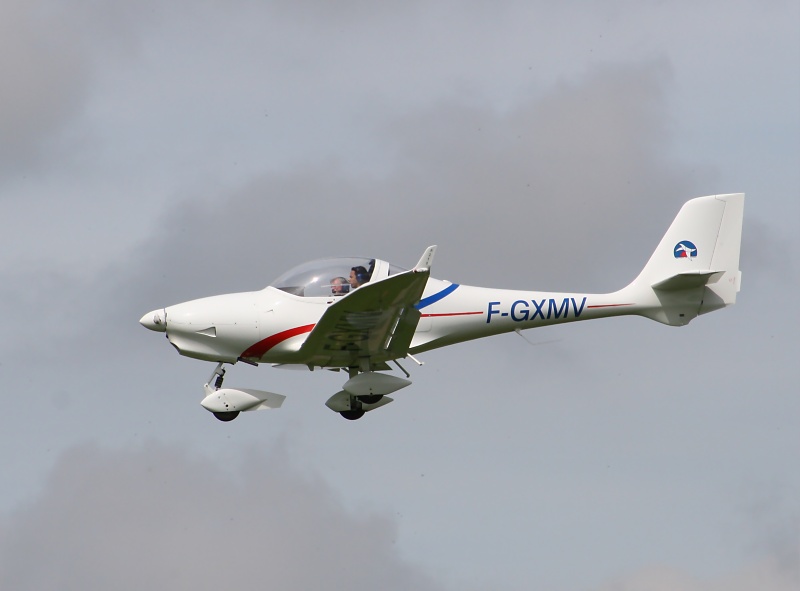
Aquila A 210
The Aquila A 210 is a German-built, two-seat light aircraft designed for sport flying, pilot training, and aerotowing. Unveiled in the early 2000s by Excellence AG (now Aquila Aviation), it combines a full composite airframe with modern aerodynamics to deliver impressive performance, low operating costs, and excellent handling characteristics. Its side-by-side seating configuration and generous cockpit transparency make it an ideal platform for flight schools and recreational pilots alike.
Design and Construction
Composite Airframe
Aquila’s engineers selected carbon-fiber and fiberglass composites to create a strong yet lightweight structure. High-load elements such as spars, frames, and longerons are crafted from carbon-fiber-reinforced plastic (CFRP), while the fuselage skins, control surfaces, and non-critical fairings use fiberglass-reinforced plastic (GFRP) with a polyurethane core. This sandwich construction maximizes strength, resists corrosion, and simplifies production through mold-based manufacturing.
Wing Structure and Control Surfaces
The A 210 features a low-wing design with a laminar-flow airfoil and a modest 4.5° dihedral angle for inherent roll stability. Outboard wing panels incorporate swept leading edges and raked wingtips to reduce induced drag. Control surfaces include mass-balanced ailerons and two-position, single-slotted Fowler flaps to enhance low-speed lift, shorten landing runs, and maintain precise control during approach phases.
Cockpit and Ergonomics
Instrumentation
A standard A 210 cockpit houses basic flight instruments—airspeed indicator, altimeter, vertical speed indicator, and engine RPM gauge—supplemented by space for a portable GPS. Electrical power is routed through a modular bus, allowing seamless integration of radios, transponders, and glass-cockpit EFIS units.
Cabin Comfort and Visibility
Side-by-side seating under a one-piece, forward-hinged canopy provides exceptional all-around visibility. The cabin width accommodates pilots wearing headsets and jackets without feeling cramped. Seats are continuously adjustable, enabling both students and instructors to maintain an optimal field of view.
Safety Features
Energy-absorbing seats and a robust rollover structure guard occupants during mishaps on the ground. Dual-circuit hydraulic brakes on the main gear bolster stopping power, while a steerable nosewheel improves ground maneuverability. Optional ballistic parachute kits can be factory-installed for added emergency protection.
Powerplant and Propulsion
Engine Details
Power comes from a single Rotax 912 S3 four-cylinder engine, delivering 73.5 kW (98.6 hp) at 5,800 RPM. The air-and-liquid-cooled design features dual ignition and full-pressure lubrication, ensuring consistent oil flow under steep climbs or prolonged ground operations.
Propeller and Drive
A two-blade, 1.66 m MT-Propeller MTV-21-A/175-05 with hydraulic variable pitch sits in the nose. Its fine-tune pitch control optimizes takeoff performance and cruise efficiency, while low rotational inertia keeps engine loads manageable during rapid throttle changes.
Performance Characteristics
Speed and Range
With a maximum cruise setting, the A 210 reaches up to 220 km/h, while economy cruise at 55 percent power still sustains 200 km/h. The service ceiling extends to 4,450 m, and the aircraft can fly over 1,100 km on a full 120 L fuel load, making it suitable for cross-country sorties.
Climb and Ceiling
At sea level, climb rates approach 4 m/s (750 ft/min), allowing quick transitions through traffic patterns or elevated terrain. Above 3,000 m, performance taper remains gradual, thanks to the engine’s efficient cooling and the wing’s laminar section.
Handling and Stability
A harmonic balance between wing dihedral, tailplane sizing, and control-surface gearing yields neutral yaw response and crisp roll behavior. Pilots praise the A 210’s forgiving stall characteristics: gentle buffet onset and straightforward recovery aided by the automatic winglets.
Technical Parameters
| Parameter | Value |
|---|---|
| Crew | 1 pilot + 1 passenger |
| Length | 7.30 m |
| Wingspan | 10.30 m (without winglets) |
| Height | 2.30 m |
| Wing area | 10.50 m² |
| Empty weight | 500 kg |
| Maximum takeoff weight (MTOW) | 750 kg |
| Fuel capacity | 120 L |
| Powerplant | Rotax 912 S3 (98.6 hp at 5,800 RPM) |
| Propeller | MT MTV-21-A/175-05, 1.66 m, 2-blade, variable pitch |
| Maximum speed | 305 km/h |
| Cruise speed | 200 – 220 km/h |
| Stall speed (clean) | 93 km/h |
| Stall speed (flaps down) | 80 km/h |
| Rate of climb | 4.0 m/s (750 ft/min) |
| Service ceiling | 4,450 m |
| Range (55 % power) | 1,150 km |
| Endurance | 6.05 h |
| Useful load | 250 kg |
| Maximum baggage weight | 40 kg |
Avionics and Equipment
Standard Avionics
- Analog flight and engine gauges
- Space for portable GPS or tablet-based nav
- COM radio interface
- Transponder provision
Optional Upgrades
- Integrated glass-cockpit EFIS (e.g., Garmin G3X suite)
- Digital engine monitoring systems
- Autopilot with altitude hold
- ADS-B In/Out traffic and weather module
- Ballistic recovery parachute system
Variants and Evolution
A 210
The baseline model certified under JAR-VLA for day VFR training and touring. Features conventional cockpit layout and standard Rotax 912 S3 engine.
A 211
Updated instrumentation panel with ergonomic refinements and minor aerodynamic tweaks such as reshaped fairings. Improved corrosion protection on metallic fittings.
A 211 GX
High-end version equipped with a fully integrated EFIS-based glass panel, autopilot connectivity, and pre-wired harnesses for external sensors, catering to advanced training centers and private owners seeking a turnkey avionics package.
Operational Roles
Flight Training
Flight schools value the A 210’s responsive controls, broad speed envelope, and low maintenance demands. Its side-by-side ergonomics streamline instructor-student interaction, while the robust composite structure tolerates frequent pattern work.
Sport and Touring
Private owners exploit the A 210’s high cruise speed and long range for day-trips across national borders. The generous fuel tank and efficient engine allow extended legs without refueling, and the glass canopy grants panoramic views ideal for sightseeing.
Maintenance and Support
Routine checks focus on wing root attachments, flap actuation pins, and composite skin integrity. Rotax service intervals dictate 300-hour inspections and a 2,000-hour overhaul for the engine. Aquila Aviation’s global dealer network supplies spare parts kits, technical bulletins, and field-approved repair solutions for composite repair.
Conclusion
The Aquila A 210 stands out in the light-aircraft category by marrying advanced composite technology with thoughtful aerodynamics and a reliable powerplant. Its flexibility across training, touring, and towing missions, combined with low lifecycle costs, makes it a compelling choice for flight schools and private pilots seeking a modern, high-performance two-seat airplane.
