PZL-130 Orlik: The Polish Trainer That Earned Its Wings
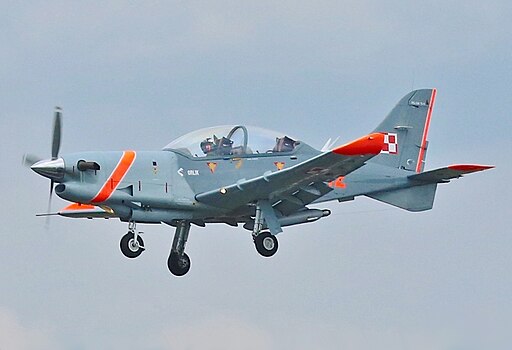
The PZL-130 Orlik stands out as a modern, versatile turboprop trainer aircraft developed by Poland’s PZL Warszawa-Okęcie. With a design philosophy emphasizing cost-effective pilot training, modular avionics, and reliable performance, the Orlik has carved a niche both at home and abroad. This article dives deep into its technical parameters, airframe philosophy, systems, performance envelope, operational history, and future outlook.
Historical Context
Genesis of the Project
In the late 1980s, Poland’s need for a next-generation trainer to replace ageing Soviet types spurred a design effort at PZL-Okęcie. The aim was clear: build a single-engine turboprop capable of basic through advanced pilot training, including aerobatics and light weapons work. By blending Western engines and avionics with local manufacturing, the Orlik program harnessed domestic skills while meeting NATO interoperability standards.
Collaboration and Production
Initial prototypes flew in 1984, powered by a Pratt & Whitney PT6A-25, showcasing excellent handling and performance. As Poland pivoted toward NATO, additional avionics packages and structural tweaks were incorporated. Full-scale production began in the late 1990s, with over 50 airframes delivered to the Polish Air Force and multiple export customers. Ongoing maintenance and upgrade contracts have kept the fleet relevant well into the 2020s.
Airframe and Structural Design
Fuselage and Wings
The Orlik’s semi-monocoque fuselage employs riveted aluminum alloys for a balance of strength and weight savings. Its low-wing configuration offers unobstructed visibility during formation flying and aerobatics. Wing tips feature winglets to reduce induced drag, supporting tighter turn radii and lower stall speeds.
Materials and Manufacturing Techniques
Advanced CNC-machined components and precision riveting ensure tight tolerances, reducing fatigue hotspots. High-grade aluminum-lithium alloys in critical areas boost corrosion resistance, crucial for operations in maritime climates. Composite fairings and control surface skins further trim weight while simplifying repairs.
Propulsion System
Engine Model
At its heart lies the Pratt & Whitney Canada PT6A-25C turboprop, rated at 550 shp. Renowned for reliability, the PT6A offers smooth power delivery, easy maintenance access, and a dual-channel FADEC option for precise engine management.
Performance Envelope
Cruise speed sits around 300 kt (556 km/h) at 20,000 ft, with a service ceiling of 25,000 ft. Full-power climb rate exceeds 2,000 ft/min, enabling rapid ascent for aerobatic work. Fuel consumption averages 90 gal/hr on a long-range profile, with a ferry range of roughly 1,100 nm thanks to its 420-gal internal capacity and optional external tanks.
Avionics and Systems
Glass Cockpit
Later Orlik variants sport a modular glass cockpit: dual 7-inch multi-function displays paired with an integrated mission computer. Synthetic vision, moving-map navigation, and digital engine indicators reduce pilot workload and mirror frontline fighter layouts.
Navigation and Communication
Standard fit includes dual VHF COM, GPS/WAAS navigation, and an ILS-capable autopilot. Military radios and friend-or-foe transponders integrate seamlessly for advanced formation sorties and multiship training exercises.
Training Aids
An optional onboard simulator mode allows instructors to introduce instrument failures, nav-aids outages, or emergency procedures mid-flight. Data-link recording captures all parameters for detailed debriefs, accelerating student progression.
Flight Performance and Handling
Aerobatic Capability
The Orlik endures up to +7 G and −3.5 G, making it fully capable of loops, rolls, and hammerheads. Balanced control surfaces yield crisp response, and wide-cord ailerons prevent tip stalling during high-alpha maneuvers.
Takeoff and Landing Characteristics
A low stall speed of 65 kt and robust landing gear support operations from unprepared runways. Full flaps deployment drops landing distance under 2,500 ft, while a reverse-pitch propeller option helps in short-field rollouts.
Operational Roles and Training Use
Basic Flight Training
In its primary role, the Orlik builds fundamental stick-and-rudder skills. Tandem seating offers excellent forward visibility, and simple systems management readies students for more complex platforms.
Aerobatics and Weapons Training
Integrating a wing hardpoint kit transforms the Orlik into a light weapons trainer. Pylons can carry practice bombs, rocket pods, or gun pods, creating a cost-effective bridging aircraft before jet conversion.
Variants and Upgrades
Orlik Basic
The original configuration focused on reliability and ease of maintenance. Analog gauges paired with basic nav-comms suited air forces transitioning from piston trainers.
Orlik Turbo and Modernization Efforts
Subsequent “Turbo” models added FADEC-controlled PT6A-25C engines, full glass cockpits, and digital mission computers. Air forces have since modernized avionics suites with helmet-mounted displays and encrypted datalinks.
Service Record and Operators
Polish Air Force
The Polish Air Force operates over 30 Orliks from the 41st Training Wing. Regular exercises with NATO partners demonstrate the platform’s integration and mission flexibility.
Export and Demonstration Flights
While sales have been modest, demo tours to Asia, Africa, and Latin America highlight the Orlik’s low operating cost—around $1,000 per flight hour—making it attractive for nations replacing piston trainers.
Technical Specifications
Dimensions and Weight
- Length: 9.5 m
- Wingspan: 10.0 m
- Height: 3.4 m
- Empty Weight: 1,700 kg
- Max Takeoff Weight: 2,680 kg
Performance Metrics
- Max Cruise Speed: 556 km/h
- Stall Speed (clean): 110 km/h
- Service Ceiling: 7,620 m
- Rate of Climb: 610 m/min
- Range (ferry): 2,040 km
Armament Options
- Two underwing hardpoints
- Up to 500 kg of practice ordnance or light weapon stores
Maintenance and Support
Logistics and Spare Parts
An extensive global logistics network for the PT6 engine ensures spare availability. PZL-Okęcie offers full lifecycle support from airframe inspections to avionics upgrades.
Maintenance Cycle
A typical A-check occurs every 50 flight hours, with engine hot-section inspections at 1,000 hours. Airframe life spans 12,000 hours or 30 years, whichever comes first.
Future Prospects
Potential Upgrades
Proposals include hybrid-electric taxi systems, helmet-integrated augmented reality, and expanded weapons kits for light attack roles. Enhanced composite wings could slash weight by 10 percent.
International Market Potential
As air forces seek cost-effective trainers amid tight budgets, the Orlik’s price-to-performance ratio remains compelling. Joint training programs and offset deals could drive new orders in the coming decade.
Conclusion
From its 1980s roots to its modernized cockpit and export demonstrations, the PZL-130 Orlik exemplifies a trainer designed for adaptability, reliability, and affordability. Its robust performance, versatile mission sets, and upgrade path keep it relevant in an evolving training landscape. Whether molding basic flight cadets or simulating light attack missions, the Orlik continues elevating pilot skills—one sortie at a time.
.jpg)