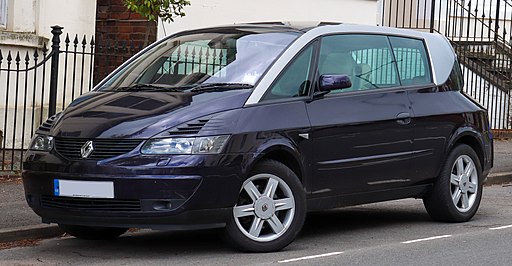
Renault Avantime faults
Engine and Powertrain
Ignition Coil Failure
Late-model Avantimes frequently suffer misfires, stuttering or juddering due to failing ignition coils. Drivers report rough running and a flickering engine-warning light. Replacing individual coil packs corrects the issue.
V6 Cambelt and Tensioner Wear
The 3.0-litre V6’s cambelt and hydraulic tensioner demand replacement at around 100 000 km. A seized tensioner risks belt jump and catastrophic valve or piston damage, making timely cambelt service essential.
Turbocharger and Cooling Problems on 2.0T
Turbocharged petrol variants can develop oil-feed blockages or worn bearings. Early warnings include sluggish boost response, high-pitched whine and occasional blue smoke. Cooling-system weak points—faulty radiators or thermostats—can compound heat stress, leading to overheating.
Poor Idling from Breather-Pipe Blockage
A blocked crankcase breather pipe chokes the idle, causing low-speed hunting and oil leaks around the valve cover. Cleaning or replacing the breather assembly restores stable idle and prevents oil seepage.
Transmission and Drivetrain
Automatic Gearbox Engagement Issues
Automatic Avantimes often hesitate into reverse or slip between ratios. Worn internal valve bodies and solenoids trigger harsh shifts. A remanufactured gearbox or valve-body overhaul usually cures the problem.
Weak Gearbox and Engine Mounts
Deteriorated rubber mounts under the gearbox and engine allow excessive drivetrain movement. Symptoms include shuddering under acceleration, vibration through the floor and accelerated wear on adjacent components. Replacing mounts eliminates these vibrations.
Electrical and Electronics
Central Electronics Module Failures
Aging capacitors in the power-distribution module can crack, leading to random warning lights, central-locking loss or no-start conditions. A module reflash or complete module replacement is required to restore full electrical function.
ABS and Wheel-Speed Sensor Faults
Corroded ABS sensors and wiring in the wheel hubs cause intermittent ABS-warning lights and deactivated anti-lock functionality. Sensor replacements and loom protection are common remedies.
Accelerator Pedal Sensor/Injection-ECU Glitch
An intermittent link between the pedal-position sensor and injection-control unit triggers hesitation, SERV-light illumination and reduced throttle response. Some early-year Avantimes were recalled; updating the wiring harness or ECU cure this acceleration fault.
Body and Water Ingress
Leaking Sunroof and Clogged Drains
The Avantime’s “grand air” roof design relies on drains that often clog with debris. Owners report water pooling in footwells, damp carpets and mold. Clearing the drain channels and renewing roof-seal gaskets prevents further leaks.
Door Latch and Actuator Failures
Heavy frameless doors hinge on electronic actuators that age, causing doors to stick, sag or refuse to lock. Replacement latches and actuators restore smooth door operation and reliable central locking.
Under-Dash Water Damage
Poor drainage behind the A-pillar allows rainwater into the fuse box and body-control module area. Symptoms include blown fuses after heavy rain and sporadic electrical gremlins. Rerouting drains and sealing the bulkhead joint protect the electronics.
Suspension, Steering and Brakes
Suspension Bushing and Link Wear
After 100 000 km, anti-roll bar links and lower-arm bushings harden and crack, producing clunks over bumps and uneven tyre wear. Installing upgraded polyurethane bushes and new links eliminates noise and restores precise handling.
Power-Steering Fluid Leaks
Cracked high-pressure hoses or pump seal failures cause whining under lock and loss of assist. Low fluid accelerates rack wear, so replacing hoses, seals and topping up the reservoir is essential.
Brake-Pad Sensor and ABS Tone-Ring Damage
Corrosion on tone rings and pad-wear sensors in the hub assemblies can sever signals, triggering brake-warning lights. Sensor replacements and anti-corrosion treatments on rings restore full braking system function.
Interior and Trim
Faulty Storage-Lid Hinges
Centre-console and overhead storage-box lids often develop broken hinges or worn dampers, causing them to flop open. Replacement hinges and dampers from specialist suppliers easily restore secure closure.
Glovebox and Switch-Module Rattles
Plastic trim shrinkage leads to rattling glovebox lids and switch-cluster bezels. Foam-pad inserts or new trim clips eliminate buzzes and restore a refined cabin ambience.
Renault Avantime as a used car
The Renault Avantime broke the mould when it debuted in 2001, blending coupe-like styling with MPV practicality. Its frameless doors, panoramic “grand air” roof and four-seat layout gave it a unique presence on the road. Today, Avantime ownership offers exclusivity and a conversation piece, but prospective buyers must balance its striking design against known mechanical, electrical and bodywork quirks.
Avantime Concept and Production
Single Body Generation
Renault produced the Avantime only between 2001 and 2003 on a shortened Espace platform. Just under 9 000 examples rolled off the line, making it a rare sight today. Despite critical praise for its bold design, its unconventional packaging limited mass appeal and kept used-market values relatively strong.
Key Design Features
Frameless front and rear doors pivot on sturdy hinges, requiring precise alignment and periodic lubrication. The fixed B-pillar houses seatbelt mounts and structural elements, while the oversized glass roof panels demand unobstructed drainage to prevent leaks. Buyers should look for solid welds at lower door frames and intact roof-drain hoses.
Engine and Transmission Options
2.0-Litre 16-Valve Four-Cylinder
– Displacement: 1 998 cm³ – Power: 139 PS @ 5 750 rpm – Torque: 190 Nm @ 3 750 rpm – Transmission: 5-speed manual or optional 4-speed automatic
This engine delivers smooth mid-range pull but feels under-powered in a nearly 1 600 kg body. Its cam-belt interval is 120 000 km or five years, and the hydraulic tensioner must be replaced concurrently to avoid belt slip and valve damage.
3.0-Litre V6 PRV
– Displacement: 2 979 cm³ – Power: 207 PS @ 6 000 rpm – Torque: 275 Nm @ 3 750 rpm – Transmission: 5-speed manual or 6-speed Jatco automatic
The V6 injects satisfying thrust and an evocative exhaust note but drinks over 12 L/100 km in mixed driving. Its dual overhead-cam head and longer cambelt drive require meticulous service to prevent tensioner failure and subsequent engine overhaul.
Chassis, Suspension and Brakes
The Avantime uses MacPherson struts up front and a multi-link rear setup tuned for grand-tour comfort. Anti-roll bars front and rear balance body control, though heavy curb weight introduces noticeable understeer at the limit. Braking relies on ventilated front discs and solid rear discs with four-channel ABS; corrosion on caliper pistons and sensor connectors is common on high-mile examples.
Dimensions and Capacities
| Parameter | Specification |
|---|---|
| Length | 4 279 mm |
| Width (without mirrors) | 1 834 mm |
| Height | 1 602 mm |
| Wheelbase | 2 782 mm |
| Kerb Weight | 1 580–1 630 kg |
| Boot Volume (seats up) | 480 L |
| Fuel Tank Capacity | 70 L |
| Turning Circle | 11.8 m |
These compact dimensions help in urban environments, though long-distance visibility can be challenged by thick C-pillars. The low-loading boot floor and fold-flat rear seats enhance weekend-away practicality for two couples.
Interior Design and Practicality
Seating and Comfort
Avantime seats combine supportive bolstering with integrated headrests and optional leather upholstery. Rear chairs benefit from independent slide and recline functions, creating a genuine four-seat experience rather than a typical 2+3 layout. Cabin storage includes twin gloveboxes, deep door bins and an overhead parcel shelf.
Storage and Cargo Space
The main boot aperture opens high to accommodate bulky items, while under-floor trays keep tools and valuables hidden. Folding rear seats expand load space to nearly 1 300 L, though the fixed central tunnel slightly narrows the load bay. Frameless doors mean high sill lips, so lifting aids and protective mats can limit scuffing.
Driving Characteristics
Performance and Handling
The four-cylinder feels adequate in town but struggles on steep grades when fully loaded. The V6 dispenses ample torque for confident overtakes, with the auto ’box offering smooth up- and down-shifts. Steering feedback is moderate, tuned for town-car ease rather than razor-sharp response.
Refinement and Noise Levels
Acoustic insulation around the sills and wind-shields damps most wind noise below 120 km/h. The V6’s bark becomes prominent under acceleration, adding character but also fatigue on lengthy trips. Road noise from large alloy wheels can intrude over coarse surfaces, so check tyre condition and consider sound-deadening upgrades.
Used-Car Purchase Considerations
Common Mechanical Faults
– Ignition coil pack failures on both engines trigger misfires and CEL warnings; individual coils cost around €80 each.
– Cambelt tensioner seizure on long-undervalued service intervals risks catastrophic engine damage; ensure fresh belt, tensioner and water pump.
– Automatic-gearbox solenoid wear in V6 auto versions causes harsh shifts or limp-home mode unless remanufactured valve bodies are fitted.
Body and Cabin Issues
– Sunroof drains clog easily, leading to water ingress in footwells and BSI electronics; clear drains and inspect carpet rot.
– Frameless door seals perish with age, causing wind whistle and water drip; replacements or seal rebuild kits restore weatherproofing.
– Underbody corrosion on sill seams and rear subframe mounts can undermine structural integrity; pay for professional underseal treatment if needed.
Electrical and Electronics
– Central-electronics (BSI) module capacitors degrade, leading to random warning lights, dead key-fobs or starter cut-outs; a refurbished BSI cures many faults.
– Window regulator cables fray on larger front windows, jamming glass; aftermarket regulator assemblies or donor parts solve the issue.
– Air-conditioning leaks from aged hoses and evaporator cores reduce cooling capacity; a full system pressure test reveals any hidden leaks.
Maintenance and Service History
A comprehensive file should show cambelt service at five-year intervals, recent brake-fluid flush, transmission oil changes and any suspension-bushing replacements. Genuine Renault parts maintain value but independent specialists often provide better pricing for routine items.
Pricing and Value Retention
Early two-litre manual models in fair condition trade around €6 000–€8 000, while low-mileage V6 auto variants command €9 000–€12 000. Immaculate examples with full service history and recent major services can exceed €13 000, reflecting the Avantime’s niche status and rising classic-car appeal.
Buying Tips and Inspection Checklist
– Confirm cambelt, tensioner and water-pump service dates; avoid cars overdue for this critical work.
– Test automatic shifts across the full range, listening for clutch pack chatter or delayed engagement.
– Pressurize sunroof drains with water to ensure free flow; check footwell carpets for damp patches.
– Open and close frameless doors from multiple angles to confirm hinge integrity and seal compression.
– Use a diagnostic scanner to read BSI and ABS module fault codes before making an offer.
Conclusion
Owning a Renault Avantime is as much about lifestyle as transportation. Its avant-garde design and rarity ensure head-turning wherever it goes, yet buyers must be diligent about mechanical, electrical and bodywork checks. When well-maintained, an Avantime delivers a distinct blend of coupe-style flair and MPV utility that remains unmatched in the modern used-car market.
