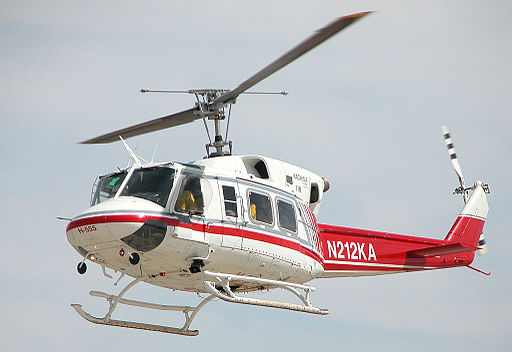
Bell 212
Bell 212: A Comprehensive Overview
The Bell 212, a medium-sized, twin-engine, utility helicopter, has earned a reputation for its versatility, reliability, and performance in various environments. Developed by Bell Helicopter in the early 1970s, the Bell 212 was designed to fill the gap between smaller utility helicopters and larger, more powerful machines. With its robust engineering, the Bell 212 has been a reliable workhorse in military, commercial, and civilian applications worldwide.
Introduction to the Bell 212
The Bell 212, often referred to as the “Twin Two-Twelve,” is a twin-engine, multi-role helicopter with a maximum capacity of 15 passengers. It is part of the Bell 205 family, which includes the widely used Bell UH-1 Huey. Although it shares many similarities with the Huey, the Bell 212 was specifically developed to improve performance and safety by incorporating a twin-engine system.
The Bell 212 features a fully articulated rotor system, designed for exceptional maneuverability and stability, even under challenging conditions. It combines power, versatility, and high endurance, making it an ideal choice for various missions, including search and rescue (SAR), offshore oil rig support, firefighting, and cargo transport.
Technical Specifications
The Bell 212 boasts several impressive technical parameters that contribute to its operational success. These include:
1. Dimensions and Capacity
- Length (with rotor blades turning): 16.36 meters (53.6 feet)
- Length (fuselage): 12.75 meters (41.9 feet)
- Width (fuselage): 2.52 meters (8.3 feet)
- Height (main rotor to ground): 4.74 meters (15.5 feet)
- Main Rotor Diameter: 14.63 meters (48 feet)
- Tail Rotor Diameter: 3.05 meters (10 feet)
The Bell 212 can carry up to 15 passengers, depending on the configuration, or a combination of passengers and cargo. It is also capable of carrying a useful load of up to 2,500 kg (5,500 lbs), making it suitable for both light and heavy lifting tasks.
2. Engines
The Bell 212 is powered by two Lycoming T53-L-13B turboshaft engines. These engines provide significant thrust and reliability, contributing to the helicopter’s impressive lifting capacity and endurance. Here are the key engine parameters:
- Engine Type: Lycoming T53-L-13B turboshaft engine
- Power Output: 1,100 shaft horsepower (shp) per engine
- Total Power (dual engines): 2,200 shp
- Transmission: The power from the engines is transmitted to the main and tail rotors via a two-stage planetary gearbox.
The twin-engine configuration enhances the helicopter’s safety, offering better redundancy in case of an engine failure. This is a critical feature, especially in demanding operations like search and rescue, offshore oil and gas platform support, and military missions.
3. Performance Parameters
The Bell 212 has outstanding performance capabilities, thanks to its powerful engines, advanced rotor system, and aerodynamic design. Here are the key performance parameters:
- Maximum Speed: 222 km/h (138 mph)
- Cruise Speed: 185 km/h (115 mph)
- Service Ceiling: 5,670 meters (18,600 feet)
- Range: 580 km (360 miles)
- Rate of Climb: 8.3 meters per second (1,640 feet per minute)
- Maximum Takeoff Weight (MTOW): 5,500 kg (12,125 lbs)
- Hover Ceiling (in ground effect): 3,960 meters (13,000 feet)
The Bell 212’s performance in high altitudes and at sea level is exceptional. Its ability to maintain a high rate of climb and speed makes it an excellent choice for time-sensitive missions, while its long range provides operational flexibility for both short and extended flights.
4. Rotor System
The Bell 212 features a fully articulated, four-blade main rotor system and a two-blade tail rotor. This configuration ensures stability and smooth handling across various flight conditions. The rotor system is designed to withstand significant stress, providing enhanced safety and durability during both routine operations and emergency situations.
- Main Rotor Type: Four-blade, fully articulated
- Tail Rotor Type: Two-blade, semi-rigid
- Blade Length (Main Rotor): 7.31 meters (24 feet)
The main rotor system’s design contributes significantly to the helicopter’s ability to perform precise maneuvers, making it suitable for a variety of demanding operations, including search and rescue, lifting heavy cargo, and performing high-performance military missions.
Design and Features
The Bell 212 was designed with an emphasis on versatility, durability, and ease of maintenance. The design features that make the Bell 212 stand out include:
1. Airframe and Fuselage
The Bell 212 is built with a rugged airframe that allows it to endure the harsh conditions typically encountered during search and rescue operations, firefighting, and military missions. The fuselage is constructed from lightweight but durable materials, including corrosion-resistant aluminum alloys, which contribute to its long operational life and resistance to the elements.
The cabin is spacious, with a flat floor design, which makes it easier to load and unload cargo or passengers. Additionally, the large sliding doors allow for quick access during emergency situations, while external cargo hooks and internal cargo holds enhance the helicopter’s ability to carry a variety of loads.
2. Avionics and Instrumentation
The Bell 212 is equipped with modern avionics and instrumentation systems, which ensure safety, ease of operation, and situational awareness. Some of the key avionics include:
- Flight Management System (FMS): For route planning, navigation, and communication.
- Autopilot System: Provides stability during extended flights and assists in precise positioning during challenging missions.
- Radar and Weather Systems: For monitoring weather conditions, enhancing visibility, and improving mission success rates.
- Navigation Instruments: Includes GPS, VOR (Very High Frequency Omnidirectional Range), and DME (Distance Measuring Equipment).
These avionics systems are essential for the efficient operation of the Bell 212 in various roles, from military to civilian applications.
3. Safety Features
Safety is paramount in helicopter operations, and the Bell 212 includes several features designed to enhance crew and passenger safety:
- Dual-engine configuration for added safety and redundancy in the event of an engine failure.
- Crashworthy fuel system that reduces the risk of fire during an accident.
- Advanced rotor design to ensure stability and prevent mast-bumping under extreme conditions.
- Floatation devices for offshore operations, which provide buoyancy in case of a water landing.
The combination of these safety features makes the Bell 212 a trusted platform for high-risk and life-critical operations.
Applications of the Bell 212
The Bell 212 has proven to be incredibly versatile, finding applications in various sectors worldwide. Some of the primary roles include:
1. Military and Defense
The Bell 212 has been widely used by military forces for troop transport, logistical support, and combat operations. Its twin-engine design makes it ideal for operating in hostile environments, providing increased safety for soldiers during missions. The helicopter’s ability to carry troops, equipment, and supplies makes it indispensable for various military operations.
2. Search and Rescue (SAR)
One of the key applications of the Bell 212 is search and rescue missions. The helicopter’s ability to carry specialized equipment and personnel, combined with its large cabin for accommodating rescue teams, makes it highly effective for SAR operations in remote areas, such as mountains, forests, or offshore locations.
3. Offshore Oil and Gas Support
The Bell 212 is also frequently used in the offshore oil and gas industry to transport workers and equipment to and from oil platforms. Its long range, large payload capacity, and ability to perform in adverse weather conditions make it an ideal choice for these operations.
4. Firefighting
The Bell 212’s ability to carry large amounts of water and firefighting equipment makes it a valuable asset in combating wildfires. The helicopter’s versatility allows it to be fitted with water tanks, making it an essential tool for aerial firefighting.
5. Civilian and Commercial Operations
The Bell 212 is often used in commercial transport services, providing passenger transport, cargo lifting, and aerial surveying. Its large cabin, combined with its power and endurance, makes it suitable for many commercial applications.
Conclusion
The Bell 212 is a versatile, reliable, and robust helicopter that has proven its value across multiple sectors, from military to civilian operations. Its powerful twin-engine system, high payload capacity, and advanced avionics make it an ideal choice for a variety of demanding roles. With over four decades of operational success, the Bell 212 continues to be one of the most trusted helicopters in its class, earning a reputation for safety, performance, and dependability in the most challenging environments.
